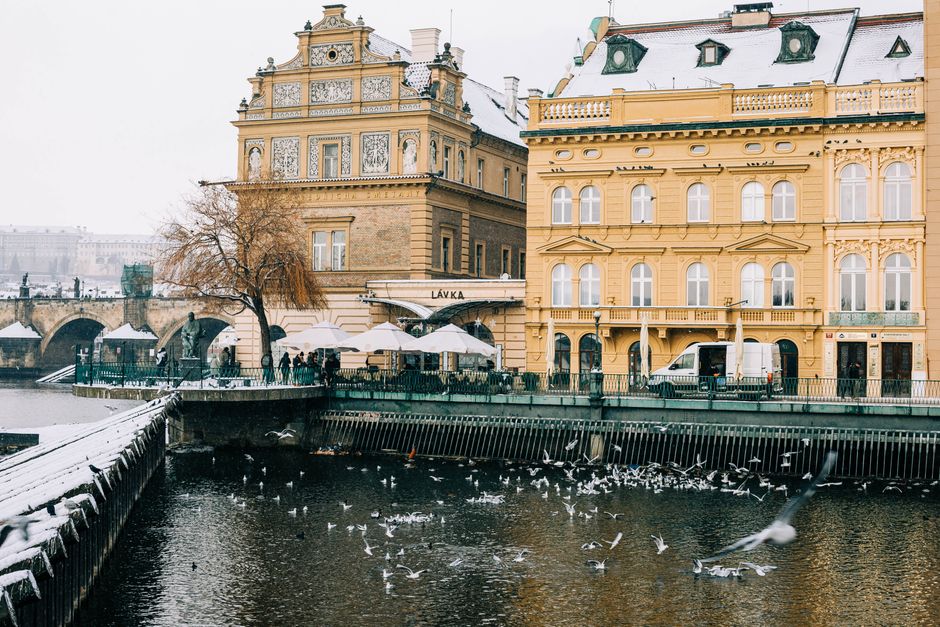
You arrive in Prague on a Friday at 4:30 p.m. The Christmas tree has gone from Old Town Square. The light installations are packed away. A cold wind moves through the narrow streets, and the city looks less festive than the photos promised.
That is the point of this trip. Prague after the Christmas rush is quieter, cheaper, and easier to read. You can cross Charles Bridge without joining a slow-moving crowd. You can step into a pub and hear the room instead of a tour group. The trade is simple: short daylight, slippery cobblestones, and fewer seasonal events.
When Prague’s Christmas lights are gone
The quiet window after January 6
For the calmest winter weekend, choose the period after the main Christmas markets close. From January 7 onward, the city centre feels noticeably less staged. Shop windows remain bright, historic buildings still look dramatic after dark, but the market lanes and large crowds have disappeared.
What replaces the festive atmosphere
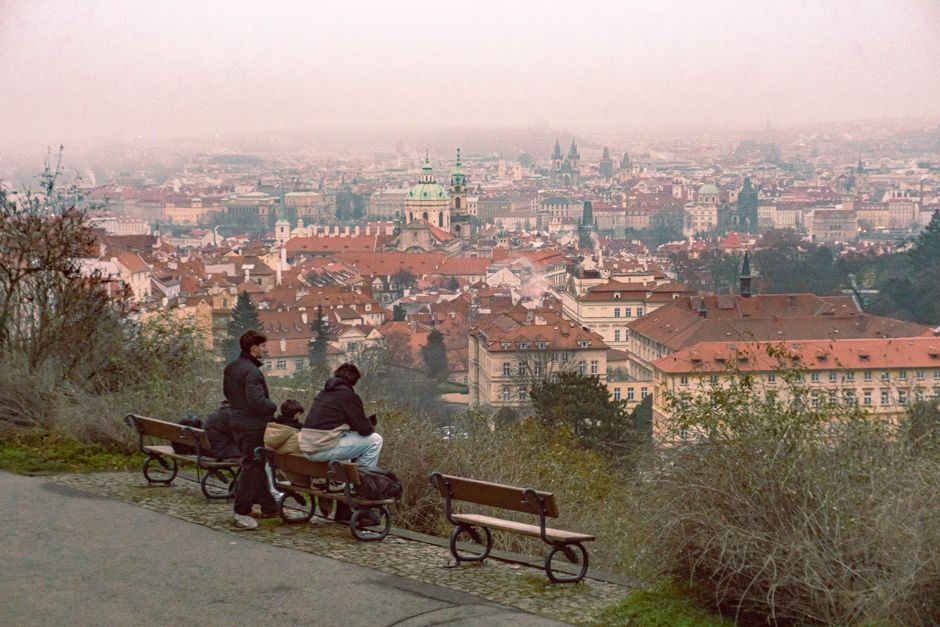
You get a slower kind of Prague. Morning light catches the roofs above Malá Strana. Tram 22 rattles past the castle while commuters head to work. Small cafés have empty tables before 9 a.m., and museums become useful refuges when the temperature drops below freezing. This is not a failed Christmas trip. It is a better fit for travellers who want architecture, food, and local routine.
Plan around daylight rather than trying to fill every hour. In January, aim for outdoor walks between 9 a.m. and 3:30 p.m. Save the castle interiors, cafés, galleries, and pubs for the darker part of the day. The strongest verdict is clear: visit after the lights are gone if you want Prague to feel like a lived-in city rather than a seasonal backdrop.
What a quiet Prague weekend actually feels like
Morning belongs to the old city
Start early at Old Town Square, before tour groups gather. The square is large enough to absorb a few visitors, but its real character appears in the side streets. Walk through Ungelt, continue toward the Powder Tower, then turn back toward the river. This route gives you Gothic façades, baroque courtyards, and ordinary morning errands within about 3 kilometres.
Cross Charles Bridge before 10 a.m. The bridge is still popular, but winter removes the worst pressure. Frost on the statues and pale light over the Vltava make the crossing more memorable than a crowded sunset visit. Stop briefly at Kampa Island instead of rushing straight to Prague Castle.
Afternoons need a warm indoor anchor
Do not plan six hours outside. Prague’s historic centre is compact, but cold air makes every exposed route feel longer. Put one indoor stop into the middle of each day: the National Gallery’s Trade Fair Palace for modern art, the National Museum at Wenceslas Square for a grand central building, or the Old Town Hall tower if the weather stays clear.
A 60-to-90-minute indoor break changes the rest of the day. You can walk again without turning the trip into a test of endurance. That rhythm also leaves room for a long lunch, which is part of the destination rather than wasted sightseeing time.
The evening is the reward
After dark, Prague becomes a sequence of warm rooms connected by short walks. Choose one neighbourhood and stay there. Moving between five distant bars wastes the best part of a winter night. Josefov and Staré Město work well for a first evening; Malá Strana is better when you want a quieter second night.
The city is at its best when the plan stops at a heated doorway, a plate of svíčková, and a half-litre of Czech lager. That combination gives the weekend its own mood instead of trying to recreate December.
The best two-day winter itinerary without rushing
Use this schedule as a framework
This route keeps outdoor walking inside the brighter part of the day and places warm indoor stops where the cold usually becomes tiring. Distances are approximate, and each block leaves room for a slow meal.
| Time | Saturday | Sunday | Typical cost |
|---|---|---|---|
| 8:30–10:00 | Old Town Square, Týn Church exterior, Ungelt | Charles Bridge and Kampa Island | Free |
| 10:00–12:30 | Jewish Quarter streets and museum visit | Tram 22 to Prague Castle and St. Vitus Cathedral | 350–450 Kč |
| 12:30–14:00 | Czech lunch near Dlouhá Street | Lunch in Malá Strana | 220–400 Kč |
| 14:00–16:00 | National Museum or café break | Castle interiors or a riverside walk | 120–300 Kč |
| 16:00–18:00 | Wenceslas Square and Powder Tower | Warm café, gallery, or hotel rest | 100–250 Kč |
| 18:30 onward | Lokál Dlouhááá or another central pub | U Fleků or a quieter neighbourhood beer hall | 250–550 Kč |
The transport choice for a short stay
Buy the PID Lítačka app’s 24-hour ticket for 140 Kč when you plan several tram or metro trips in one day. The paper version costs 150 Kč. A 72-hour ticket costs 340 Kč in the app or 350 Kč on paper in 2026. A 90-minute ticket costs 46 Kč in the app and works well for a single airport-to-centre or cross-city journey.
Most central sights sit close enough to reach on foot, so do not buy a multi-day pass automatically. My recommendation is one 24-hour ticket for the castle day and individual tickets for a mostly walkable Saturday. Validate a paper ticket once at the start. Repeated stamping can damage it.
How to stay warm on Prague’s cobblestones
The packing system that works
Wear layers, protect your feet, and carry a small power bank. Prague winter sightseeing is not hard because the distances are extreme. It is hard because cold air, wind, damp stone, and standing at crossings slowly drain your comfort.
- Pack wool socks and a spare pair. Wet socks can ruin the evening faster than low temperatures.
What not to bring
Do not pack thin fashion sneakers, a single heavy jumper, or a large suitcase for a weekend based around tram stops and old pavements. Prague’s centre has uneven stones, steps, and occasional slush. A small wheeled bag works on clear days, but a backpack is easier on bridges and narrow lanes.
The best gear verdict is practical: waterproof walking shoes matter more than an expensive coat. If your feet stay dry, you can shorten a walk, enter a café, and continue. If they are cold and wet, every plan feels wrong by 5 p.m.
Which Prague pubs are worth the walk
My first choice: Lokál Dlouhááá
Choose Lokál Dlouhááá for the best first-night balance of food, beer, and location. It sits close to Old Town but feels like a busy Czech dining room rather than a themed attraction. Order a fresh Pilsner Urquell, a plate of smažený sýr, or a traditional meat dish. The room can fill quickly, so book ahead for Friday or arrive before the main dinner rush.
For history: U Fleků
U Fleků is the theatrical choice. The brewery and pub have operated for centuries, and the dark rooms suit a cold evening. Its own beer gives the stop a clear reason to exist, but the setting also attracts visitors and prices can run higher than a local beer hall. Go for the atmosphere and old brewery character, not for the cheapest meal in Prague.
For a less polished evening
Try Hostinec U Vodoucha in Vinohrady if you want a neighbourhood pub with a more local feel. Vinohrady is easy to reach by tram or metro, and the area gives you a useful alternative to the Old Town restaurant circuit. Expect simple Czech food, draught beer, and a louder room at peak hours.
Skip any pub that relies on a menu written in six languages, a person pulling you through the door, and a suspiciously large “traditional” dinner deal. A good winter pub has a short menu, visible beer taps, and tables occupied by people who came to eat or drink rather than pose for a photo.