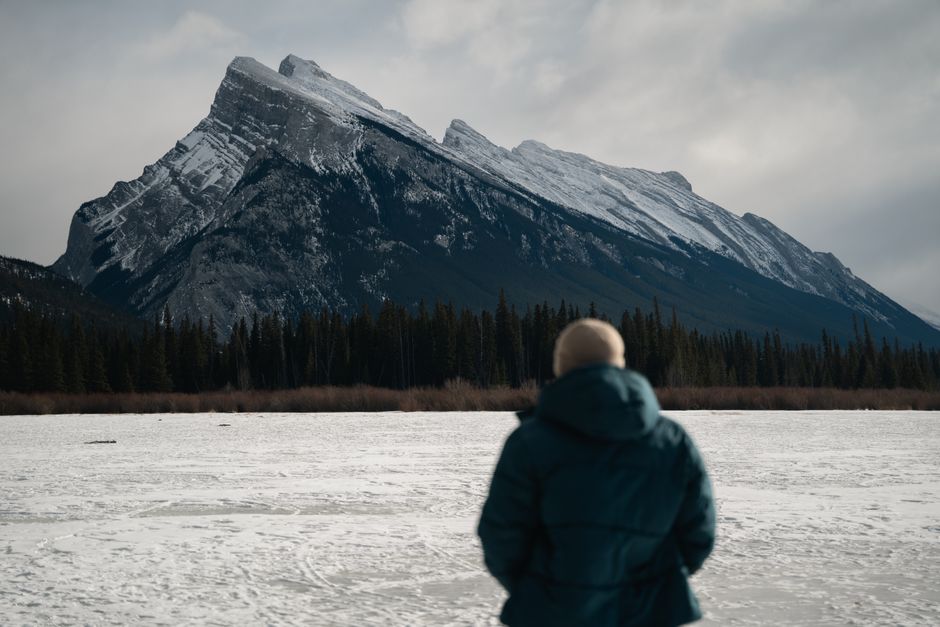
Is Banff and Lake Louise worth visiting in January? Yes, if you want real winter, clear mountain air, frozen lakes, and reliable snow. No, if you expect long daylight, easy roadside sightseeing, or warm afternoons. January rewards travellers who plan around the cold instead of pretending it is a minor detail.
Is January a good time to visit Banff and Lake Louise?
The cold is real, but manageable
January is one of the coldest months in Banff National Park. Banff often sits near -5°C during the day and around -15°C overnight, while Lake Louise can run several degrees colder. A cold snap below -25°C is possible, and temperatures can fall into the minus thirties. Pack for that possibility even if the forecast looks friendly.
The upside is excellent winter scenery. Snow stays on the ground, mountain views can be sharp after a cold front, and the towns feel less frantic than they do in summer. You can walk beside frozen lakes, ski groomed trails, skate on maintained ice, and spend the afternoon in a hot pool without fighting peak-season crowds.
Daylight controls your schedule
Expect roughly eight and a half to nine and a half hours of daylight, depending on the date. In early January, usable light starts late and disappears early. Schedule outdoor viewpoints and drives between about 9:30 a.m. and 3:30 p.m. Then move indoors.
Verdict: January is the best month for travellers who want a true snow trip and can accept short days. February gives you slightly more daylight, but January usually delivers the strongest winter atmosphere.
How many days do Banff and Lake Louise need in January?
Use Banff as the base
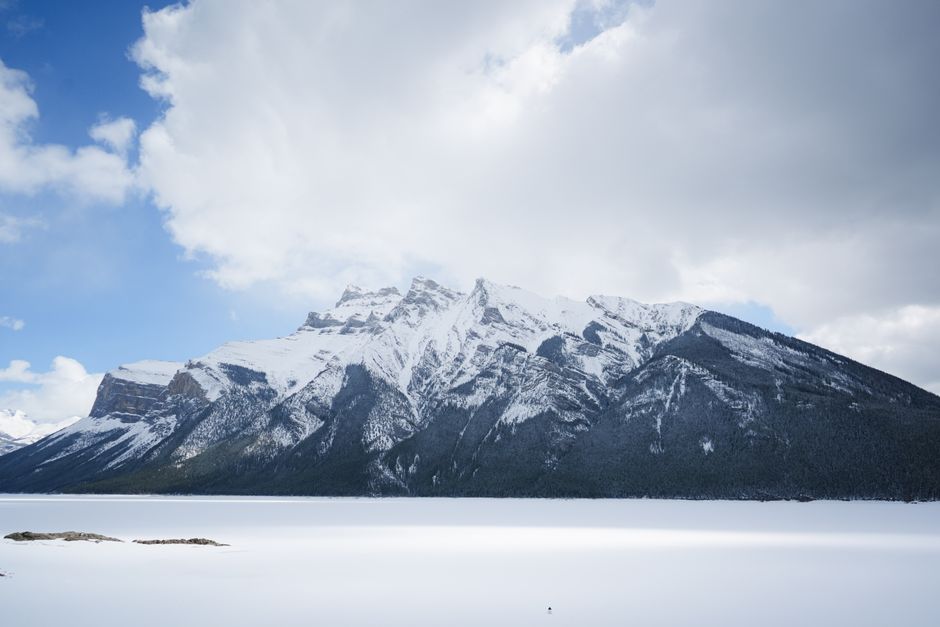
Three full days is the minimum that makes sense. Stay in Banff for two nights, then add Lake Louise as a full-day trip or spend one night near the lake if you want slower mornings. Banff has more restaurants, shops, hot pools, and indoor backups, so it is the smarter base during unpredictable weather.
A practical three-day plan
| Day | Morning | Afternoon | Evening |
|---|---|---|---|
| 1 | Banff Avenue and Bow River viewpoints | Banff Upper Hot Springs or a short snowy walk | Dinner in Banff |
| 2 | Lake Louise Lakeshore | Skating, snowshoeing, or the Lake Louise Ski Resort | Return before dark |
| 3 | Johnston Canyon or a guided winter activity | Flexible weather backup | Final Banff evening |
Do not force Moraine Lake into a January plan. The road is closed to personal vehicles year-round, and the regular Parks Canada shuttle season runs from May to October. In January, focus on Lake Louise, Emerald Lake if road conditions cooperate, and activities close to town.
Verdict: Three full days works. Four or five days is better if you want skiing, snowshoeing, or a weather buffer. Two nights is too short for a relaxed trip unless you skip Lake Louise.
How do you get from Banff to Lake Louise in January?
Can you use public transit?
Yes. Roam Public Transit Route 8X runs between Banff and Lake Louise year-round. The posted adult fare is CA$12.50 one way, with higher-priced day and round-trip options. Check the current schedule before booking activities because winter service is less frequent than local Banff routes.
Roam is the best choice for visitors who do not want to drive on snow and ice. It also removes the parking problem at Lake Louise. Book the route when reservations are available, arrive early, and keep your return plan visible. Missing the last bus is not a charming mountain story.
Is renting a car worth it?
A car gives you flexibility for Emerald Lake, Johnston Canyon, and early starts. It also adds risk. Highway conditions can change fast, and snow tires or chains are required on the Icefields Parkway from November 1 through March 31, or whenever the road is snow-covered or icy. Ask the rental company for a vehicle with proper winter tires, not just all-season tires with optimistic marketing.
Use Roam Transit fares and schedules for the latest route details, and check Alberta 511 before any mountain drive. Verdict: Choose Roam for a Banff-to-Lake Louise day trip. Rent a car only if you plan several out-of-town stops and are comfortable with winter driving.
What can you do in Banff when the weather turns bad?
Build a weather-proof day
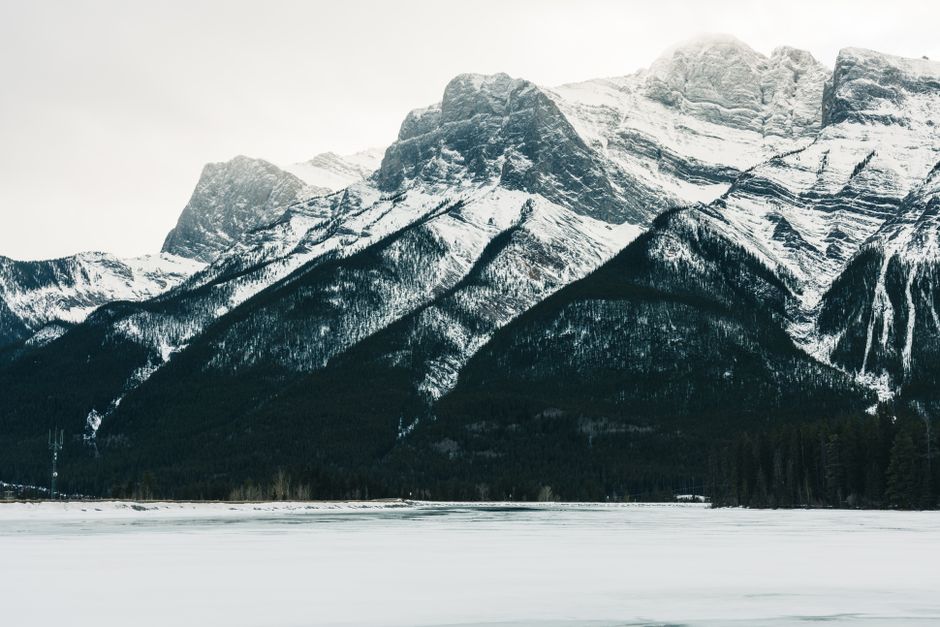
Bad weather does not ruin January. A badly built itinerary does. Start with one outdoor anchor, then place an indoor or low-exposure activity after it. For example, skate at Lake Louise in the morning, eat lunch indoors, and finish with a short lakeshore walk if visibility holds. If the temperature drops hard, switch the order rather than abandoning the whole day.
Banff Upper Hot Springs is the obvious cold-weather reset. The adult single-entry fee is CA$19.75, and the pool is far easier to enjoy after a snowy walk than after spending six hours inside a hotel. Museums, cafés, galleries, and long lunches work well when wind makes sightseeing unpleasant.
Choose activities by exposure
- Low exposure: Banff Upper Hot Springs, the Whyte Museum, cafés, restaurants, and hotel spa time.
- Moderate exposure: Lake Louise skating, Johnston Canyon, short snowshoe routes, and guided wildlife drives.
- High exposure: downhill skiing, backcountry touring, long snowshoe trips, and exposed viewpoints during a cold snap.
The Banff Gondola can be a good clear-day choice, but do not treat it as a guaranteed fix for cloud. Its summit is colder than town, and the cabins are not heated. Verdict: Book one major outdoor activity per day and keep the rest flexible. January visitors who schedule three outdoor commitments daily usually end up paying cancellation fees or sitting in wet gear.
What should you pack for Banff and Lake Louise in January?
Pack for standing still
Winter sightseeing involves more standing than walking: waiting for buses, taking photos, changing ski gear, and watching skaters. Dress for the coldest ten minutes of the day, not the warmest.
- Wear a moisture-wicking base layer, an insulating mid-layer, and a windproof outer shell.
- Bring insulated waterproof boots with enough room for thick socks.
- Pack two pairs of gloves: one warm pair for walking and a thinner pair for phones and cameras.
- Carry a warm hat that covers your ears, a neck gaiter, and sunglasses for snow glare.
- Use insulated pants or thermal leggings under regular trousers for long outdoor sessions.
Protect your feet and phone
Ice cleats are more useful than fashionable city boots. Packed snow becomes polished ice on busy paths, especially around Lake Louise and Banff viewpoints. Put cleats in your day bag, not at the bottom of checked luggage.
Cold drains phone batteries quickly. Keep your phone in an inside pocket and carry a small power bank. Moisture also becomes a problem when you move between freezing air and warm buildings, so wipe condensation from camera lenses before taking photos.
Verdict: Buy or borrow proper insulated boots and traction cleats before the trip. Those two items prevent more miserable January moments than an expensive camera or a larger suitcase.
Who should skip Banff and Lake Louise in January?
January is the wrong month if you want easy sightseeing
Skip January if your ideal trip means hiking dry trails, driving every scenic road, or seeing both lakes without checking closures. Some roads have seasonal restrictions, trail conditions change daily, and natural ice is not automatically safe for skating. Parks Canada does not monitor every natural ice surface, so use maintained skating areas and obey every closure.
Backcountry travel is another line you should not cross casually. Avalanches, disorientation, frostbite, and thin ice are real hazards. Stay on marked routes unless you have the training, equipment, forecast knowledge, and partners to handle winter terrain.
Quick comparison: January versus other seasons
| Choose January for | Choose another season for |
|---|---|
| Snow, skiing, skating, hot springs, and quiet mountain scenery | Long hikes, open alpine roads, and warm evenings |
| Lower daylight and genuine cold | More predictable road access |
| A winter-focused itinerary with flexible backups | A first-time sightseeing trip with minimal planning |
Final verdict: Banff and Lake Louise in January are excellent when you plan a compact route, dress for -20°C conditions, and treat weather as part of the trip. Base yourself in Banff, use Roam for Lake Louise, reserve one major outdoor experience, and leave room to change plans. That is the difference between a crisp Rockies holiday and an expensive attempt to defeat winter.