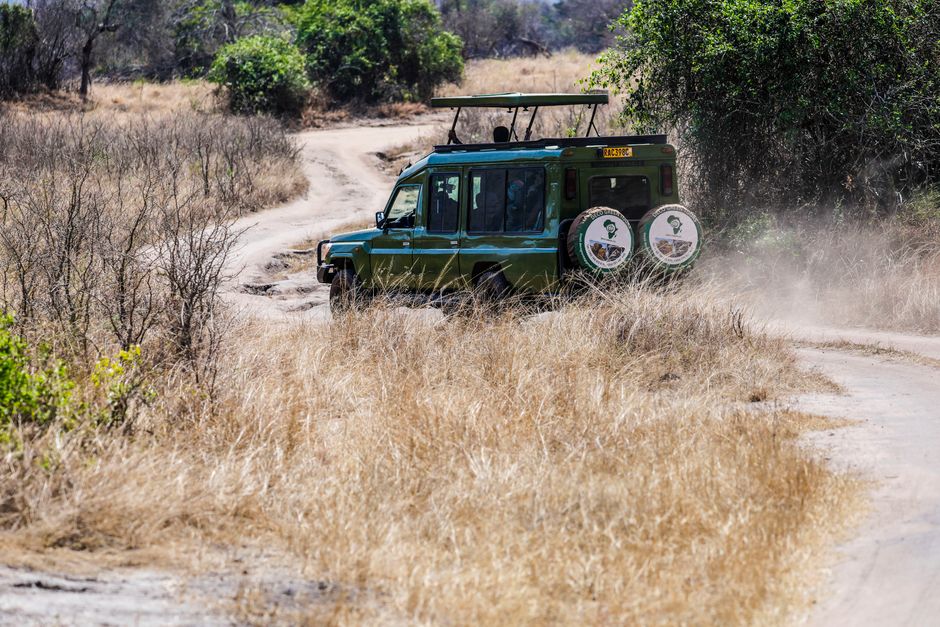
January is one of Kenya’s strongest wildlife-viewing months, but it is not a rain-free guarantee. That distinction matters when you choose a park, pack clothing, and set expectations for road conditions.
A January safari is an informational and commercial travel decision: most readers are comparing destinations, dates, and safari styles before paying a substantial deposit. The safest plan starts with geography rather than a generic promise of perfect weather. Choose one main wildlife region, schedule drives around animal activity, leave room for heat and dust, and confirm current park rules before departure.
Why January is a strong month for a Kenya safari
Dry ground improves wildlife viewing
January sits between Kenya’s October-to-December short rains and the longer rains that usually become more disruptive later in the season. Across many southern and eastern safari areas, shorter grass and thinner vegetation can make animals easier to spot from established roads. Water also becomes more concentrated in permanent rivers, springs, swamps, and waterholes, so guides can read the landscape more effectively.
The Kenya Wildlife Service describes December-to-March as a strong period for park visits, with generally sunny conditions and easier wildlife viewing in areas where grass is short. That does not mean every drive produces a lion sighting. It means the basic viewing conditions are often favorable.
What January does not promise
January is not the classic month for the famous Maasai Mara wildebeest crossing. The large migration movement is usually associated with later months, and the timing changes with rainfall. The Mara can still deliver excellent resident wildlife, including lions, elephants, buffalo, giraffes, and cheetahs, but a traveller who wants river crossings should not book January on the assumption that the spectacle will be waiting.
January also brings strong sun, chilly early mornings at elevation, and occasional showers. In practical terms, the best forecast is a useful planning tool, not a guarantee. The clear verdict is that January suits travellers who value dry-road access, good general wildlife viewing, and fewer migration-specific expectations.
Which Kenyan park fits a January safari?
Match the park to the sight you want most
| Destination | Best January reason | Main tradeoff | Good trip length |
|---|---|---|---|
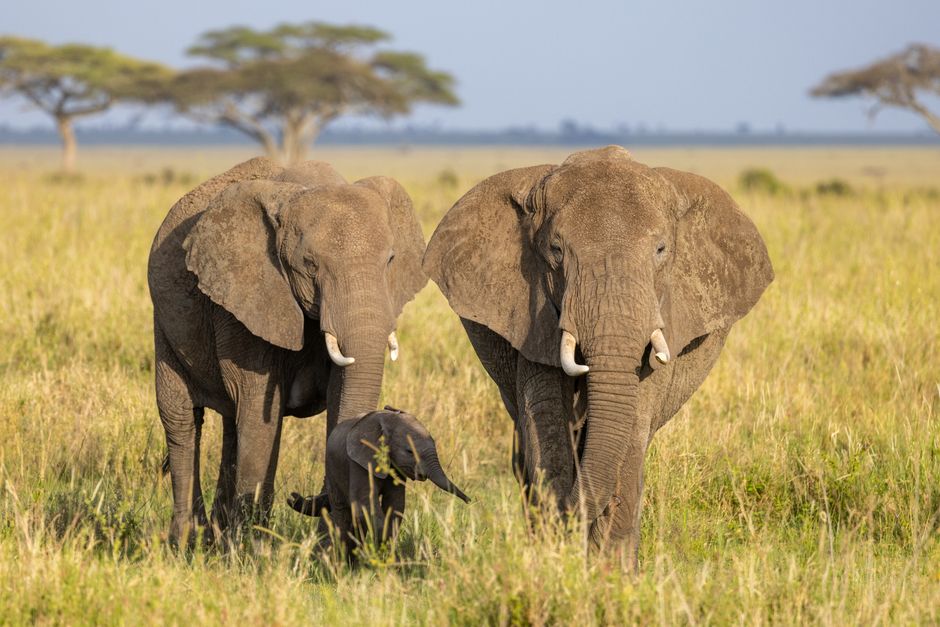
| Amboseli National Park | Large elephant herds, open plains, and possible Kilimanjaro views | Dust, heat, and mountain visibility can change by day | 2 to 3 nights |
| Maasai Mara National Reserve | Resident predators and broad savannah wildlife | No reliable promise of migration crossings | 3 to 4 nights |
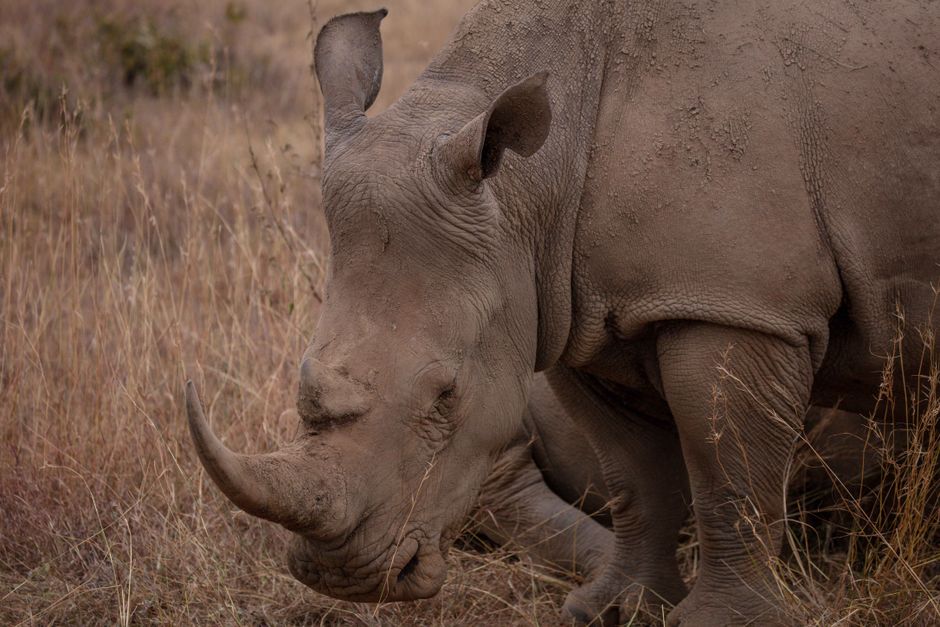
| Lake Nakuru National Park | Rhino viewing, lake scenery, and a compact park experience | Less expansive than the Mara or Tsavo | 1 to 2 nights |
| Tsavo East and Tsavo West | Large landscapes, elephants, red soil, and a quieter feel | Longer transfers and more spread-out sightings | 3 to 4 nights |
| Samburu National Reserve | Dry northern scenery and species associated with the Samburu ecosystem | Hotter conditions and a longer route from Nairobi | 2 to 3 nights |
The practical choice for a first visit
For a first January safari, Amboseli plus either Tsavo West or Lake Nakuru gives the clearest balance of scenery, wildlife, and manageable travel. Amboseli is about 265 kilometres from Nairobi by road according to Kenya Wildlife Service park information, although the actual journey depends on traffic, stops, and the gate used. Choose the Mara instead when predator viewing matters more than seeing Mount Kilimanjaro.
Do not build an overpacked route
Adding four parks to a five-day trip looks efficient on a map but often produces long transfer days and short game drives. One park deserves at least two full mornings. Two regions can work well. Three usually requires a flight or a willingness to spend too much of the trip in a vehicle.
How to build a five-day January safari itinerary
Use a simple route with two wildlife bases
- Day 1: Arrive in Nairobi, recover from the flight, and confirm the next morning’s departure time. Avoid scheduling a distant park transfer after a late international arrival.
- Day 2: Travel to Amboseli or another nearby southern circuit, then take a short late-afternoon drive if arrival time permits.
- Day 3: Take a full early-morning drive, return for breakfast and rest, then choose an afternoon drive or community visit where the local rules allow it.
- Day 4: Transfer to a second region such as Tsavo West or Lake Nakuru. Treat the transfer as a travel day, not as a guaranteed full safari.
- Day 5: Take one final morning drive, leave enough time for the return journey, and avoid booking a tight international connection on the same day.
Build around recovery, not just distance
A safari vehicle is exciting for the first few hours and tiring by the fifth. Leave space for sleep, water, meals, and a proper midday break. Children, older travellers, and anyone with back or neck problems may need shorter drives and a lodge closer to the park gate. A private vehicle can make timing easier, but it does not remove the distance between regions.
Check the route in kilometres and estimated road hours before paying. A map line that appears short can include rough tracks, congestion outside Nairobi, border-area delays, or a slow gate process. Flying between distant safari regions may cost more, but it can preserve an extra game-drive morning. The best five-day itinerary is the one that leaves you with four useful wildlife periods, not five exhausted transfer days.
What should you pack for Kenya’s January dry season?
Pack for cold mornings and hot afternoons
The strongest packing plan uses layers. A light fleece or warm jacket can matter before sunrise, especially in the highlands and open vehicles. By late morning, the same traveller may need a breathable shirt, sunglasses, sunscreen, and a hat. Neutral colours help with dust and photography, but expensive specialist clothing is not required.
- Two or three long-sleeved shirts for sun and dust.
- Light trousers rather than shorts for early drives and brush.
- A fleece, windbreaker, or warm layer for pre-dawn departures.
- Closed walking shoes with firm soles.
- SPF 30 or higher sunscreen, lip balm, and a wide-brimmed hat.
- Binoculars, spare batteries, a power bank, and a soft-sided day bag.
- Reusable water capacity that can be refilled safely at your accommodation.
Protect your equipment from dust
Fine dust reaches camera bodies, phone ports, zippers, and bags. Keep lenses in a small pouch, avoid changing camera lenses in the open vehicle, and carry a microfiber cloth. A hard suitcase can be difficult to store in a small safari vehicle, so a soft-sided bag is usually easier. Do not pack every possible gadget. A reliable phone, binoculars, and one camera system are enough for most travellers.
Leave camouflage clothing, loud fragrances, and impractical shoes at home. Wildlife viewing does not require military-style gear, and strong scents can make a quiet vehicle less pleasant for everyone. The winning packing strategy is simple: layers, sun protection, dust protection, and items you can reach without unpacking the entire bag.
What can go wrong on a January safari?
Will dry season mean no rain?
No. January often brings dry conditions across major safari regions, but short showers can still occur. Carry a light waterproof layer and keep documents and electronics protected.
Is the cheapest safari automatically good value?
No. A lower price may reflect a shared vehicle, longer transfers, a distant lodge, fewer included park fees, or a guide with less flexibility. Ask for the vehicle capacity, park-entry inclusions, transfer plan, meal arrangements, and cancellation terms in writing. Current fees can change; the published KWS conservation-fee schedule shows why park-entry costs should appear as a separate line in a quotation.
Can I rely on a famous wildlife promise?
No ethical operator can guarantee a lion, leopard, cheetah, migration crossing, or clear Kilimanjaro view. Guides improve your odds through local knowledge, but animals move freely and weather changes visibility. Treat claims of guaranteed sightings as a warning sign. Ask what the operator will do if a road closes, a flight is delayed, or a park changes its access rules.
Border, health, and entry requirements also change. For travel documents, use current government and airline guidance rather than an old blog post or a message copied from a previous traveller.