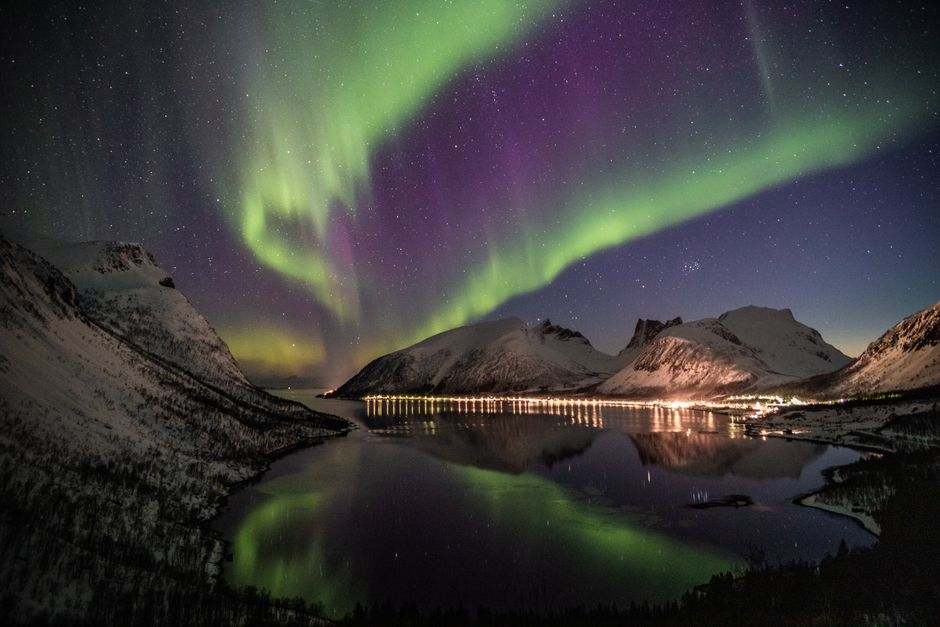
Best verdict: January is one of the strongest months for a Tromsø aurora trip if you stay at least four nights, book two chase opportunities, and treat clear skies as the real priority. The city sits below the auroral oval, but no tour can promise a display. Your best plan combines flexible nights, warm clothing, and a guide who can drive toward clearer weather.
Is January a good month for the northern lights in Tromsø?
Yes. January gives you long hours of darkness, snow-covered scenery, and a good chance to see the aurora when clouds move away. Tromsø lies directly below the auroral oval, and the local viewing season usually runs from late August to early April. The official Visit Tromsø viewing guide places the most active evening window at roughly 20:00 to 02:00, although the lights can appear earlier or later.
| January window | Light conditions | Main advantage | Verdict |
|---|---|---|---|
| January 1–14 | Polar Night and deep twilight | Maximum darkness for long viewing sessions | Best for aurora-first trips |
| January 15–21 | The sun begins returning above the horizon | Dark evenings plus the first blue and pink daytime light | Best overall balance |
| January 22–31 | Longer twilight and a visible low sun | More usable daytime for snow activities | Best for mixed itineraries |
| Any January dates | Cloud cover can change quickly | Several nights create more chances | Stay four or more nights |
The best January window
For most travellers, January 15–31 is the smartest compromise. The returning sun adds colour to the middle of the day, while the evening remains dark enough for aurora hunting. Visit Tromsø says the Polar Night lasts approximately until January 15, though mountains can delay the first direct sunlight in the city. Early January wins only if the aurora is your entire reason for going.
What the forecast can and cannot tell you
A high aurora forecast does not beat thick cloud. Check cloud cover, wind, road conditions, and the forecast for the exact valley or coast where the tour may travel. A clear patch near Skibotn or inland Finland can be more useful than a higher activity number above a cloudy Tromsø. The honest promise is better odds, not a guaranteed green sky. A local northern lights FAQ gives the same practical warning: visibility depends on darkness, auroral activity, and local weather.
How should you plan a Tromsø aurora trip?
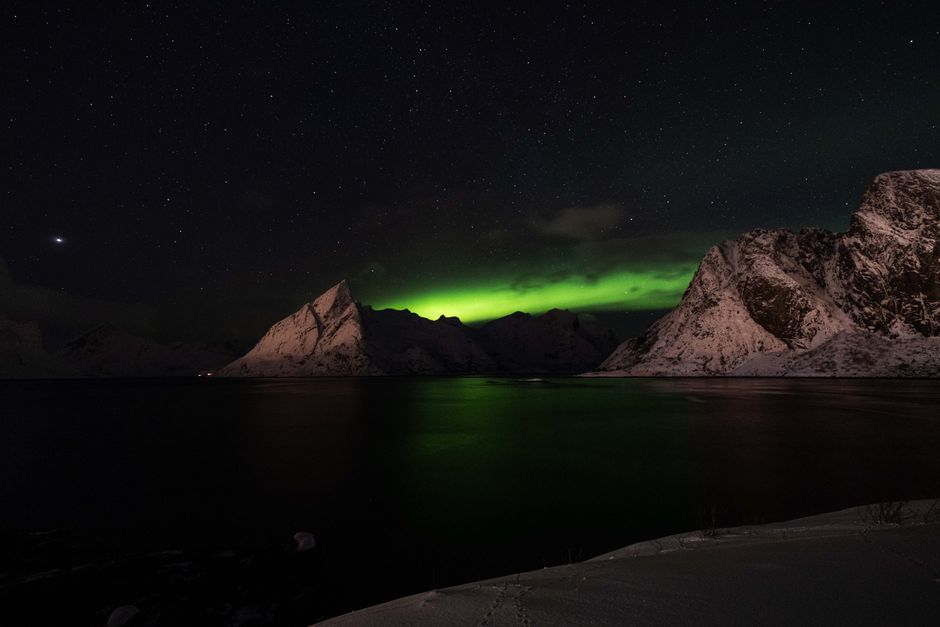
The winning plan is simple: protect your aurora nights, then fit daytime activities around them. Do not schedule a late whale-watching return on the same evening as your only chase. Snow, wind, and road delays are part of Arctic travel.
Use this five-step booking plan
- Stay four nights if possible. A two-night trip leaves almost no room for cloud, fatigue, or a cancelled departure.
- Book the first chase early in the visit. If the weather turns bad, you still have time to try again.
- Add a second chase on a different night. Choose a small minibus tour if finding clear skies matters more than a fixed camp or dinner.
- Keep one evening open. If the forecast improves, you can accept a last-minute departure or walk to a dark local viewpoint such as Prestvannet.
- Put daytime tours in the middle of the stay. Dog sledding, reindeer visits, fjord cruises, and museums give you a full trip even if the aurora stays hidden.
Build a schedule that survives bad weather
Arrive in Tromsø before your first booked chase rather than landing hours before it. Leave a recovery morning after a late return because many tours finish after midnight. Keep dinner flexible and confirm pickup instructions before departure. Check cancellation rules carefully: a tour that refunds for unsafe roads may not refund simply because the aurora did not appear. That distinction prevents a costly surprise.
Use the city as a base, but do not assume the city centre is your best viewpoint. Streetlights reduce contrast, especially during a weak display. A guided chase earns its price when the driver can compare cloud maps, use local roads, and move away from artificial light. For a short trip, that mobility is more valuable than a cheaper fixed-location excursion.
What should you wear for a January aurora chase?
Buy warmth for standing still, not for walking quickly. Aurora tours often involve long periods outside beside a road, beside a fjord, or at a camp. Your body produces less heat when you are waiting for the sky to change. The most reliable system has three layers, insulated footwear, warm mittens, and a dry backup pair of socks.
The three-layer setup that works
Start with a moisture-moving base layer. Add a fleece or light insulated mid-layer. Finish with a windproof shell or insulated parka.
Do not wear cotton next to your skin. It holds moisture and turns cold once you stop moving. Avoid one massive sweater that cannot vent during a warm transfer in the van. Two adjustable layers give you better control.
Hands, feet, and camera details
Choose insulated waterproof boots with room for thick socks. Tight boots compress insulation and make cold feet worse. Carry a lightweight liner glove if you need to adjust a camera.
A headlamp also helps when you walk away from the vehicle. Use its red-light mode around other photographers. Guides may provide thermal suits and boots for dog sledding or snowmobiling, so ask before buying duplicate equipment. A small thermos, spare battery kept inside an inner pocket, and chemical hand warmers add more value than a fashionable but thin jacket.
Should you book a guided chase or go alone?
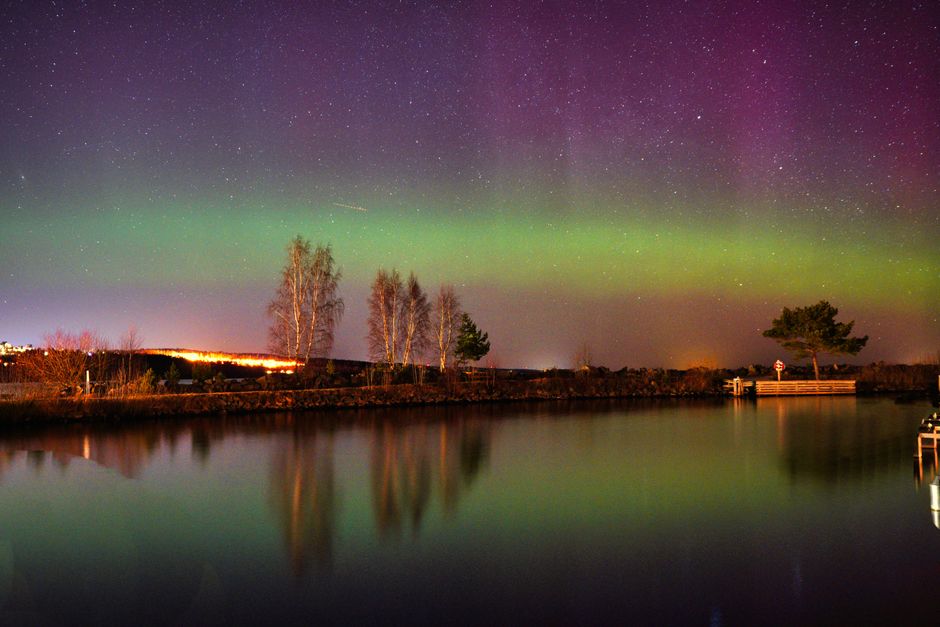
Book a guided chase for a January visit shorter than five nights. The guide’s real value is not a magic aurora prediction; it is the ability to combine cloud maps, road conditions, local geography, and safe driving while you stay warm and alert. A self-drive plan works for experienced winter drivers with several flexible nights, but a rental car adds darkness, ice, parking, and navigation problems at the exact time you should be watching the sky.
A fixed camp is the better choice if comfort matters most and you want a fire, food, toilets, or photography support. A mobile minibus chase is the better choice if your priority is finding a clear patch. Neither option changes the weather. The clear winner for a first trip is a small-group mobile tour on the first or second night, followed by a free evening that lets you try again from the city if conditions suddenly improve.
Do not pay extra for claims that a company can guarantee green lights. Ask how many hours the trip lasts, how far it may travel, what happens during dangerous weather, and if hotel drop-off is included. Those details predict the experience better than dramatic tour photos.
What can go wrong on a January aurora trip?
Can you miss the lights after booking a tour?
Yes. Clouds can cover Tromsø while the aurora is active above them, or the display can appear for only a few minutes after the group returns to the vehicle. Book more than one night and choose a tour that actively searches for clearer skies. A sighting is never guaranteed, even during the strongest part of the season.
Is a high KP forecast enough?
No. KP measures geomagnetic disturbance, not the view from your exact parking spot. Tromsø already sits under the auroral oval, so a modest display can be visible there when the sky is clear. Cloud cover, darkness, horizon visibility, and patience matter more than chasing a single headline number. Full moon is not automatically bad; moonlight can brighten snowy mountains and improve landscape photographs, though a weak aurora may look less obvious.
When should you choose another month?
Choose March if you want more daylight for snowshoeing, skiing, and landscape trips while keeping strong aurora opportunities. Choose September or October if you dislike deep cold and can accept less reliable snow. Skip January if you need guaranteed outdoor conditions, dislike late nights, or have only one evening available. Choose it if you want the full Arctic mood: blue twilight, snowy roads, dark skies, and a city that still feels lively through the Polar Night season. The official winter guide for Tromsø lists January activities beyond aurora tours, which is exactly why a well-planned trip remains worthwhile even when the sky stays quiet. The search for better viewing conditions will keep shaping Arctic travel, but the best trips already treat the journey as more than a hunt for one photograph.