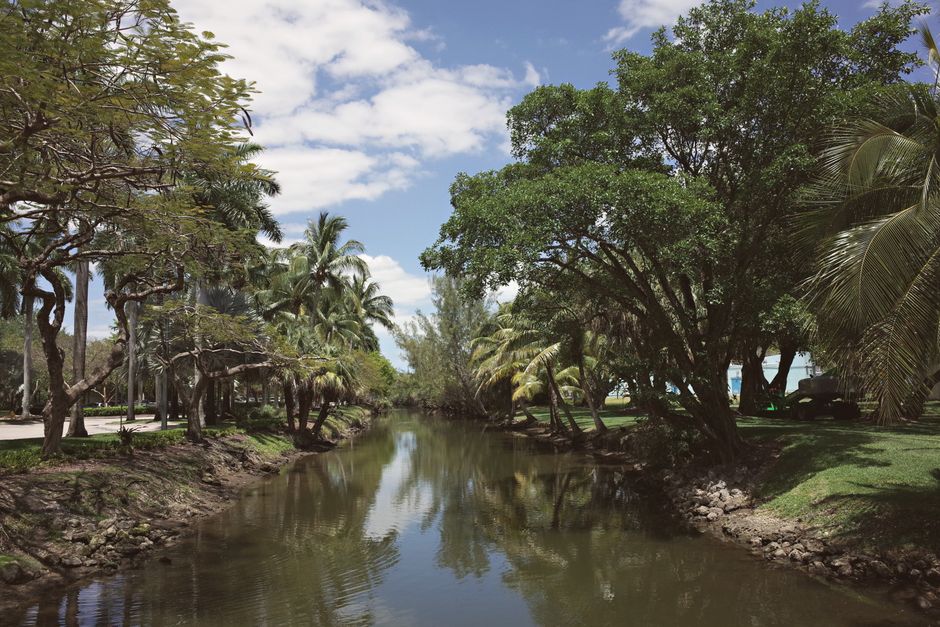
Is January actually warm enough for a Florida Keys and Everglades trip, or does winter sun sound better in a brochure than it feels on the ground? The short answer is yes, January is one of the best months for this route, but it is not a guaranteed beach holiday. The Keys can turn windy after a cold front, the Everglades still has mosquitoes, and winter crowds push up booking pressure. Plan around those facts and you get mild weather, clearer skies, active wildlife, and a road trip that feels far less rushed.
Is Florida warm in January, or only warm by comparison?
Verdict: January is the best weather month for exploring the Everglades, and one of the safest months for outdoor time in the Keys. Pack for warm afternoons and cool, windy mornings rather than packing only swimwear.
These figures come from 1991–2020 climate normals and the National Park Service dry-season guidance, so they describe patterns, not a promise for your exact week. Check the forecast seven days before driving south.
How to dress for the real conditions
Use a simple three-layer system: a breathable shirt, a light fleece or sweatshirt, and a packable rain shell. Add sunglasses, a brimmed hat, and sunscreen. In the Everglades, mosquitoes and biting flies can still appear at dawn and dusk, so insect repellent belongs in the day bag even during the dry season.
Why January beats summer for this route
January avoids the worst heat and humidity that make long boardwalks and exposed trails tiring. The tradeoff is demand. Shark Valley tram tours, Flamingo lodging, and popular Key West rooms can sell out early. The weather is the reason to go; the crowds are the price of going at the right time. See the National Weather Service Keys climate normals before setting expectations.
How should you split a seven-day Keys and Everglades trip?
Verdict: Start with the Everglades, then drive south through the Keys. That order gives you flexible wildlife days at the beginning and leaves the more relaxed island time for the end.
The route that wastes the least time
- Day 1: Sleep in Florida City or Homestead after arriving in Miami. This puts you near the park entrance instead of starting with a long drive.
- Day 2: Visit Shark Valley early. Allow at least four hours for the entrance, parking, the two-hour tram, and the observation tower stop.
- Day 3: Drive through the Homestead entrance toward Royal Palm and Flamingo. Walk a short trail, visit the marina, and stay nearby if your budget allows.
- Day 4: Drive to Key Largo or Islamorada. Stop at overlooks and short trails instead of trying to cover every roadside attraction.
- Day 5: Use the Middle Keys for kayaking, snorkeling, fishing, or a slow afternoon in Marathon.
- Day 6: Continue to Key West. Give the drive time; traffic, bridges, and stops make the Overseas Highway slower than its mileage suggests.
- Day 7: Keep Key West flexible for weather. Use the morning for a walk, museum, or harbor activity before returning north or flying out.
If you only have four days
Choose one Everglades zone and one Keys base. The cleanest short trip is one night in Florida City, one day at Shark Valley, then two nights in Key West. Do not add Flamingo unless you are willing to spend most of a day driving the park road.
The major route mistake is treating the Everglades as one attraction. Its entrances do not connect like rooms in a theme park. Shark Valley, Homestead, Flamingo, and Everglades City serve different landscapes and require separate driving plans.
What actually improves in the Everglades in January?
Verdict: Visit the Everglades in January for wildlife and walking conditions, not because the park will feel tropical every hour.
Dry season changes the park
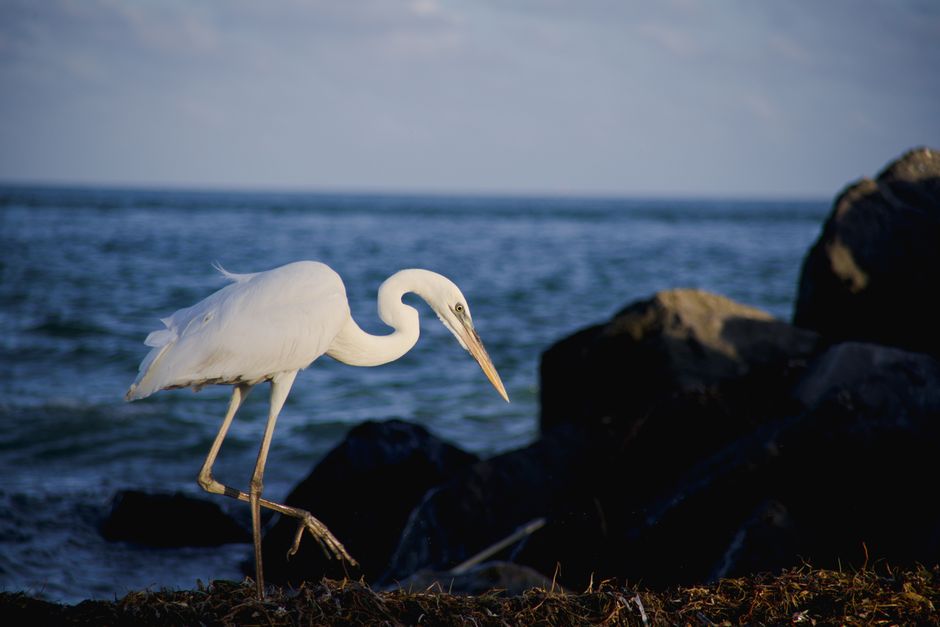
From roughly November through March, water levels fall and wildlife gathers around the remaining pools, canals, ponds, and coastal areas. That does not make sightings guaranteed, but it improves the odds of seeing alligators, wading birds, and larger groups of waterfowl. The National Park Service describes lower humidity, clearer skies, fewer mosquitoes, and more wildlife activity during this season. Flamingo is especially strong for winter birding. Herons, egrets, ibises, wood storks, roseate spoonbills, and American white pelicans move through Florida Bay and the mangroves.
The first principle is simple: animals concentrate where food and water remain. A dry-season visit works because the park becomes easier to read. You still need patience. An alligator may sit motionless beside a trail, and a birding stop can produce nothing for twenty minutes before a flock appears.
Start early, when temperatures are lower and wildlife is more active. Carry water, even on a short boardwalk. Stay on marked trails and never approach animals for a better photograph. The park is vast, flat, and exposed; shade is limited on several popular routes.
Shark Valley or Flamingo?
Pick Shark Valley for a first visit, families, and travellers who want a clear overview of the River of Grass. The 15-mile loop, observation tower, and guided tram make the ecosystem easy to understand without advanced paddling skills. Pick Flamingo for coastal scenery, mangroves, birding, kayaking, and boat access into Florida Bay. The two areas answer different questions, so combining them is worthwhile only when you have enough time.
Airboat operators along the Tamiami Trail can add a different experience, but an airboat ride is not a substitute for Everglades National Park. It emphasizes speed and open wetlands; the park also protects mangroves, pinelands, coastal prairie, and marine habitat. For the widest lesson in one day, Shark Valley wins.
Which Keys base is the right choice in January?
My recommendation: stay in Islamorada or Marathon for a balanced trip, and use Key West as a deliberate final destination rather than your only base. You get less driving, easier access to water activities, and a calmer night after an Everglades day.
Choose Key Largo for access
Key Largo makes sense when the Everglades is the main goal. It is the northernmost major Keys base and the easiest place to reach after Florida City. Choose it for diving, snorkeling, and an early start toward the park. The downside is atmosphere: it feels more spread out and less historic than Key West.
Choose Islamorada or Marathon for balance
Islamorada works for travellers who want restaurants, sunset stops, fishing, and a central position between Key Largo and Key West. Marathon is the practical choice for families and visitors who want more space, beaches, and a shorter final drive than starting in Key West. These bases reduce the temptation to spend every day in the car.
Choose Key West for culture, not convenience
Key West is the clear winner for walkable evenings, historic streets, galleries, live music, and restaurant variety. It is also the least efficient base for the Everglades. The drive back from Key West to Flamingo or Shark Valley can consume most of a day. If you stay there, give Key West at least two nights and stop treating the Everglades as a casual day trip.
What can ruin a January Keys and Everglades trip?
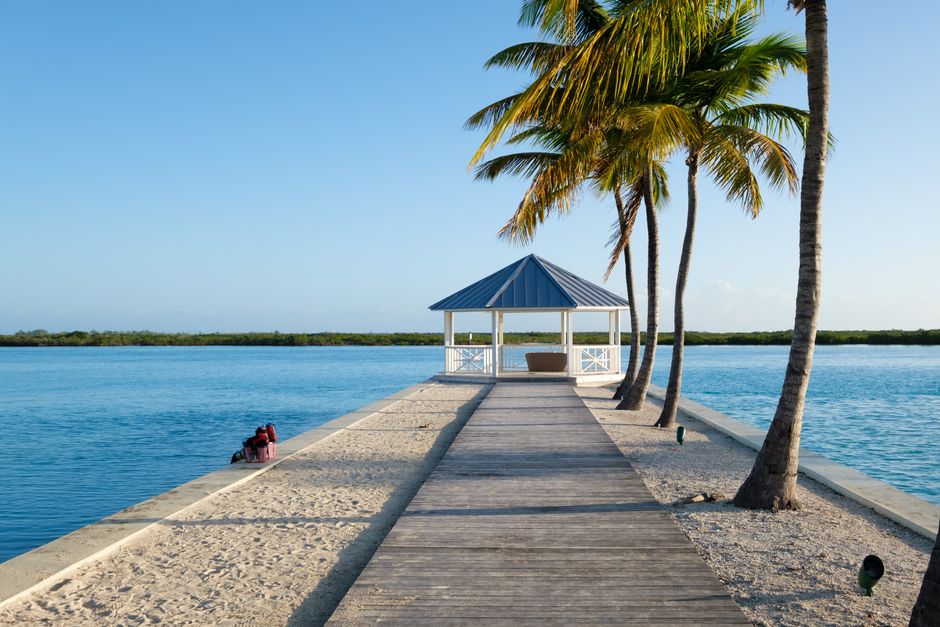
Final verdict: January is a strong choice if you value mild hiking weather and wildlife more than guaranteed swimming conditions. The biggest mistake is building an expensive itinerary that leaves no room for wind, cold fronts, full parking lots, or a missed reservation.
Common mistakes to avoid
- Driving from Key West to the Everglades and back in one day.
- Assuming every Everglades entrance reaches every major attraction.
- Booking an open-air boat without checking the wind forecast.
- Arriving at Shark Valley at midday during the busiest winter weeks.
- Skipping insect repellent because January is the dry season.
- Planning only beaches and ignoring museums, walks, and indoor options for a cold-front day.
When January is the wrong month
Choose another season if your main goal is consistently warm ocean swimming, low accommodation prices, or empty roads. Late spring can offer quieter travel, though heat and humidity rise. Summer can bring lower rates but also heavier rain, storms, and more insects. January earns its premium by making outdoor exploration easier, not by removing every risk.
The category is moving toward more deliberate nature travel: fewer rushed attractions, more timed bookings, and greater attention to weather and park capacity. That suits the Keys and Everglades. The best future itinerary will not promise perfect sunshine; it will leave enough space to notice what the landscape is doing.