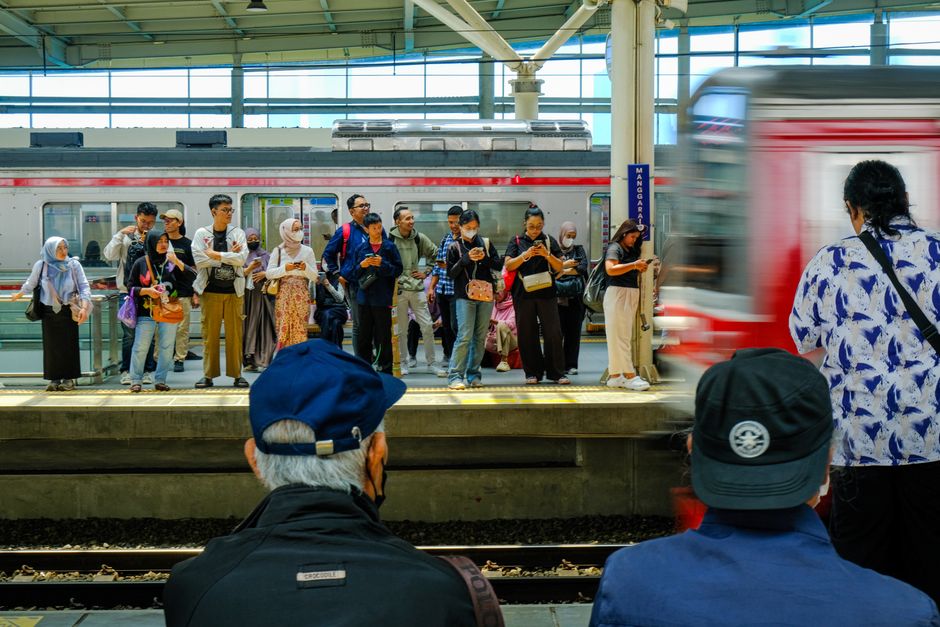
How much more can you fit into a city day when trains finally run on time again? My answer is less than most itinerary planners promise, but more than a cautious traveler expects. The trick is not stacking extra attractions. It is building a day around dependable train legs, short walks, and one protected window for the service to fail.
How much can you fit into a transit day?
My rule is one major anchor every 90 minutes of usable travel time. That means a museum, neighborhood, market, viewpoint, or booked meal gets real space on the schedule. Small stops can sit between those anchors, but they should never control the day.
Use anchors instead of attraction piles
Start with the one thing that would make the day feel successful. Give it a fixed arrival window and work outward from there. If the anchor opens at 10:00, aim to reach the station area by 9:35, not 9:59. The extra minutes cover ticket gates, platform changes, a bathroom stop, and the slow person in front of you on the escalator.
After the anchor, add one nearby stop that takes no more than 45 minutes. A bakery, market street, church, or small gallery works well. Then move to lunch. This creates a simple rhythm: one serious stop, one light stop, food, and a new district.
Protect the last train leg
Do not schedule your final major activity on the far side of the city if you have a dinner reservation, airport train, or intercity departure. Finish near the transport line that carries you onward. I leave 30 minutes of spare time for an ordinary urban train and 60 minutes for a connection that matters. That buffer feels wasteful at 2:00 p.m. It feels cheap at 8:45 p.m. when a platform closes.
What does a well-paced train day look like?
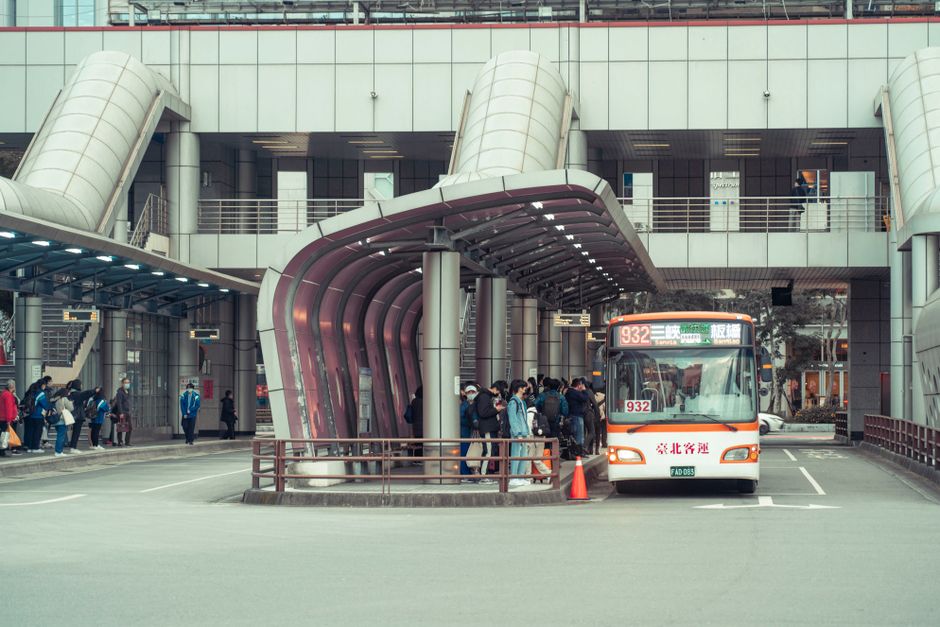
The best schedule has a firm first appointment, a relaxed middle, and an early exit from the area farthest from your hotel. The table below is the shape I use for a full day in a city with frequent rail service.
A practical one-day timetable
| Time | Plan | Reason |
|---|---|---|
| 08:00–09:00 | Breakfast and walk to the first station | Start with no connection pressure |
| 09:00–09:35 | Train to the first district | Includes a 10-minute station buffer |
| 09:45–11:30 | Major anchor attraction | Enough time to see more than the entrance hall |
| 11:30–12:15 | Short local stop and walk | Uses the area before lunch |
| 12:15–13:30 | Lunch near the next station | Food becomes a built-in recovery period |
| 13:30–14:00 | Train to the second district | One simple transfer at most |
| 14:00–17:00 | Neighborhood wandering and one paid stop | Afternoon stays flexible |
| 17:00–18:00 | Return toward the hotel or dinner area | Protects the evening plan |
Why the middle should stay loose
The 13:30 to 17:00 block is intentionally broad. You can spend longer at the museum, skip the crowded viewpoint, or sit down when your feet start to hurt. A train day fails when every ten-minute delay forces a new decision. It succeeds when the plan has room to absorb small problems.
For most travelers, this schedule supports two major stops and several small ones. That is the right target. Three major attractions across three distant districts may look efficient on a map, but the transfer time quietly replaces the experience.
Why punctual trains still need generous buffers
When a rail line returns to normal service, travelers often make the same mistake: they treat the published timetable as the whole journey. It is only the moving part. A train can arrive exactly at 10:12, yet you can still lose 15 minutes finding the correct exit, crossing a large station, or discovering that the museum entrance sits on the opposite side of the block.
The station is part of the travel time
Count the journey from the moment you leave the attraction to the moment you stand at the next destination entrance. That includes walking to the platform, waiting for the train, riding, changing lines, climbing stairs, and walking again. In a large station, the walking portion can equal the ride itself. Tokyo Station, Paris Gare du Nord, London Waterloo, and New York Penn Station all punish travelers who count only the minutes shown beside the train number.
I use a simple calculation: take the advertised rail time, add five minutes for a direct local train, add 12 minutes for one transfer, and add 20 minutes if the route crosses a major terminal. Then add the walk from the station to the actual door. This is not pessimistic. It is a way to price the parts of the trip that timetables hide.
The two-transfer ceiling
Two transfers are my hard limit for a sightseeing leg. One transfer is fine. Two can work when both stations are familiar and the lines run often. Three transfers turn a normal outing into a small operations project, especially when one missed train creates a 15-minute wait. If the route needs three changes, I look for a slower direct train, a bus, or a destination closer to the current district.
Do not confuse a train running on time with a city being easy to cross. Punctual service removes one risk. It does not remove distance, crowds, station design, or fatigue. The clear verdict is to plan around total door-to-door time and keep the final long transfer before dinner, not after it.
How to run the day without checking every timetable

My preferred setup uses one paper-light plan and one live source. I do not keep rebuilding the itinerary every time a departure shifts by three minutes. The goal is a quick check at the hotel, a quick check before each transfer, and then attention on the city.
Use these five checks
- Choose the line before the attraction. Group stops around one rail corridor instead of drawing a zigzag across the map.
- Save the station exit. A saved exit or street corner often saves more time than finding a faster train.
- Check the next two departures. If the first train is crowded or delayed, you already know the fallback.
- Keep tickets and reservations together. A screenshot, booking email, and station name should be available when reception is weak.
- Set a leave-by time. Decide in advance when you will walk away from the attraction, even if you have not seen every room.
Which transit app deserves space on your phone?
For dense metro systems, Citymapper is my first pick because its free core version combines route choices, walking legs, and live departure information in supported cities. Google Maps is the best broad backup: its free transit directions cover more places and make saved restaurants and hotels easy to connect. None of these tools removes the need for judgment. If an app offers a 7-minute transfer inside a huge station, I treat that as a warning, not a promise.
My verdict: use Citymapper for a supported metro city, Google Maps for coverage, and one saved offline screenshot as the fallback. Four apps will not make a shaky itinerary better.
What should you do when the day starts slipping?
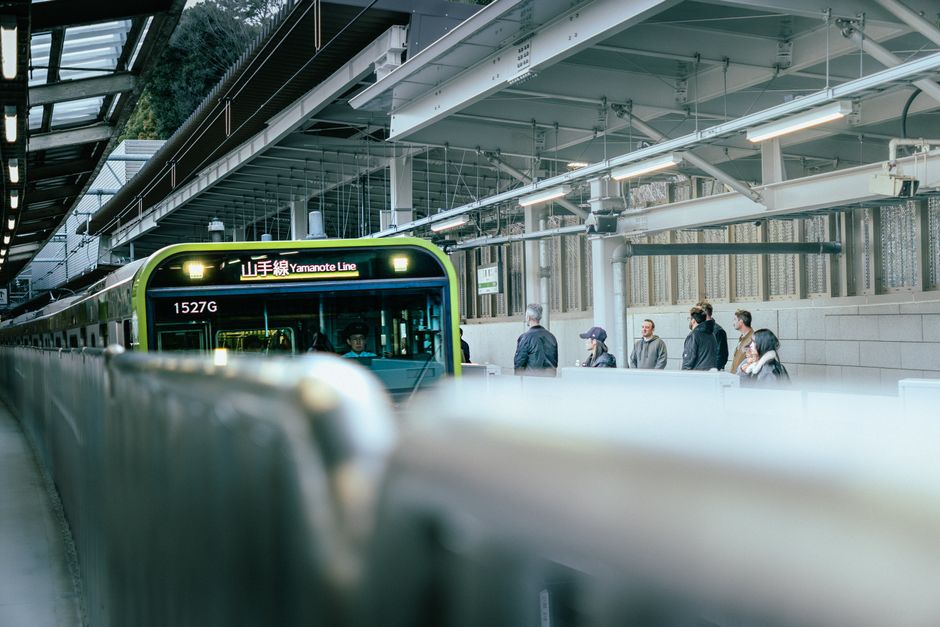
What if the first train is late?
Cut the smallest stop first. Do not shorten lunch and do not steal the buffer before a timed ticket. A 12-minute delay is harmless when it removes a coffee stop; it becomes expensive when it pushes every later connection.
What if the train is on time but the station is packed?
Stay on the same line if possible. A crowded platform is a reason to wait for the next frequent train, not a reason to invent a complicated route with two transfers. Ten extra minutes on a direct ride usually beats a rushed connection through an unfamiliar station.
When should you abandon the final attraction?
Leave it out when reaching it would require more than 45 minutes each way, a third transfer, or a timed return journey. A nearby park, bookstore, market, or long meal can provide a better afternoon than chasing one famous address across the city. The specific recommendation is simple: build a transit day around two major anchors, allow 12 to 20 minutes beyond every important train leg, and use Citymapper or Google Maps only to confirm the next move. That pace takes advantage of trains running on time without handing the whole day to the timetable.