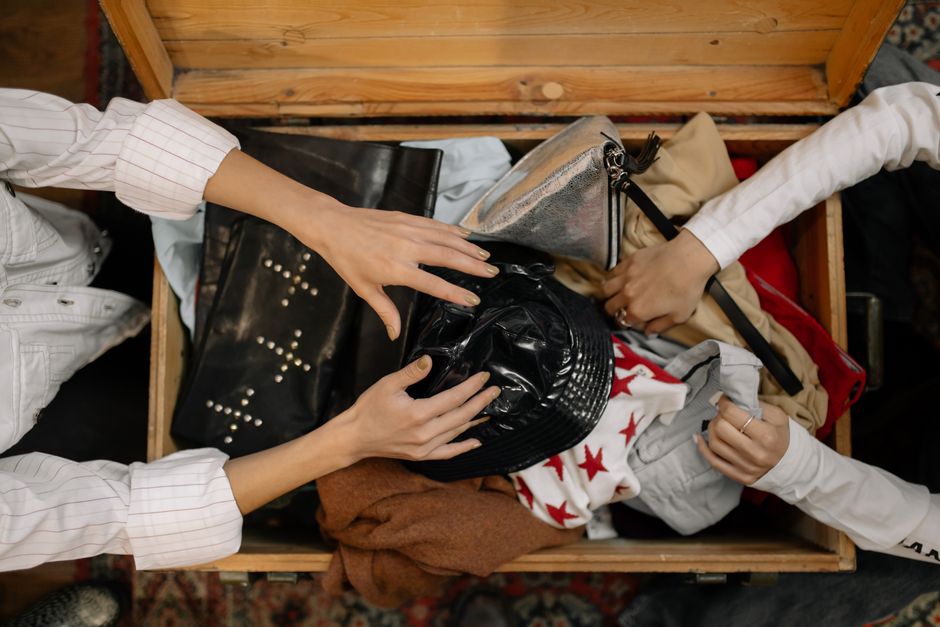
June Packing Starts With Weather, Not Fear
Pack for the forecasted conditions, then cover one real risk with one small backup. That rule removes most of the “just in case” pile before it reaches the suitcase. June trips often combine warm afternoons, cooler evenings, rain, strong sun, and air-conditioned trains or hotels. The answer is not three versions of every outfit. It is a small system built around the trip’s actual weather window.
Build a forecast window
Check the forecast seven days before departure, then check it again 24 hours before leaving. Record the expected daytime high, overnight low, rain probability, and wind. The overnight low matters more than the afternoon high for city walks, ferry rides, mountain towns, and outdoor dinners. If the forecast shows a 15-degree Fahrenheit swing between day and night, pack one insulating layer and one shell instead of several extra tops.
Use the destination’s past climate only as a warning flag. A June average does not tell you what will happen during your exact five-day trip. A forecast showing rain on one day calls for a compact rain layer, not a full wet-weather wardrobe.
Pack for the largest real risk
Choose one item for the problem most likely to disrupt the trip. That might be a light rain jacket, a dry pair of socks, a sun hat, or a warmer layer. Do not pack four responses to four unlikely problems. For a coastal trip, wind and wet shoes may matter more than heat. For a northern city, cool evenings may matter more than afternoon sun. For a hot inland destination, shade and sweat management deserve space.
My verdict is simple: use the forecast to set the core list and use one measured backup for the biggest weather risk. This approach keeps the bag useful across the whole trip without turning it into a portable storage closet.
A Five-Step Test for Every June Item

Every item should earn its space before it enters the bag. The following test works for clothing, toiletries, electronics, and “helpful” accessories that often survive packing only because they feel reassuring.
The five-item gate
- Assign a job. Write down what the item does. “Maybe useful” is not a job. “Keeps me warm on a 55-degree evening” is.
- Count expected uses. Pack items that will serve at least twice, unless they protect health, travel documents, or safety.
- Check for overlap. Two shirts in different colors may be useful. Three shirts with the same fabric, cut, and weather range are probably one decision repeated three times.
- Test the replacement plan. Ask if a hotel laundry service, local shop, pharmacy, or ordinary sink can solve the problem. If yes, the backup may not need to travel with you.
- Set a failure limit. Pack one spare for an item that can stop the trip, such as medication, glasses, or a charging cable. Do not create five spares for items that are easy to replace.
The one-bag reset
After the first packing pass, remove every item that has no scheduled use. Then remove one more item from each category. This second pass exposes emotional packing: the shirt reserved for a dinner that may not happen, the extra shoes for a dress code nobody confirmed, and the “emergency” outfit that duplicates two outfits already packed.
Keep the essentials visible during the reset. Identification, medication, payment cards, prescription details, and weather protection should not be sacrificed for a lower bag weight. A smaller bag is useful only when it still supports the trip’s real demands.
Use a simple color plan if clothing creates too many choices: two base colors, one accent, and one shoe strategy. A five-day June trip often needs three tops, two bottoms, one warmer layer, one rain layer, sleepwear, underwear, socks, and shoes that can handle the planned walking. Adjust for formal events and laundry access, not vague anxiety.
Small Gear That Earns Its Space
Gear should solve a repeated problem, reduce bulk, or protect something costly. It should not exist because a packing video made it look satisfying.
Compare capacity before buying another organizer
| Gear | Key specification | Best use | Verdict |
|---|---|---|---|
| Sea to Summit Ultra-Sil Day Pack | 20-liter capacity; lightweight ripstop packable design | Day trips, markets, beach walks, and carrying a layer | Best for travelers who need a second bag only after arrival |
| Osprey Daylite | 13-liter capacity; structured everyday daypack format | City sightseeing, camera-free day trips, and transit days | Best for comfort and organization over minimum weight |
| Patagonia Black Hole Pack 25L | 25-liter capacity; larger daily carry for layered conditions | Hiking, mixed weather, bulky layers, and longer day outings | Best when the day bag must carry real equipment |
Use gear to replace volume, not add to it
The Sea to Summit option is the clear pick for a light June itinerary because it stays out of the way until needed. The Osprey Daylite makes more sense for a traveler who values a firmer back panel and easier organization. The Patagonia Black Hole Pack 25L is the right choice for outdoor days, but it is excessive for a short museum-and-cafe schedule.
Three rules prevent gear creep: pack one day bag, use one toiletry container, and choose either packing cubes or loose folding rather than both. A smaller bag also limits souvenir space, which can protect the original goal better than another compression accessory.
Check airline personal-item limits before choosing a daypack. Dimensions vary by carrier, and a listed capacity does not guarantee that a bag fits beneath every seat. The buyer-friendly decision is the one that matches the actual transport rules, not the largest capacity available.
Travel Insurance Belongs on the List, With Exclusions
Travel insurance is not a substitute for smart packing, but it can protect the expensive parts of a trip that a spare shirt cannot. The key is to compare the coverage trigger, limit, and exclusion together. A policy that sounds broad may exclude a weather event, pre-existing condition, unattended baggage, or an activity that defines the trip.
Compare coverage by the problem it solves
| Coverage | Useful when | Warning to check | June packing connection |
|---|---|---|---|
| Trip cancellation | A covered event prevents departure | Bad weather may not qualify unless it meets the policy trigger | Do not assume a forecast alone creates a claim |
| Travel medical | You need treatment away from home | Routine care, exclusions, and deductibles vary | Carry medication details and existing-condition records |
| Baggage delay | Your checked bag arrives late | Receipts, waiting periods, and item limits apply | Keep medication, documents, and one change of clothes in your carry-on |
| Emergency evacuation | A serious medical event requires transport | Adventure activities and location limits may apply | Read the activity wording before hiking, diving, or skiing |
Read the exclusions before choosing a policy
Compare at least three quotes because premiums vary by state and individual factors, including age, trip cost, destination, medical history, and selected limits. Check the insurer’s financial-strength information, including its AM Best rating, and review any available J.D. Power score or satisfaction study as one comparison signal rather than a guarantee.
State-specific insurance rules and required disclosures can differ, so residents should read the policy documents issued for their state. Pay close attention to pre-existing-condition rules, cancellation-for-any-reason limits, alcohol exclusions, unattended-baggage language, and reimbursement deadlines. A policy may reimburse a delayed bag only after a stated number of hours and only for reasonable purchases backed by receipts.
My verdict: carry essential documents and medicine with you, then buy coverage only after matching the policy’s exclusions to the actual trip. A low quote with a large gap in medical or cancellation protection is not a saving.
June Packing Questions With Clear Answers

How many outfits belong in a five-day June bag?
Start with three tops, two bottoms, one warmer layer, one rain layer, sleepwear, underwear, socks, and one primary pair of walking shoes. Add a second pair only for a real need, such as formal clothing, beach use, or a hiking route that will make shoes wet and muddy. If laundry is available, cut the clothing count further. The strongest packing list supports the itinerary rather than an imaginary version of every day.
Should a June trip include a coat?
Usually not a full coat. Pack a thin insulating layer when overnight lows fall below your comfort range or when the route includes altitude, wind, or long evening transit. A warm shirt, fleece, or light jacket often covers more situations with less bulk. Buy a local layer only when the destination has a climate or activity your existing wardrobe cannot handle; do not purchase one before checking the forecast and airline baggage rules.
What should never go in checked luggage?
Keep medication, identity documents, payment cards, travel insurance records, essential electronics, and one basic change of clothes in your personal bag. Add glasses, contact-lens supplies, and any item that would be difficult to replace quickly. Do not rely on a checked bag for the first night’s needs, even on a direct flight. Baggage delay coverage can help with reasonable purchases, but reimbursement limits and waiting periods still apply.
For a traveler who wants the cleanest decision, the winning list is short: clothes matched to the forecast, one response to the main weather risk, and essential documents kept close. The single most important June packing choice is to pack for the forecasted trip and solve only one named risk with one small backup.