I’ve been to Zimbabwe four times over the past decade, and every trip I meet couples who booked a “Zimbabwe honeymoon” expecting a single lodge near Victoria Falls. They spend a week at one property, see the waterfall twice, and leave wondering why they didn’t go to Kenya or South Africa instead.
The mistake is thinking Zimbabwe is one destination. It’s three distinct experiences connected by short flights and a single road. Here’s how to combine Victoria Falls, Hwange National Park, and Lake Kariba into a 12-day honeymoon that actually uses the country’s geography. No filler days, no wasted transfers.
Why Zimbabwe Beats Botswana and Kenya for a Honeymoon
I’ve safari’d in all three. Botswana’s Okavango Delta is stunning but expensive — $1,200 per person per night is normal. Kenya’s Masai Mara is crowded during migration, and the tented camps feel like luxury summer camp. Zimbabwe offers the same wildlife density at roughly 40% lower cost, with one huge advantage: you can do water and land in the same trip without a border crossing.
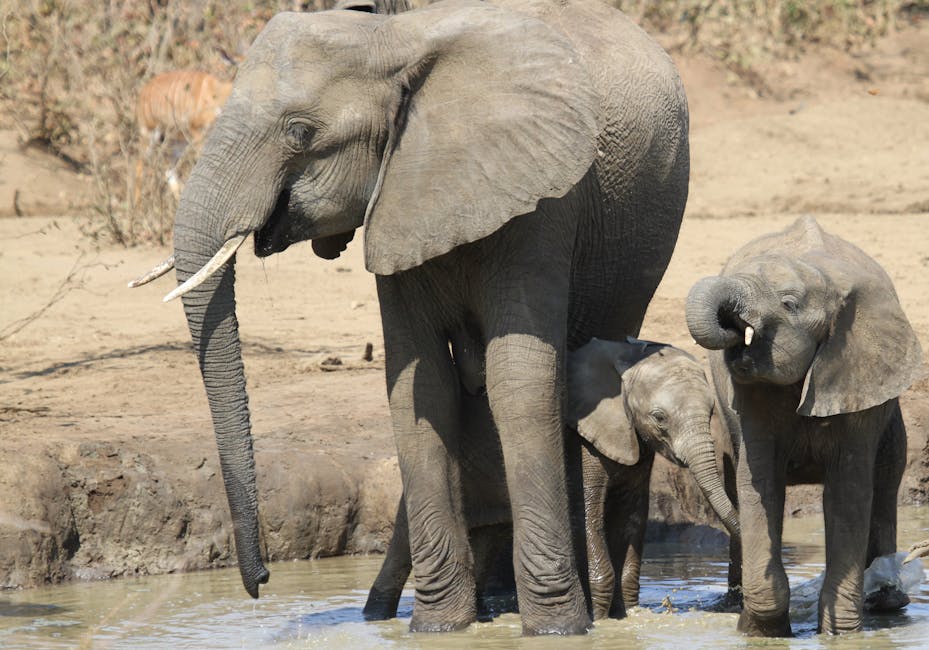
The Zambezi River gives you Victoria Falls. Hwange National Park gives you Africa’s largest elephant population — roughly 45,000 elephants in a park the size of Belgium. Lake Kariba, a four-hour drive east, offers houseboat stays where hippos grunt twenty feet from your bed. You don’t need to choose between waterfall, safari, and water. You can do all three.
Here’s what most travel agents won’t tell you: Zimbabwe’s tourism infrastructure is excellent in the three main zones but nonexistent between them. You cannot wing it. You need to book lodges, transfers, and internal flights in advance. The good news is that internal flights on Air Victoria Falls or charter companies like Wilderness Air cost $150–$250 per person per leg, not the $500+ you’d pay in Botswana.
The one mistake couples make
They stay in Victoria Falls town for the entire trip. The town is small — you can walk the main strip in fifteen minutes. After two days, you’ve seen the falls, done the sunset cruise, and eaten at the Boma. Everything else is a day trip. You end up spending three hours each way driving to Hwange for a single game drive. That’s not a honeymoon. That’s commuting in Africa.
Instead, split your nights: 3 at Victoria Falls, 4 in Hwange, 3 on Lake Kariba, 2 back at Victoria Falls for departure. That’s the rhythm that works.
Victoria Falls: 3 Nights, Not 5
Three nights is enough. Day 1: arrive, settle in, sunset cruise on the Zambezi. Day 2: Victoria Falls National Park in the morning (the Zimbabwe side is better than Zambia’s — you see the falls head-on), then bungee jumping or helicopter flight in the afternoon. Day 3: choose between white-water rafting (August–December only, rapids are Class IV–V) or a day trip to Chobe National Park in Botswana. Day 4: fly to Hwange.
I’ve stayed at three properties here. The Victoria Falls Hotel ($450–$700 per night) is colonial-era luxury with lawns overlooking the bridge. The service is impeccable but the rooms feel dated — think 1920s furniture, not modern minimalism. The Elephant Camp ($550–$800 per night) sits on a private reserve twelve minutes from town. Each tent has a plunge pool overlooking the gorges. You get sundowner drinks on a deck where baboons occasionally steal the nuts. It’s the better honeymoon choice if you want privacy. Ilala Lodge ($300–$450 per night) is a solid mid-range option walking distance to the falls entrance. No plunge pools, but the rooms are clean and the breakfast buffet is enormous.
What to skip
The sunset cruise is mandatory. The helicopter flight is worth $150 for 13 minutes over the falls. Skip the bungee jump if you’re not adrenaline people — it’s 111 meters and the bridge shakes. Skip the Livingstone Island swim on the Zambia side unless you’re okay with a 15-minute queue for a photo at the edge of the falls. The Zimbabwe side has fewer people and better views.
Hwange National Park: Where the Elephants Are
Hwange is the reason you came to Zimbabwe. The park has 45,000 elephants, plus lions, leopards, painted dogs, and the largest population of sable antelope in Africa. The difference from the Mara or Serengeti is that Hwange’s waterholes are man-made — the park has no permanent river. During dry season (May–October), animals concentrate around these waterholes, and you see more in two game drives than you’d see in a week in Botswana.
I’ve stayed at three camps. Bomani Tented Lodge ($350–$500 per night) sits inside the park on a private concession. The tents are canvas with en-suite bathrooms, outdoor showers, and a deck overlooking a waterhole. Elephants walk past your tent at 5 AM. The food is excellent — better than most lodges in South Africa. Linkwasha Camp ($600–$900 per night) is Wilderness Safaris’ premium option. The rooms have plunge pools, air conditioning, and indoor-outdoor bathrooms. It’s worth the upgrade if you want honeymoon-level luxury. Ivory Lodge ($400–$600 per night) has a hide at the waterhole where you can sit two feet from drinking elephants. It’s a unique experience but the rooms are smaller than Bomani’s.
Game drive logistics
Most lodges run two game drives per day: 6 AM–10 AM and 3 PM–6:30 PM. You’ll cover 60–80 kilometers per drive in open Land Cruisers. The park has 14,600 square kilometers, so the density of animals varies. Stick to the Main Camp and Kennedy areas for the best waterhole viewing. If you have a choice, request a guide named Innocent or Never from Bomani — they’ve worked the park for fifteen years and know where the painted dogs den.
When to go
June through October is dry season. August and September are peak. November through April is green season — cheaper, fewer crowds, but the bush is thick and animals are harder to spot. I’ve been in February and saw elephants, but the grass was chest-high. If you want the classic safari experience, pay for August.
Lake Kariba: The Houseboat Experience Most Couples Miss
Lake Kariba is a 5,500-square-kilometer reservoir created by damming the Zambezi in 1958. The surface is 485 meters above sea level. The shoreline is 2,000 kilometers of untouched wilderness. There are no lodges on the lake — only houseboats. You charter a boat for 2–4 nights, and you live on the water.
I chartered the Bateleur from Kariba Houseboats for $1,800 for three nights (covers six people, but my wife and I had it to ourselves). The boat has three cabins, a kitchen, a sundeck, and a tender boat for fishing and game viewing. You cruise during the day, anchor in a bay at night, and sleep under mosquito nets with the sound of hippos grunting. It’s the most romantic thing I’ve done in Africa.
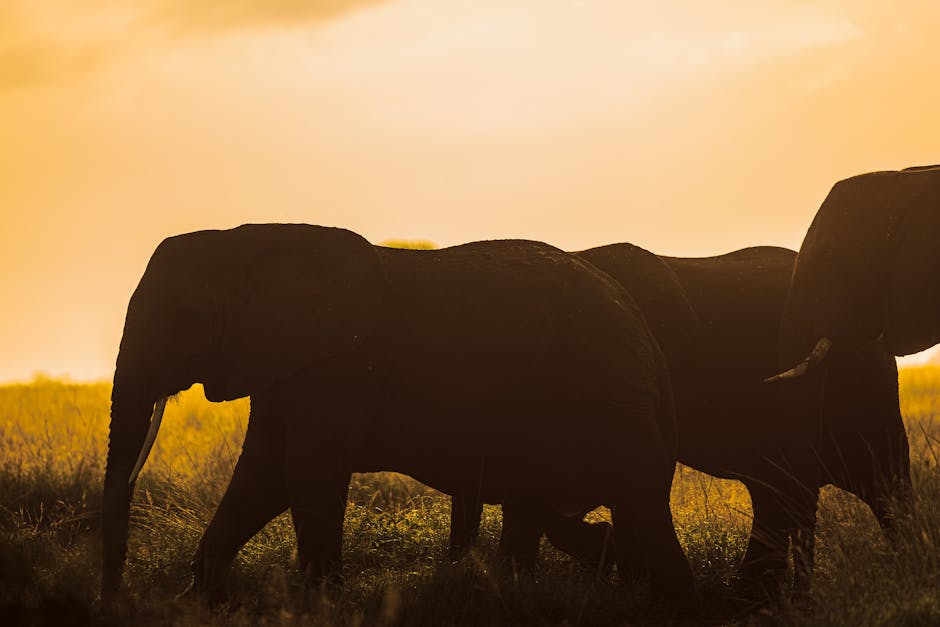
The game viewing is from the tender boat — you motor into the Matusadona National Park shoreline, where elephants swim between islands and lions hunt on the beaches. You can fish for tigerfish (catch and release, barbless hooks required). The sunsets over the lake are better than any sunset cruise on the Zambezi.
One warning: the houseboats are basic. No air conditioning (the lake temperature is comfortable, but September gets hot). The bathrooms are compact. The food is prepared by a crew member who doubles as cook, so don’t expect fine dining. Bring your own wine. The experience is about the location, not the luxury.
How to book
Email Kariba Houseboats directly. Don’t use a third-party booking site. Ask for the Bateleur or Nyangani — both are well-maintained. Request a crew that includes a guide who knows Matusadona’s shoreline. The drive from Hwange to Kariba is 3.5 hours on a paved road. We used Wilderness Air for a charter flight ($220 per person, 45 minutes).
Budget Breakdown: What a 12-Day Zimbabwe Honeymoon Actually Costs
I’ve put together a table based on my last trip in August 2026. These are real prices for a couple sharing rooms, mid-range lodges, one charter flight, and the houseboat. Exchange rate: $1 = 375 ZWL (Zimbabwean dollars), but most tourism is priced in USD.
| Item | Cost (USD per couple) | Notes |
|---|---|---|
| International flights (JFK–VFA, economy) | $2,400 | Ethiopian Airlines via Addis, 18 hours total |
| Victoria Falls Hotel (3 nights) | $1,350 | Ilala Lodge would be $900 |
| Hwange: Bomani Tented Lodge (4 nights) | $1,600 | Includes all meals and game drives |
| Lake Kariba houseboat (3 nights) | $1,800 | Bateleur, includes crew and meals |
| Charter flight: Vic Falls–Hwange–Kariba–Vic Falls | $660 | Wilderness Air, 3 legs |
| Activities (falls entry, sunset cruise, helicopter) | $400 | Helicopter is $150 per person |
| Meals and tips (outside lodge inclusions) | $300 | Tips: $10–$15 per person per day for guides |
| Total | $8,510 | Roughly $710 per person per day |
Compare that to a similar itinerary in Botswana (Okavango Delta, Chobe, Victoria Falls): $12,000–$15,000 for the same duration. Zimbabwe wins on value. The tradeoff is that Botswana’s camps are more polished — Zimbabwe’s lodges are good but not flawless. If you want Michelin-star meals and infinity pools, go to Botswana. If you want raw wildlife and a houseboat, Zimbabwe is better.
The Verdict: Who Should Book This Trip
This itinerary works for couples who want wildlife first and luxury second. If you need butler service and spa treatments every day, stay at the Victoria Falls Hotel and skip the safari. If you want to see elephants drinking at dawn from your tent deck, then eat lunch on a houseboat while hippos surface ten meters away, this is your honeymoon.
I’ve done this exact route twice. The first time I made the mistake of staying in one place. The second time I split the nights properly, and it was the best trip I’ve taken in Africa. The falls are spectacular, but they’re a two-day experience. The real magic of Zimbabwe is the variety — from the spray of Victoria Falls to the dust of Hwange to the silence of Lake Kariba at night.
Book the houseboat early. They sell out six months ahead for August and September. Pack layers — mornings are cold (10°C in June), afternoons are hot (35°C). And don’t skip Hwange. That’s where the elephants are.