
South America is not a single danger zone. The risk profile in Buenos Aires is different from Medellín, which is different from Cusco. The single biggest mistake solo women make is treating the entire continent as one threat. It’s not. You need to adjust your behavior block by block, city by city. This guide gives you the exact protocols I used across 14 countries in South America over 18 months. No vague advice. Just what works.
Pick Accommodation That Prioritizes Safety, Not Just Price
The cheapest hostel bed in La Paz might save you $5 a night — and cost you your laptop. I’ve stayed in over 40 hostels and hotels across the continent. Here’s what matters.
The 3-Floor Rule and the 24-Hour Reception Test
Never book ground-floor rooms with windows facing the street. In cities like Rio de Janeiro or Quito, thieves grab bags through open windows in seconds. Always request a room on floor 3 or higher. Also, verify the reception is staffed 24 hours. If the front desk closes at 10 PM, you’re locked out or vulnerable. I use Booking.com’s filter “24-hour front desk” every time.
Hostel Dorm Layout Checks
Look at photos of the dorm. Are the lockers inside the room or in a hallway? Hallway lockers get broken into. I only book hostels where each bed has a locker large enough for a 40L backpack. Bring your own padlock — the Master Lock 1500iD ($12) has a hardened steel shackle that resists bolt cutters. Hostel-provided locks are often cheap and cuttable.
Neighborhood Scouting Before You Arrive
Use Google Street View to check the block around your accommodation. Look for bars on windows, security gates, and well-lit streets. If the street view shows broken sidewalks, trash, and dark alleys, find another place. I also check the “Safety” tab on Rome2Rio for recent traveler reports about specific neighborhoods.
Transport Safety: Buses, Taxis, and Rideshares

Getting from point A to point B is where most incidents happen. The wrong taxi in Lima or Bogotá can lead to robbery or worse. Here’s the system.
Never Hail Street Taxis in Major Cities
In Buenos Aires, Bogotá, Lima, and São Paulo, unlicensed taxis are a known risk. Drivers work with accomplices who rob passengers. Always use Uber or Cabify (Latin America’s Uber alternative). In cities where Uber is banned (like parts of Colombia), use the official taxi app — Easy Taxi in Bogotá, Beat in Lima. The cost difference is $1-3. Worth it.
Overnight Buses: Choose the Right Company and Seat
Overnight buses are common for long distances like Lima to Cusco (21 hours) or Buenos Aires to Mendoza (14 hours). Book with companies that have a safety reputation: Cruz del Sur (Peru), Pullman Bus (Chile), or Flecha Bus (Argentina). Always pick a cama (fully reclining) seat on the upper deck. Keep your daypack on your lap, not in the overhead rack. I use a Pacsafe V80 anti-theft backpack ($90) that locks zippers and has a slash-proof wire mesh.
What to Do When Your Bus Breaks Down at Night
This happens more than you’d think. In Bolivia, my bus stopped at 2 AM in the middle of the Altiplano. The driver said repairs would take 4 hours. I stayed on the bus with my bag strapped to me, did not get off to “stretch my legs” with the other passengers. Two people got robbed outside. Stay put, keep your valuables on your body, and wait for daylight.
Scams Targeting Solo Women (and How to Spot Them)
Scammers in South America are good. They’ve been running the same plays for decades. Solo women are targets because you look like you’re alone and unsure. Here are the three most common scams I saw or experienced.
| Scam Name | How It Works | How to Avoid It |
|---|---|---|
| The Mustard Stain | Someone “accidentally” squirts mustard or ketchup on your bag, then a “helpful” person offers to clean it — and steals your wallet while wiping. | Keep your bag zipped and in front of you. Refuse all help. Walk away immediately. |
| The Fake Police Officer | A person in a fake uniform stops you, claims you’re carrying counterfeit money, and asks to inspect your wallet. They swap your real cash for fake bills. | Ask for their badge number and insist on going to the nearest police station. Real officers will comply. Scammers will disappear. |
| The Spiked Drink at Hostel Bars | Someone offers to buy you a drink at a hostel bar. They spike it while you’re not watching. | Watch your drink being poured. Never leave it unattended. Use a NightCap drink cover ($15) — it’s a silicone lid that fits over any glass. |
One more: the “friendly local” who offers to show you around for free. After a few hours, they demand payment or lead you to an ATM. I had this happen in Cartagena. I said I had no cash and walked into a crowded store. He left.
Digital Security: Your Phone and Laptop Are Targets
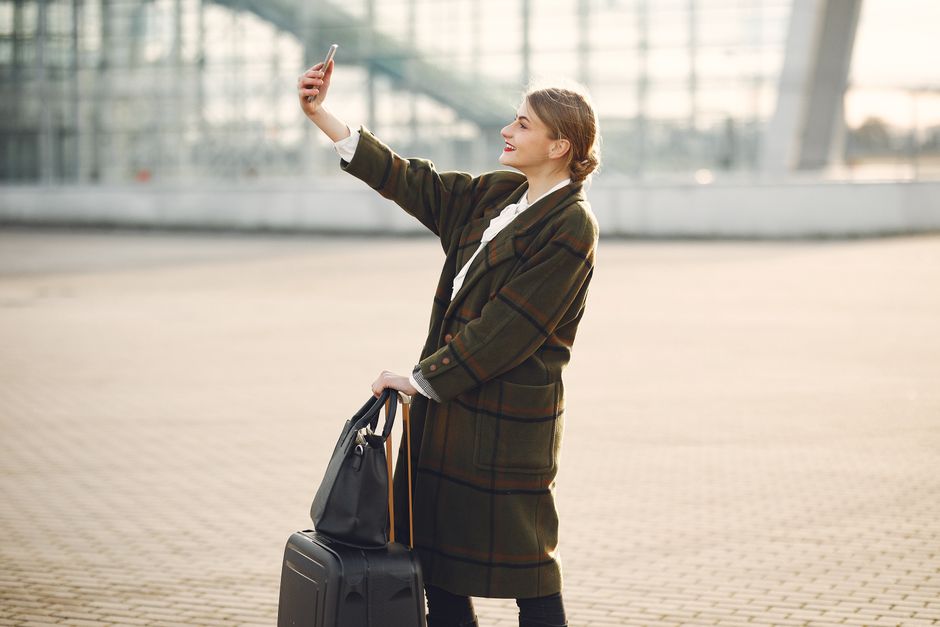
Phone snatching is an epidemic in South America. In Buenos Aires, it’s common for thieves on scooters to grab phones from pedestrians. In Bogotá, they use knives. You need a system.
The Two-Phone Strategy
Carry a cheap burner phone (a used Motorola Moto G for $50) for daytime use. Keep your real phone (iPhone or Samsung) locked in your accommodation safe. The burner handles Google Maps, WhatsApp, and Uber. If it gets stolen, you lose $50, not $1,000. I did this for 6 months and never worried about using my phone on the street.
Backup Your Data Before You Go
Before leaving, back up your phone to iCloud or Google Drive. Also, write down your WhatsApp backup password and store it in a password manager (Bitwarden is free). If your phone is stolen, you can restore everything on a new device within an hour. I also enable “Find My Device” and set a lock screen message with a friend’s phone number.
Public Wi-Fi Rules
Never log into banking apps on hostel or café Wi-Fi. Use a VPN — I use NordVPN ($3.99/month for the 2-year plan). It encrypts all your traffic. Also, turn off automatic Wi-Fi connection on your phone. Thieves set up fake “Free Wi-Fi” networks to steal your data.
What to Do When Something Goes Wrong
Despite all precautions, bad things happen. A bag gets stolen. You feel followed. Someone threatens you. Here’s the protocol.
Immediate Actions After a Robbery
First, get to a safe place — a crowded café, a hotel lobby, or a police station. Do not chase the thief. Do not fight back for your bag. Your life is worth more than a laptop. Then, call your bank to freeze cards. Use the free app Wise to transfer emergency funds from your home account to a digital card. I keep $200 in cash hidden inside a fake shampoo bottle in my toiletries bag — thieves rarely check toiletries.
How to File a Police Report (Denuncia)
You need a police report for insurance claims. In most South American countries, you file online. In Peru, use the “Denuncia Virtual” portal. In Colombia, go to a “CAI” (police station). Download the Google Translate app offline so you can communicate. Bring your passport and a printed copy of your itinerary. The process takes 2-4 hours. Be patient.
Contacting Your Embassy
Every country has a 24-hour emergency line for your embassy. Save the number in your phone before you go. For US citizens, the Smart Traveler Enrollment Program (STEP) sends alerts and connects you to the nearest embassy. I registered for STEP before every new country. They helped a friend whose passport was stolen in Santiago within 12 hours.
When NOT to Travel Solo in South America
This is the honest section. Some places are genuinely dangerous for solo women right now, regardless of your precautions.
The Darién Gap (between Colombia and Panama) is not a solo travel route. It’s controlled by armed groups. Do not attempt it alone. The Venezuelan border regions (especially crossing from Colombia to Venezuela) have high rates of kidnapping and robbery. Skip them. Night buses in Bolivia between La Paz and Uyuni have a history of armed robberies. Take the daytime bus instead. Certain favelas in Rio de Janeiro are off-limits even with a guide. Do not go alone.
Also, if you have a medical condition that requires regular medication, think twice about remote areas like the Amazon basin or the Atacama desert. Access to pharmacies is limited. I met a woman in Peru who needed insulin and couldn’t find it for three days. That’s a safety issue.
If you’re a beginner solo traveler, start with Chile or Argentina. They have better infrastructure, reliable public transport, and lower crime rates in tourist areas. Save Bolivia and Colombia for after you’ve built up your street smarts.
The Only Safety App You Need
Download Maps.me (free). It works offline with GPS. Download the map of each country before you arrive. It shows walking paths, bus stops, and police stations. I used it to navigate Medellín’s metro system and find the safest route from my hostel to the grocery store. No data connection needed.
Also get WhatsApp (free). Every hostel, tour operator, and local contact in South America uses it. Share your live location with a trusted friend back home every evening. I sent my mom my location every night at 8 PM. If I didn’t, she’d call. That simple habit gave both of us peace of mind.
That’s it. No 10-step complicated system. Pick the right accommodation, use the right transport, spot the scams, protect your phone, know what to do if something goes wrong, and know when to skip a destination entirely. South America is incredible. The Andes, the Amazon, the coastlines — you deserve to see them. You just need to see them smart.