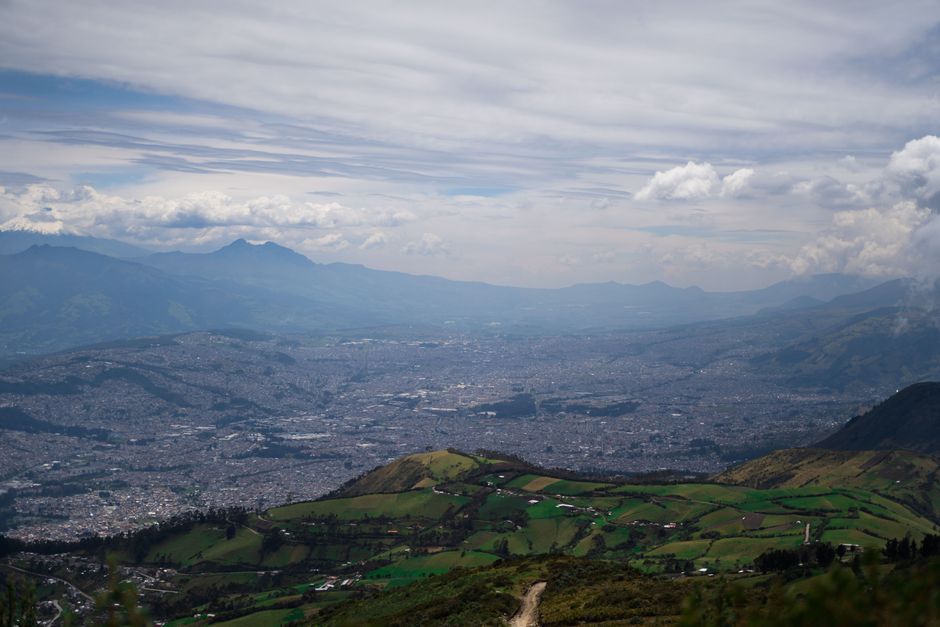
You land in Bogotá. Jet-lagged, altitude-sick, and some guy in your hostel is already talking about the Pablo Escobar tour. You didn’t fly ten hours to see a Netflix set. You want the real country — the one with cloud forests, desert canyons, and coffee farms where the only gringo is you.
I’ve spent months backpacking Colombia. Not the highlight reel version. The one where buses break down outside Neiva, where you learn to say “no, gracias” to touts, and where you realize the best meal of your trip cost $3 at a roadside stand with no sign. This is the route that actually works.
Forget the classic Bogotá–Medellín–Cartagena triangle. It’s fine. It’s also overcrowded and overpriced. Here’s a better way.
The Route That Actually Works
Most backpackers do Colombia backwards. They rush from Bogotá to Medellín in a week, skip the south entirely, and then complain the country felt “touristy.” The problem isn’t Colombia. It’s their route.
Here’s my take: start south, move north, end on the coast. You’ll acclimatize slowly, hit the best landscapes before the crowds, and finish with beach time when you’re tired of buses.
| Stop | Nights | Why It’s Worth It | Bus From Previous Stop |
|---|---|---|---|
| Bogotá | 2 | Altitude adjustment, La Candelaria, cheap flights in | — |
| Salento | 3 | Cocora Valley, coffee farms, small-town chill | 7 hrs from Bogotá |
| Tatacoa Desert | 2 | Otherworldly red canyons, $3 hostels, zero crowds | 8 hrs from Salento via Armenia |
| San Agustín | 3 | Ancient statues, waterfalls, no one speaks English | 6 hrs from Neiva |
| Minca | 3 | Mountain jungle, waterfalls, birdwatching | Fly Neiva to Santa Marta, then 45 min taxi |
| Cartagena | 2 | End on the Caribbean, eat ceviche, fly home | 5 hrs from Santa Marta |
Total: 15 nights. That’s enough time to actually feel each place, not just photograph it and run. If you have three weeks, add two nights in Medellín between Salento and Tatacoa. If you have a month, add the Lost City trek from Minca.
What This Route Costs in 2026
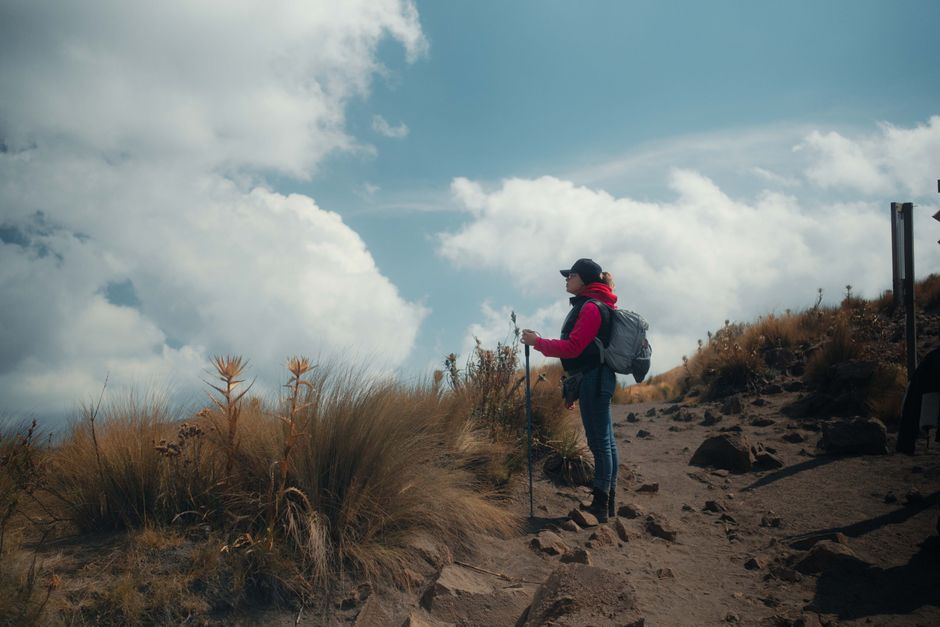
Colombia isn’t the $10-a-day paradise it was in 2015. But it’s still far cheaper than Costa Rica or Peru. Here’s what I actually spent, not what some influencer claims.
- Dorm bed: 25,000–45,000 COP ($6–11). Tatacoa and San Agustín are at the low end. Cartagena is the high end.
- Local lunch (menu del día): 12,000–18,000 COP ($3–4.50). Always ask for the menu del día, never order à la carte.
- Bus travel: 40,000–80,000 COP ($10–20) per 6–8 hour leg. Overnight buses cost more but save a hostel night.
- Coffee farm tour in Salento: 30,000–60,000 COP ($7.50–15). Worth every peso.
- Lost City trek from Minca: 1,400,000–1,800,000 COP ($350–450). Expensive but life-changing. Book in person, not online.
Realistic daily budget: $35–50 per day including everything. That’s comfortable backpacker level. You can go lower if you cook hostel meals and skip tours. You’ll go higher if you drink every night.
Safety: What People Get Wrong
Let’s address the elephant. Colombia has a reputation. Some of it is earned. Most of it is outdated or misdirected.
Here’s what I’ll tell you: the biggest risk in Colombia is petty theft, not violence. Phone snatching in big cities. Bags left under bus seats. ATM skimmers in tourist areas. The stuff that happens in Barcelona or Rome, just with more Spanish.
What actually keeps you safe:
- Don’t walk alone late at night in Bogotá or Cali. Take a taxi. It costs $3. Stop being cheap.
- Keep your phone in your front pocket or a zipped bag. Don’t scroll on the street.
- Use ATMs inside banks or malls, not standalone machines on dark corners.
- Don’t buy drugs. This isn’t moralizing. It’s logistics. Drug zones are where tourists get robbed or worse.
- Trust your gut. If a street feels wrong, turn around. You don’t need a reason.
I walked alone through San Agustín at 10pm and felt safer than in parts of Chicago. I also got my phone snatched in Bogotá at 2pm because I was careless. The difference was me, not the country.
Buses: The Real Backpacker Experience
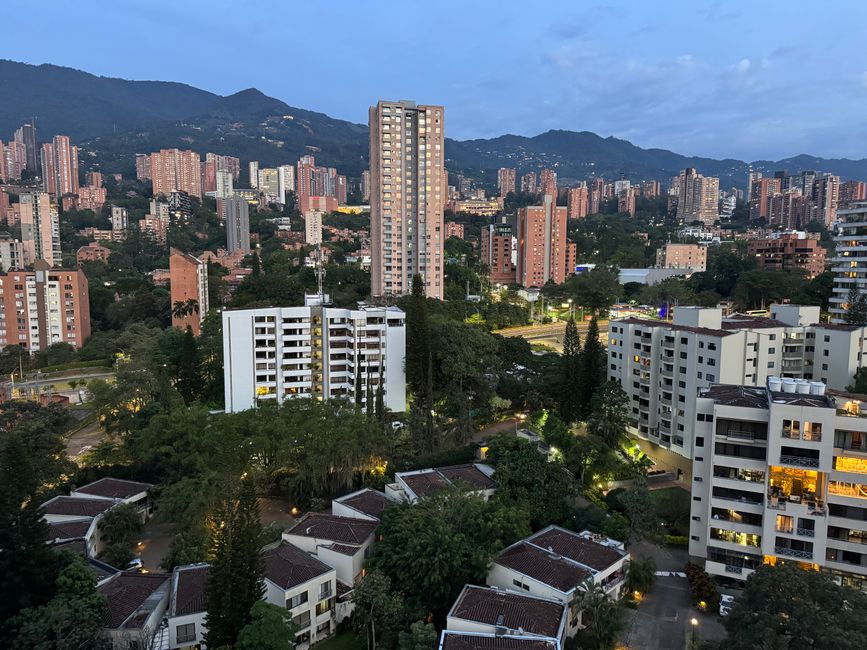
You’ll spend a lot of time on buses. Learn to love them or fly. Here’s the truth about Colombian bus travel.
There are three tiers. Local buses (colectivos, chivas) are cheapest and slowest. They stop everywhere, play vallenato music at full volume, and carry chickens. You ride them for short hops and for the experience. Intercity buses from companies like Bolivariano, Flota Magdalena, and Expreso Brasilia are comfortable, punctual, and cheap. Book at the terminal, not online. Overnight buses are hit or miss. The AC is arctic. Bring a hoodie and earplugs.
One mistake I see constantly: backpackers booking bus tickets online through third-party sites and paying double. Don’t. Go to the terminal the day before. Buy your ticket in person. You’ll pay 30–50% less and can see the bus before you commit.
Which bus companies to trust
Bolivariano is the most reliable for long distances. Flota Magdalena covers the coast well. Expreso Brasilia is fine but older buses. For short hops, just ask at your hostel which colectivo to take.
Minca: The Best Stop Nobody Talks About
If you only add one place from this article, make it Minca. It’s a tiny mountain town above Santa Marta. No beaches. No clubs. Just jungle, waterfalls, and coffee farms.
Stay at Casa Loma Minca or Hostal Sierra Minca. Both have hammocks with views that’ll ruin every other view for the rest of your trip. Hike to Pozo Azul (free, 45 minutes) in the morning. Do a coffee tour at Finca La Victoria in the afternoon. Eat at Lazy Cat — the best vegetarian food in northern Colombia, and I say that as someone who eats meat.
Minca is what backpacker towns used to be before Instagram found them. Go now. In five years it’ll be Tulum with more rain.
What to Skip (And Why)
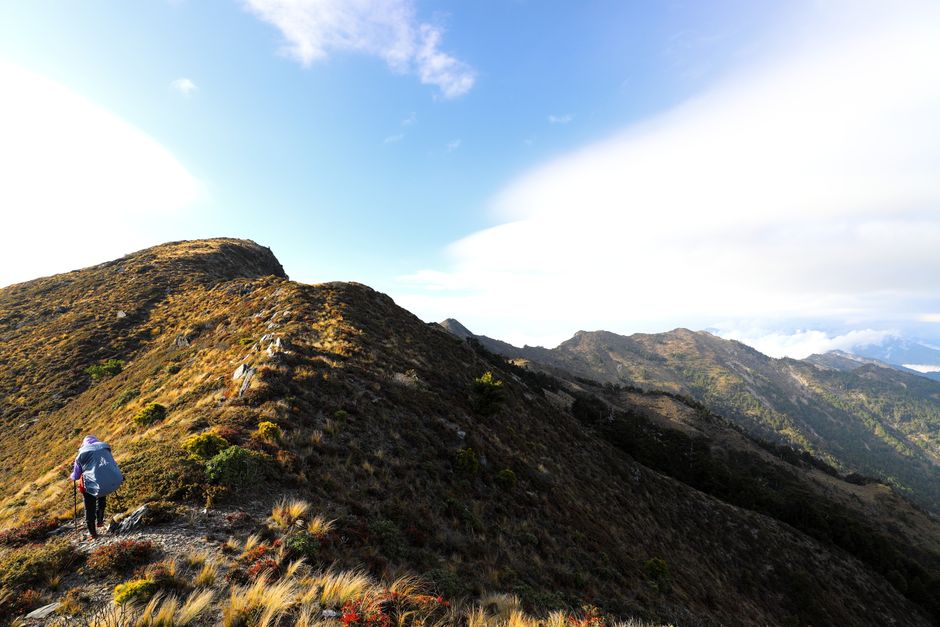
Not every famous place deserves your time. Here’s what I’d cut without hesitation.
Guatapé. Yes, the rock is pretty. So are 500 other rocks in South America. The town is a day-trip theme park now. If you’re in Medellín and have a free day, fine. But don’t plan your trip around it.
San Andrés. Overpriced, overcrowded, and the reefs are dying. If you want Caribbean beaches, go to the coast near Palomino or to Providencia if you have time and money.
The Pablo Escobar tour. Skip it. Not because it’s offensive (it is) but because it’s a waste of a day. You’ll learn more about Colombia’s history from talking to locals than from a guy with a laminated photo book charging $40.
Tayrona National Park. Controversial take, but here’s the thing: it’s beautiful and absolutely mobbed. If you go, go midweek and sleep outside the park. The beaches inside are nice but not worth the entry fee plus the crowds. Minca’s waterfalls are better value.
The One Thing You Must Get Right
Colombia will break your heart if you rush it. The country is huge. The buses are slow. The altitude is real. The magic is in the small moments — the coffee farmer explaining his process, the salsa bar where you’re the only foreigner, the desert sunset that makes you forget your phone exists.
Plan less. Stay longer in fewer places. Talk to people. Eat the street food. Learn ten words of Spanish and use them badly.
Colombia rewards slow travelers and punishes checkbox tourists.