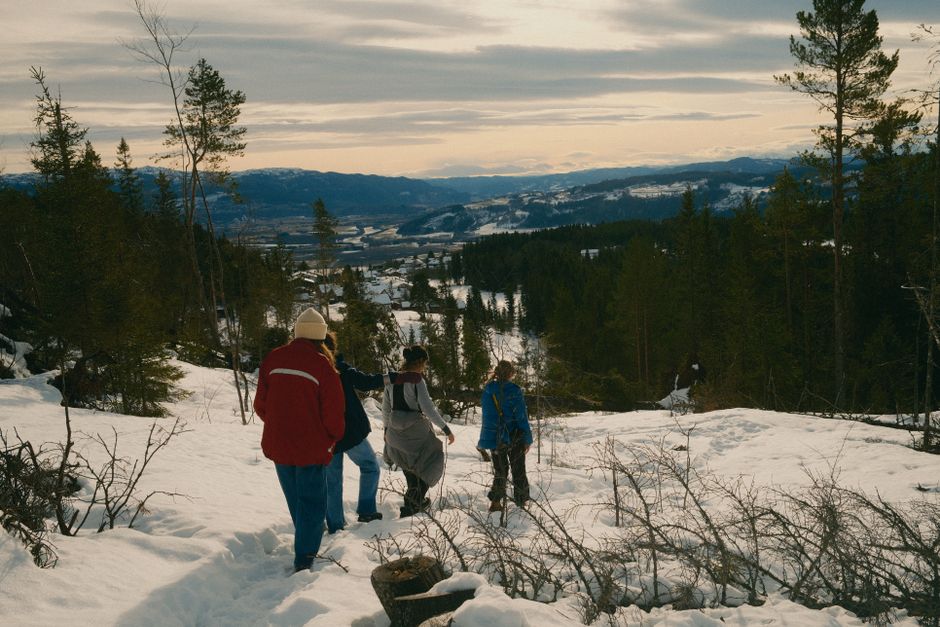
You arrive in Yellowstone expecting a quiet snowshoe through steaming geyser basins, followed by a warm soak in a natural hot spring. Then you discover that most park roads are closed to cars, the best trails require oversnow transport, and soaking in Yellowstone’s hot springs is illegal.
The trip still works. It just needs the right plan. Snowshoe the thermal landscapes, stay on the marked routes, and use a commercial hot-spring pool outside the park when you want to get in the water.
Can You Soak in Yellowstone Hot Springs in Winter?
No. Yellowstone’s famous hot springs are for viewing, not bathing. The water can reach or exceed the boiling point, and the ground around a spring may be a thin crust over scalding water. A winter layer of snow makes that danger harder to see, not safer.
The rule is simple
Stay on boardwalks and designated trails in thermal areas. Keep your hands and feet out of the water, do not step across the snow beside a boardwalk, and never follow animal tracks around a geyser basin. Yellowstone National Park says swimming or bathing in water that is entirely of thermal origin is prohibited. Its thermal-area safety guidance also warns that more than 20 people have died from burns after entering or falling into hot springs.
That is not a technicality. It is the central planning fact for this trip.
What about Boiling River and Firehole River?
Do not build your itinerary around either place. The current Yellowstone conditions page says Boiling River swimming is not possible because of damage from the 2022 floods. The Firehole River Swim Area is also closed and is normally a seasonal swimming area, not a winter hot spring.
For a legal soak, use a developed pool outside the park. Yellowstone Hot Springs near Gardiner and Chico Hot Springs farther north are the practical alternatives. Check their hours, road conditions, and admission fees before leaving. Inside Yellowstone, the best hot-spring experience is steam rising over white snow at Mammoth, Old Faithful, or a geyser basin boardwalk.
Where Should You Snowshoe in Yellowstone?
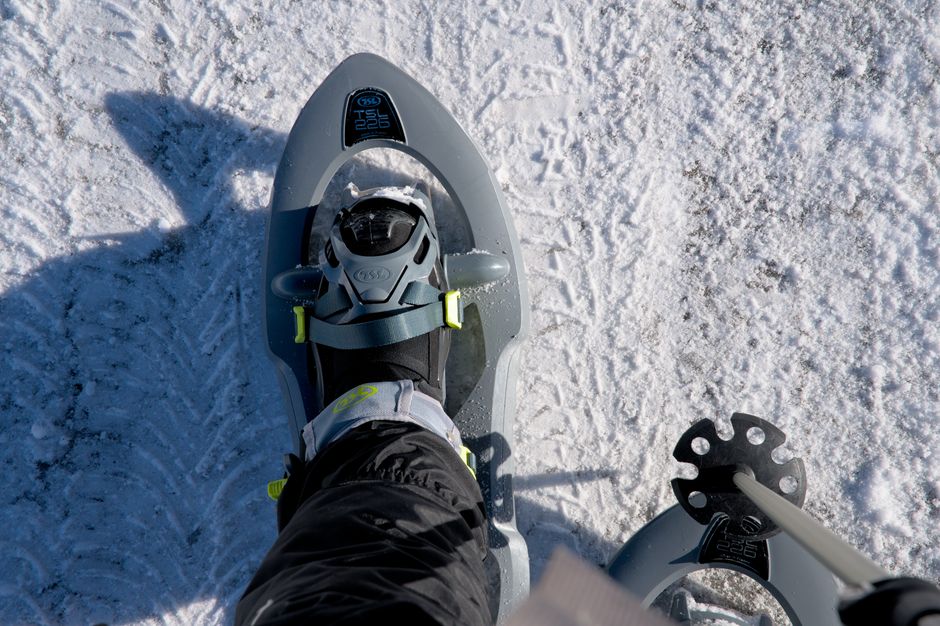
Mammoth is the easiest base for a first winter snowshoe trip. You can reach it by regular vehicle through the North Entrance, weather permitting, and you do not need to gamble your entire day on an oversnow transfer. The park’s northern roads and trails also give you access to wildlife viewing around Lamar Valley.
Mammoth and the northern road
Start with the Upper Terraces around Mammoth Hot Springs. The route combines packed snow, icy boardwalks, steam, and wide views across the northern range. The old Bunsen Peak road and nearby routes can work for stronger snowshoers, but conditions change quickly. Ask at the Albright Visitor Centre about snow depth, avalanche concerns, wildlife activity, and recent trail breaking.
The road from Mammoth toward Tower and the Northeast Entrance is also valuable. You may see bison, elk, coyotes, wolves, and ravens along the northern range. Keep your distance: at least 25 yards from bison and other large animals, and 100 yards from bears, wolves, and cougars.
Old Faithful and Canyon access
Old Faithful offers the most dramatic combination of snowshoeing and thermal scenery, but access is harder. Most roads in the park close to regular vehicles during winter. The National Park Service says visitors need a guided snowmobile or snowcoach tour, or a qualifying permit, to reach the Canyon and Old Faithful areas. The park’s skiing and snowshoeing page lists area trails and current access rules.
- Choose Mammoth if you want flexible driving, short walks, and easier escape options during bad weather.
- Choose Old Faithful if geyser basins and a full oversnow experience matter more than flexibility.
- Choose West Yellowstone if you want the largest selection of guided snowcoach and snowmobile departures.
- Choose the northern range if wildlife matters more than iconic geyser views.
Do not assume a trail shown on a summer map will be easy in January. Deep snow, open streams, thin ice, avalanche terrain, and thermal ground can change a short walk into a serious backcountry problem.
What Is the Best Three-Day Winter Plan?
Book the oversnow transfer first if Old Faithful or the Canyon is the main goal. Lodging is pointless if the route into the park is sold out or closed by weather. Dates can change with snow and operating conditions.
Plan around access, not map distance
| Day | Base | Main activity | Practical timing | Reason to choose it |
|---|---|---|---|---|
| 1 | Gardiner or Mammoth | Upper Terraces snowshoe and Fort Yellowstone walk | 9 a.m. to 3 p.m. | Regular vehicle access and easy exit if weather worsens |
| 2 | Old Faithful Snow Lodge or West Yellowstone | Snowcoach transfer, Upper Geyser Basin, short snowshoe route | Early departure to late afternoon | Best thermal scenery and winter steam |
| 3 | Mammoth or Gardiner | Lamar Valley wildlife drive and a short trail near Tower | Dawn to mid-afternoon | Wildlife viewing without another long oversnow transfer |
| Evening | Outside Yellowstone | Commercial hot-spring pool | After returning before dark | Legal soaking in a controlled facility |
Build in a real soak alternative
The table works because it separates two activities people often confuse. Thermal sightseeing belongs inside Yellowstone. Soaking belongs at a developed pool outside the park. Do not plan a long snowshoe, a late geyser-basin walk, and an evening drive on icy roads just to chase a natural soak that may be closed.
Stay at Old Faithful Snow Lodge if the geyser basin is the priority. Stay in Gardiner if you want the least complicated logistics. West Yellowstone is the strongest choice for guided oversnow options, but it leaves you dependent on tour schedules and road conditions.
What Do First-Time Visitors Get Wrong?
The biggest mistake is treating Yellowstone like a normal winter road trip. It is a large wilderness park with limited winter services, long distances, weak cell coverage, and weather that can close routes without much warning.
Do I need a snowcoach?
You need one for the interior if you are not using an authorized snowmobile option or an approved permit. You do not need one for Mammoth, the North Entrance, or the northern road when those routes are open to regular vehicles. Check road status shortly before leaving and again on the morning of the trip. The National Park Service warns that roads can close because of snow, ice, whiteouts, or avalanche conditions.
Is snowshoeing safe for beginners?
Yes, on a short marked route with current conditions and the right clothing. No, if you plan to wander off-trail around a geyser basin or follow an untracked route alone. Stay on designated trails near thermal features, avoid travel after dark, and turn around when the route becomes difficult. A guide is worth the cost for Old Faithful, Canyon, or any route involving avalanche terrain.
What is the final call?
Snowshoe by day, soak outside the park. Base your first trip in Mammoth or Gardiner, use the Upper Terraces for an accessible thermal walk, reserve an oversnow tour only when Old Faithful or the Canyon justifies the extra logistics, and keep one full day for the northern range. That plan gives you real snowshoeing, winter wildlife, and steaming hot springs without breaking park rules or betting your safety on a hidden pool.