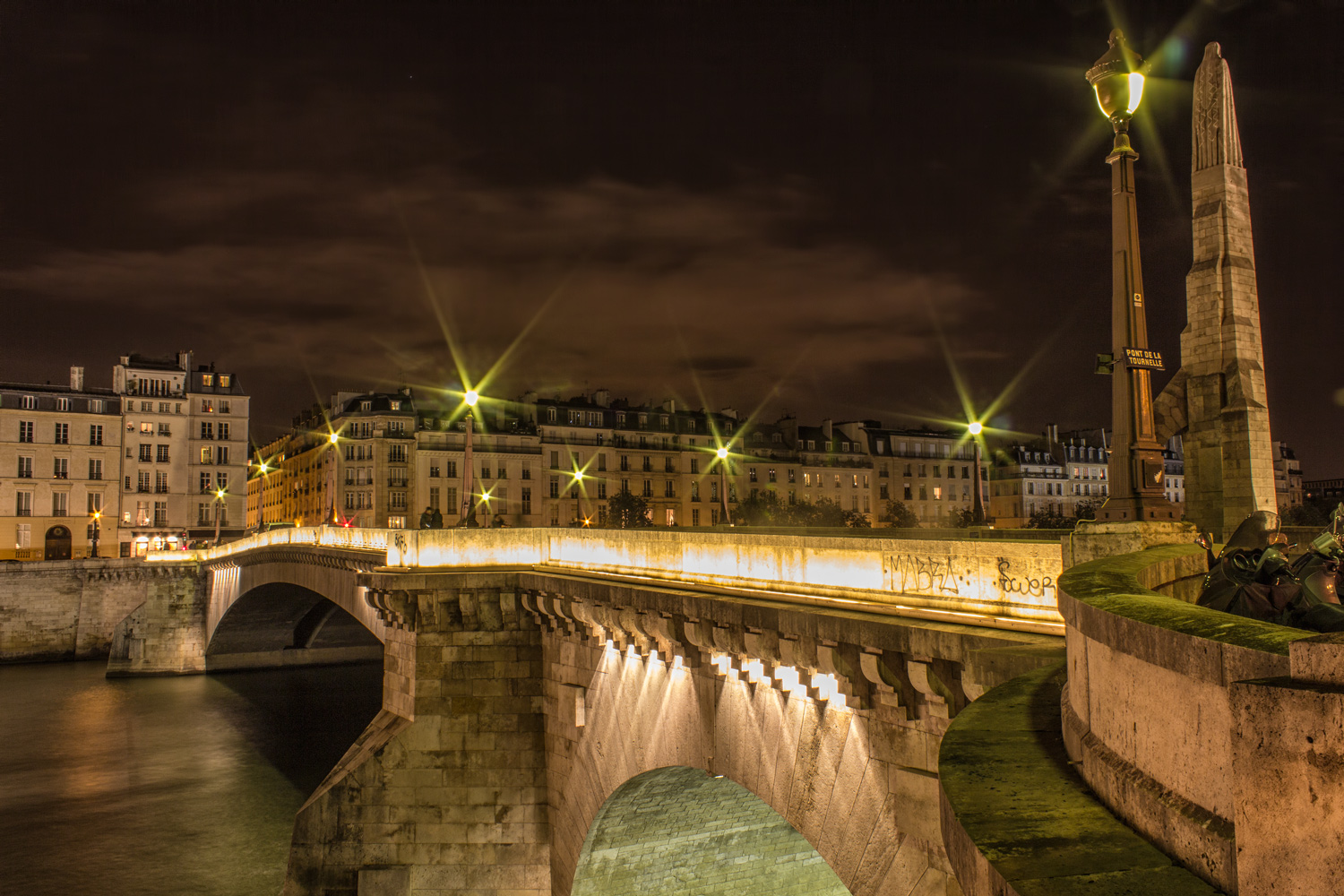
The Eiffel Tower receives more than 7 million visitors per year — the most visited paid monument on the planet. Most of them spend a significant chunk of their trip standing in lines. Here’s how to plan differently.
Paris’s iconic sites are genuinely worth seeing. The problem is almost never the site itself — it’s the logistics around it. Get those right and the city delivers on every expectation. Miss them and you spend Day 1 in a queue and Day 2 exhausted, wondering what the fuss was about.
How to Visit the Eiffel Tower Without Queuing for 3 Hours
The single biggest mistake first-timers make: showing up at the tower without tickets and joining the standby line. During peak season — June through August — that queue can mean a 2-3 hour wait before you reach the base. Online tickets sell out weeks in advance. Book directly at the official Eiffel Tower website the moment your travel dates are confirmed, not the night before you fly.
Two decisions matter when booking: which floor you want, and what time slot you pick. Both affect your experience more than people expect.
Summit vs. Second Floor — Pick the Right Ticket
The summit ticket costs €29.40 per adult. The second floor is €18.80. For most visitors, the second floor is the smarter choice. Views from 115 meters are extraordinary — Paris spreads out in every direction with nothing blocking the sightlines. The summit adds 58 more meters of height and a noticeably longer secondary queue. Even after clearing the main entrance with a timed ticket, the summit lift wait can add 45 minutes. That’s a lot of standing for a modest improvement in perspective.
Exception: if this is a special trip and you specifically want to say you stood at the very top, book the summit. Just go on a weekday, take the first slot of the day, and arrive 10 minutes early.
The Right Time Slot to Book
Two windows work well. First thing in the morning — 9:00am or 9:30am depending on season — gets you the lightest crowds. Late afternoon starting around 5pm gives you something better: golden hour light, the transition from day to dusk, and the Eiffel Tower light show.
Every evening after dark, the tower sparkles with 20,000 gold-tinted bulbs for exactly 5 minutes at the top of each hour, running until 1am. If you time your visit to exit the second floor around 9pm, you can watch it from the Trocadéro across the Seine with the reflection in the fountains below. That’s the version of the Eiffel Tower that actually looks like the photographs.
What the Ticket Doesn’t Cover
The stairs to the second floor are included with any ticket. The elevator to the summit requires the summit-level ticket. There’s a champagne bar at the top (€33 a glass). Skip it. The Jules Verne restaurant on the second floor starts at around €105 per person for lunch and requires a separate reservation made months in advance. Also skip it unless you’re celebrating something specific.
The Champ de Mars park directly below the tower is free and genuinely pleasant. Pick up supplies from a boulangerie before you arrive — better food, a fraction of the on-site prices — and use the park for a proper sit-down before or after your visit.
Louvre vs. Musée d’Orsay: Which Museum Actually Fits Your Trip
If this is your first time in Paris and you have one museum day, go to the Musée d’Orsay. That’s the verdict. Here’s why.
The Louvre contains 35,000 works across 73,000 square meters of galleries. Without a focused plan, most first-timers spend 45 minutes finding the Mona Lisa — smaller than expected, surrounded by 200 people, visible mainly through phone screens — then locate the Venus de Milo, wander through Egyptian antiquities for an hour, and leave overwhelmed and footsore. That’s not a knock on the Louvre. It’s the largest art museum in the world. The problem is going in without a strategy. You need to research specific wings and decide in advance exactly what you came to see.
The Musée d’Orsay is housed in a Beaux-Arts railway station on the Seine. It covers French art from 1848 to 1914 — Monet’s haystacks and Rouen Cathedral series, Van Gogh’s self-portraits, Degas’s dancers, Renoir’s Moulin de la Galette. You can see the highlights properly in 2.5 hours. The building itself — the original station clock face, the vast iron-and-glass nave — is worth the entry fee independent of the art.
| Louvre | Musée d’Orsay | |
|---|---|---|
| Ticket price | €22 | €16 |
| Free admission | Under 18; EU residents under 26 | Under 18; EU residents under 26 |
| Closed | Tuesdays | Mondays |
| Best for | Ancient civilizations, Renaissance masters | Impressionism, 19th-century French art |
| Realistic visit time | 3–5 hours (partial coverage) | 2–3 hours (thorough) |
| Crowd level | Very high, especially Denon wing | High but manageable |
| Book in advance? | Yes — mandatory in summer | Recommended |
| Late evening hours | Wed & Fri until 9:45pm | Thu until 9:45pm |
| Free entry days | First Sunday of the month | First Sunday of the month |
The Smart Move If You Want Both
Visit the Musée d’Orsay on a Thursday evening — open until 9:45pm, noticeably quieter after 6pm, and the light through those station skylights shifts beautifully in the late afternoon. Then spend a focused morning at the Louvre on Wednesday or Friday, arriving at opening and heading directly to the one or two wings you researched beforehand. Don’t attempt both museums in a single day. You’ll see neither properly and finish the day too tired to enjoy the evening, which in Paris is always worth saving energy for.
The Best View in Paris Costs Nothing
Go to the Trocadéro. The esplanade directly across the Seine gives you a perfectly framed, unobstructed view of the Eiffel Tower at no cost — no ticket, no queue, no time limit. It’s where professional photographers shoot from, where Parisians bring visiting family, and where at night the illuminated tower reflects off the fountain pools below. Spend the €29 you saved on dinner instead.
If you want actual elevation, the Montparnasse Tower’s 56th-floor observation deck (€20) shows you the entire city including the Eiffel Tower — the one view the tower itself can’t offer, since you’re standing on it.
The Paris Neighborhoods That Make the Icons Feel Real
Monuments are what you photograph. Neighborhoods are what you actually remember. These four are worth planning around:
- Le Marais (3rd and 4th arrondissements): The Place des Vosges — Paris’s oldest planned square, built in 1612 — is free to enter and consistently one of the most beautiful spaces in the city. The Picasso Museum (€14) is a 10-minute walk away and significantly less crowded than the major institutions. For food, head to Rue des Rosiers: L’As du Fallafel at number 34 is the local benchmark, with a line out the door at peak lunch hours and a falafel wrap for around €8–10 that’s worth the wait. For pastries, skip Ladurée and go to Pierre Hermé on Rue de Bretagne — he’s widely considered the better pastry chef, and his salted caramel macaron at €2.30 each makes the argument without needing any further explanation.
- Saint-Germain-des-Prés (6th arrondissement): Café de Flore and Les Deux Magots are both genuinely famous and both genuinely overpriced at €8–10 for a coffee. Go once, for the history — Simone de Beauvoir wrote at Flore, Hemingway drank at Les Deux Magots, Sartre held court at both. Then walk to Shakespeare and Company on Rue de la Bûcherie, one of the most celebrated independent bookshops in the world. Free to browse, and worth 30 unhurried minutes. The Luxembourg Gardens two blocks away (free entry) are 23 hectares of formal French gardens with actual chairs you can move wherever you like — better than the Tuileries for sitting down and spending an afternoon.
- Canal Saint-Martin (10th arrondissement): No monuments. That’s exactly why it belongs on this list. The canal runs 4.5km through a neighborhood that feels genuinely local — iron footbridges, independent boutiques, good coffee at prices that don’t factor in proximity to a UNESCO site. Chez Prune on Quai de Valmy is the reference café: coffee around €3, wine by the glass around €5. Come on a Sunday when the canal-side streets close to traffic and locals spread out across the pavement with books and bikes.
- Île Saint-Louis: The smaller of Paris’s two central islands, directly behind Notre-Dame. Walk the full perimeter in 20 minutes — it’s roughly 600 meters end to end. Berthillon at 31 Rue Saint-Louis en l’Île has been making what many consider France’s finest ice cream since 1954. A single scoop costs €3.20. They close Mondays and Tuesdays. The raspberry sorbet and salted butter caramel are the two flavors most people come back for specifically.
One note on Montmartre: worth visiting, but go on a weekday morning. The Sacré-Cœur basilica is free, the hilltop views are legitimately good, and the winding streets below are charming when they’re not packed. On summer weekends, the area around Place du Tertre becomes so congested that the atmosphere collapses entirely. A Tuesday or Wednesday before 10am is a different experience.
A 2-Day Paris Itinerary Built Around Off-Peak Hours
This assumes you’ve pre-booked Eiffel Tower and museum tickets. Both are non-negotiable in summer. The single rule that changes how this itinerary works: Paris museums are most crowded between 11am and 3pm. Hit them at opening or after 4pm.
| Time | Day 1 | Day 2 |
|---|---|---|
| 8:00am | Breakfast from a local boulangerie — croissant and coffee around €4, versus €12+ at a café terrace | Early walk through Le Marais before shops open — streets are empty, facades are clear, the light is good |
| 9:30am | Musée d’Orsay at opening — head directly to the Impressionist galleries on the top floor before crowds build | Notre-Dame de Paris — free entry, reopened December 2026 after the 2019 fire, timed entry slot required (book online) |
| 12:30pm | Lunch on Rue Cler in the 7th — a covered market street with proper sit-down restaurants around €12–15 | L’As du Fallafel, Rue des Rosiers — arrive before 12:30pm or after 2pm to avoid the peak lunch queue |
| 2:00pm | Walk Champ de Mars, stop at Trocadéro for photos — free, 30-minute detour before your tower slot | Place des Vosges, then the Picasso Museum (€14) — allow 2 hours, rarely overwhelmingly crowded |
| 5:00pm | Eiffel Tower second floor (pre-booked 5pm slot) — stay into the early evening for golden hour and the transition to night | Sainte-Chapelle (€13) — 10-minute walk from Notre-Dame on the Île de la Cité, 13th-century Gothic chapel with 1,113 stained glass panels covering 600 square meters |
| 8:00pm | Dinner in Saint-Germain, then watch the 9pm Eiffel Tower light show from Trocadéro | Canal Saint-Martin walk, dinner at Chez Prune or any canal-side restaurant |
| 10:00pm | Walk the Seine riverbanks — Pont des Arts and Pont Neuf at night, both free and reliably beautiful | Palais Royal gardens after dark — free, lit at night, almost empty by 10pm, and one of the most underrated spots in the city |
The Louvre on a Wednesday or Friday evening (open until 9:45pm) is the calmest version of the Louvre that exists — a fraction of the daytime crowd, the same galleries, the same art. If you’re adding the Louvre to this trip, that’s when to go. Use the Richelieu wing entrance off Rue de Rivoli to avoid the pyramid queue.
Notre-Dame deserves specific mention. It reopened in December 2026 following the 2019 fire, and the restoration is remarkable — cleaned limestone that looks almost white against the Paris sky, new contemporary choir furnishings designed by Guillaume Bardet, the original medieval stained glass fully intact. Entry is free, but timed entry slots fill up weeks in advance during high season. Book through the official Notre-Dame de Paris website as far ahead as possible.
Sainte-Chapelle, just a 10-minute walk along the Île de la Cité, is consistently undervisited relative to what it delivers. On a sunny afternoon, the light through 600 square meters of 13th-century stained glass is unlike anything else in Paris. At €13 and rarely more than a 20-minute queue, it’s one of the best-value hours you can spend in the city — and almost nobody puts it at the top of their list going in.