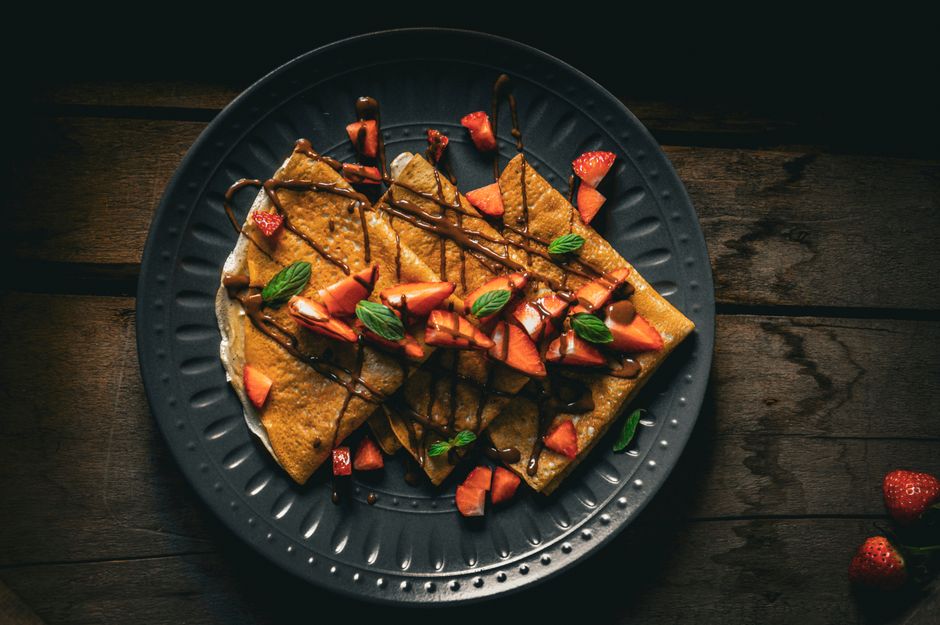
When should you visit a sugar shack in Quebec or Ontario, and how do you avoid driving two hours for a meal that does not match your expectations? The short answer is mid-March to early April, but the best date depends on weather, regional opening dates, the type of meal you want, and your tolerance for mud, crowds, and fixed menus.
When does maple syrup season happen?
Why the dates change each year
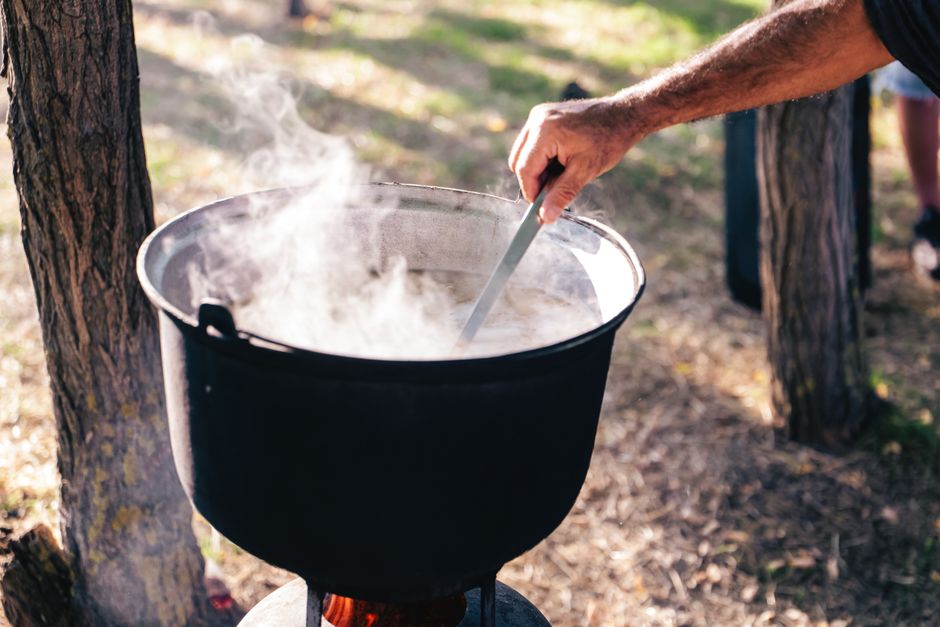
Maple syrup season is controlled by temperature, not by a fixed festival calendar. Sap begins to move when cold nights are followed by daytime temperatures above freezing. The freeze-thaw cycle creates pressure inside the tree, allowing producers to collect sap through taps and tubing. Producers then boil that watery sap in an evaporator until it reaches syrup density.
The official maple producers’ explanation gives a useful rule of thumb: the harvest usually lasts four to six weeks, often from early March through late April, although the exact window varies by region and weather. Ontario Maple places the typical season between February and April. Northern Ontario and higher-elevation areas may start later than locations near Montreal, Toronto, or Niagara.
The best window for a first visit
For a first trip, choose the middle of the season rather than the opening weekend or the final week. Mid-March through the first week of April usually gives you the strongest chance of seeing active boiling, fresh taffy, and a full traditional menu. Early weekends can sell out because of school breaks, while late-season visits can face warm weather, muddy trails, or reduced demonstrations.
The clearest verdict is this: book a Saturday or Sunday between March 15 and April 5, then confirm the producer’s posted schedule three to seven days before departure. A sugar shack may remain open for meals after sap production slows, but that does not guarantee a working evaporator or fresh snow for maple taffy.
Quebec or Ontario: which sugar shack trip fits?
Quebec offers the deeper traditional experience, especially if your priority is a long communal meal with pea soup, baked omelet, smoked ham, beans, cretons, pickles, and maple desserts. Ontario is the easier choice for a short family outing, a Toronto or Ottawa base, or a visit built around a festival rather than a seated meal.
The practical regional verdict
Choose Quebec if the meal itself is the main event and you want a long-standing cabane à sucre format. Choose Ontario if you want demonstrations, wagon rides, pancake service, or an urban festival with lower entry costs. The Destination Ontario seasonal listing is useful for comparing regional events, but treat every date as provisional until the producer confirms it.
Prices also need careful comparison. A Quebec admission price may include a large all-you-can-eat meal, while an Ontario festival ticket may cover demonstrations but leave pancakes, parking, or activities as separate costs. The lower headline price is not always the lower total cost.
How to plan a sugar shack visit without wasting the drive
Use this booking sequence
- Pick the experience first. Decide if you want a full traditional meal, a forest walk, a syrup demonstration, maple taffy, or a festival atmosphere. Do not book a pancake festival expecting a seated Quebec-style feast.
- Check the actual operating date. A listing may describe a whole season while the producer opens only on weekends. Look for the exact day, meal seating time, parking instructions, and reservation policy.
- Reserve before travelling. Popular shacks often seat guests in timed waves. Stanley Cheslock, for example, requires a deposit for each reserved place. A phone call can also reveal whether the menu can handle allergies or mobility needs.
- Build in extra driving time. Rural addresses may include gravel roads, narrow lanes, or poor mobile service. Arrive 20 to 30 minutes early, especially if your booking has a fixed seating time.
- Pack for spring conditions. Waterproof boots, warm layers, gloves, and clothes that can handle wood smoke are more useful than fashionable shoes. Trails can be wet even when the parking lot looks dry.
Verify the details that cause most disappointments
Ask three direct questions before paying: Is the meal included? Is the evaporator operating on the date selected? Are outdoor activities running in wet or warm weather? Also ask about vegetarian, gluten-free, and nut-allergy options rather than assuming a traditional menu can be modified safely.
The common failure is treating a sugar shack like a normal restaurant reservation. It is often a seasonal production site with limited seating, shared tables, rural access, and weather-dependent activities. The best plan uses the official booking page or telephone number, keeps the confirmation email, and checks for a same-week update.
My clear pick: Quebec for tradition, Ontario for convenience
For families based in Toronto or travellers who dislike long rural drives, choose Ontario’s Kortright Centre or an urban event such as Sugar Shack TO. Kortright charges a modest admission fee and adds pancake pricing separately, which makes the total easier to control, while Sugar Shack TO removes the admission barrier and sells maple taffy by the piece.
For bad weather or a short Niagara Falls itinerary, Maple Leaf Place is the better choice than cancelling the experience. Its indoor format cannot replace a working sugar bush, but free admission, syrup tasting, and maple education solve the main problem: learning how the product is made without committing to a long outdoor visit.
The distinction is simple: Quebec wins for food and tradition, rural Ontario wins for accessible family programming, and urban Ontario wins for convenience. That is a useful decision rule, not a neutral list of options.
Sugar shack questions travellers usually ask
Is maple syrup season the same in Quebec and Ontario?
No. Both provinces depend on the same freeze-thaw pattern, but regional temperature, elevation, and latitude shift the opening window. Southern Ontario can begin earlier than northern Ontario, while Quebec’s southern regions may start before areas farther north. Plan around the producer’s date rather than a province-wide assumption.
Do I need to visit during active sap collection?
No, but active production makes the visit more interesting. If the evaporator is running, you can often see sap being boiled and ask how the syrup changes through the season. After the main run, a shack may still serve meals or sell syrup, but the production demonstration may be limited. Call before travelling if the boiling process is the reason for your visit.
What should I avoid buying or booking?
Avoid any listing that hides the meal price, refuses to state whether tax is included, or gives no clear address and cancellation policy. Avoid booking a remote shack at the end of the season if your group needs reliable outdoor activities. Avoid assuming every maple product is pure syrup: check the label for maple syrup, maple butter, maple taffy, or blended maple-flavoured products.
For storage, an unopened can of properly packaged pure maple syrup can remain at room temperature for a long time, but an opened container belongs in the refrigerator. The official Maple from Canada production guide explains the basic process, including the fact that producers boil about 40 litres of sap to make roughly one litre of syrup.
If your original question was simply, “Can I plan a worthwhile sugar shack visit without guessing?” the answer is yes: choose the region by experience, reserve the exact date, confirm the weather-dependent details, and arrive ready for a muddy spring day. That turns maple syrup season from a vague Canadian bucket-list idea into a well-timed meal and a genuine look at how the syrup reaches the table.