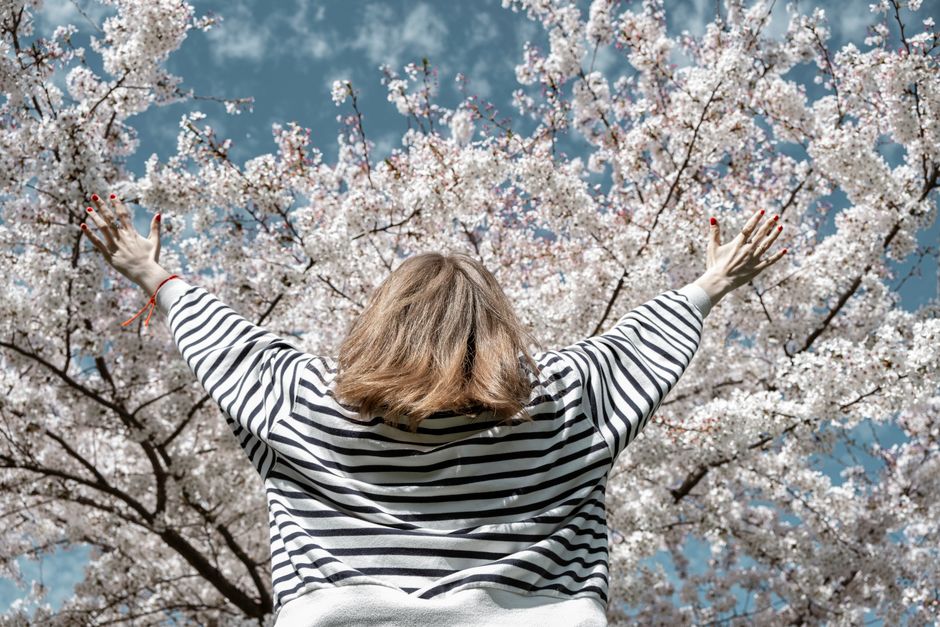
The common misconception is that a Washington, DC spring trip means choosing between cherry blossoms and museums. The strongest plan uses both: see the trees outdoors before crowds build, then move indoors when the sun gets harsh, the wind rises, or your feet need a break. You also need a backup because peak bloom lasts only a few days and weather can change the timing.
When Washington DC cherry blossoms actually peak
Peak bloom is a narrow window
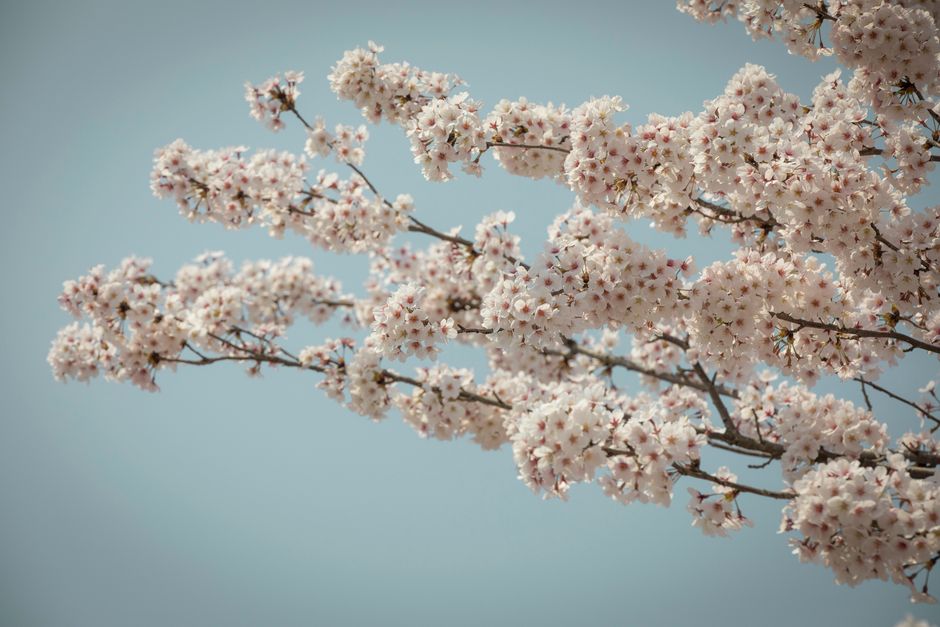
Peak bloom means 70 percent of the Yoshino cherry blossoms have opened. It does not mean every tree looks full, and it does not guarantee clear skies. The strongest viewing usually comes during the several days around peak bloom, before wind strips petals from the branches. Check the National Park Service bloom watch during the final 10 days before your trip.
How to plan around weather
Book lodging for flexibility if blossoms matter more than a fixed event. A cool, calm morning can look better than a sunny afternoon because the Tidal Basin fills quickly after breakfast. Rain does not automatically ruin the visit, but strong wind can end the best display in hours. Pack a light waterproof shell, shoes with firm soles, and one indoor museum block for every outdoor block. If the trees peak before you arrive, shift toward the Jefferson Memorial, the National Mall, and the National Arboretum, where spring colour continues after the most photographed branches fade. The clear verdict: plan for a three-day bloom window, but build the trip so it still works when the flowers arrive early or late.
How to pair blossoms with museums in two days
Day one: put the Tidal Basin first
- Start between 6:30 and 8:00 a.m. at the Tidal Basin, when the light is soft and the paths are easier to navigate.
- Walk past the Martin Luther King Jr. Memorial toward the Franklin Delano Roosevelt Memorial, then continue to the Jefferson Memorial.
- Take a long breakfast break before entering a museum. The outdoor loop can take two to three hours with photo stops.
- Spend the afternoon on one focused museum, not three rushed ones. Choose a single theme such as American history, aviation, or art.
Day two: reverse the order
Begin indoors at 10:00 a.m., when most major museums open, then walk the National Mall after lunch. This order works better for travellers who dislike dawn starts or want a slower morning. Choose two buildings that sit near one another rather than crossing the Mall repeatedly. Leave at least 90 minutes for a serious museum visit and 30 minutes to move between sites. The best two-day rhythm is outdoor photography on the first morning, deep museum time on the first afternoon, a museum-first second morning, and a sunset monument walk on the second evening. That sequence protects your energy and leaves room to change plans after checking the latest bloom report.
The best blossom route when crowds are heavy
Start at the water, then move west
The most efficient route is a one-way walk instead of a loop that forces you to retrace every crowded section. Begin near the Tidal Basin, see the Jefferson Memorial early, and continue west toward the Martin Luther King Jr. Memorial and the Lincoln Memorial. You get the main views before midday, then finish near the National Mall, where museums and Metro stations give you several exit options.
| Time | Route | Reason |
|---|---|---|
| 6:30–8:30 a.m. | Tidal Basin to Jefferson Memorial | Best light and fewer visitors |
| 8:30–9:30 a.m. | FDR Memorial to Martin Luther King Jr. Memorial | Quieter water views and broad paths |
| 9:30–10:30 a.m. | Lincoln Memorial and Reflecting Pool | Finish the outdoor sights before peak crowds |
| 10:30 a.m.–12:00 p.m. | National Mall museum area | Move indoors as temperatures and crowds rise |
Know when to turn back
Do not force the full loop if someone in your group has knee pain, a stroller, or limited stamina. The Tidal Basin paths can feel longer than the map suggests because crowds slow every stop. Pick two memorials, then leave by the route that reaches your next indoor stop fastest. The winning route is the one that preserves time for the museum you came to see.
Which free museums pair best with blossom walks
My strongest museum pairing is the National Gallery of Art with a Tidal Basin morning. It gives you a free, calm indoor reset, stays close to the National Mall, and offers enough variety for both art specialists and first-time visitors. The Gallery is open daily from 10:00 a.m. to 5:00 p.m., and its admission is always free. Its West Building suits visitors who want familiar European and American works; its East Building is the better pick for modern architecture and contemporary art. Check the National Gallery visit page before leaving because entrances and special events can change.
Best choice for history and identity
The Smithsonian National Museum of African American History and Culture earns the best choice for travellers who want a history-focused visit with emotional depth. Reserve a free timed-entry pass before your trip, then allow at least two hours. The National Museum of American History works better for families who want broad exhibits and recognizable objects, while the National Museum of Natural History gives children a faster-moving mix of animals, fossils, and geology. All three offer free admission, but free does not mean walk-in access at every building.
Best choice for science and space
The National Air and Space Museum is the clear pick for aviation fans and families with a short attention span. Admission is free, but every visitor needs a free timed-entry pass for the Washington location. The museum opens at 10:00 a.m. and closes at 5:30 p.m.; a pass controls entry time, not how long you can stay. If your preferred slot disappears, choose the National Gallery or American History Museum instead of buying a third-party pass for a free attraction.
How to pay, move, and protect your museum time
Choose transit by distance, not habit
SmarTrip is the simplest transit choice for most visitors. Add stored value rather than guessing at a multi-day pass if your hotel sits near the National Mall and you plan to walk. Use Metro for long cross-city trips, not for every short move between monuments. Check station exits before starting because a wrong exit can add 10 minutes to a walk that looked short on a map.
It works best when your group can ride confidently and wants to connect the National Mall with neighbourhoods outside the core. It works poorly during the densest Tidal Basin crowds, on wet pavement, or when visitors carry museum bags. Dock the bike before entering a museum, and watch the 45-minute limit to avoid extra charges. For most first-time blossom visitors, walking plus SmarTrip is the better value; choose the bike pass only when it solves a real distance problem.
What ruins a cherry blossom museum weekend?
Should you arrive at noon for the famous photos?
No. By noon, the most popular Tidal Basin paths can feel slow and crowded, and bright overhead light makes the water glare. Arrive before 8:00 a.m. or accept a quieter alternative such as the National Arboretum. The early start produces better photos and gives you more control over the rest of the day.
Can you visit four museums in one afternoon?
Not well. Large museums consume more time than their floor plans suggest because security lines, restrooms, cafés, and slow galleries add up. Pick one anchor museum and one optional short stop. If the anchor has a timed pass, protect that entry time instead of racing across the Mall for a second reservation.
What should you do when the forecast looks perfect?
Still check the live bloom report and museum reservation pages the night before. A perfect weather forecast does not guarantee open paths, available passes, or easy parking. Keep one flexible morning and avoid scheduling a nonrefundable activity during the narrowest bloom window. The biggest mistake is building a trip around one photograph rather than around several ways to enjoy spring in the city.
What to do when bloom or weather misses
Use the National Arboretum as the strongest backup
The U.S. National Arboretum is the best alternative when the Tidal Basin feels too crowded or the main blossoms have passed. Its grounds are open from 8:00 a.m. to 5:00 p.m., last entry is 4:30 p.m., and admission is free with no ticket. The National Bonsai & Penjing Museum generally runs from 10:00 a.m. to 4:00 p.m. The site is less central than the Mall, so it deserves a half-day rather than a quick detour. Check the National Arboretum hours before going.
Match the backup to the problem
Rain favors an indoor museum day; wind favors the Arboretum’s broader landscape; late blossoms favor a monument walk and the National Gallery. Do not buy a sightseeing bundle just to fill a gap. Washington already offers several free, high-quality alternatives, and the better plan usually comes from changing the order of your day.