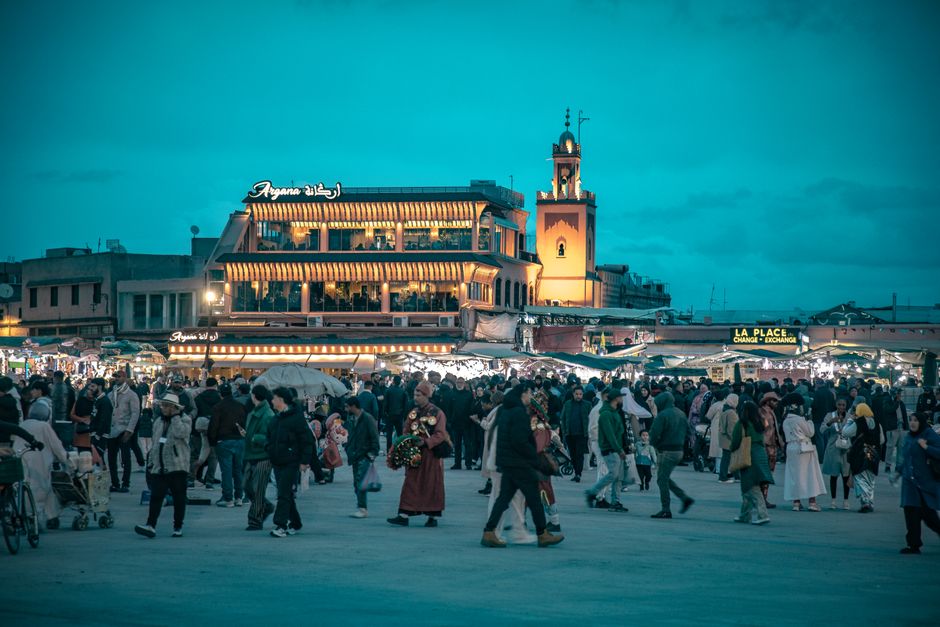
You land in Marrakech wearing a T-shirt, walk into afternoon heat, then discover that your Atlas guesthouse is cold enough for a jacket after sunset. That contrast explains the whole trip. Morocco in spring is a two-climate journey: warm, busy, low-altitude Marrakech joined to cool, changeable mountain valleys.
The best plan gives both places enough time. Treat the Atlas as a day-trip photo stop and you will spend much of the day in traffic. Treat Marrakech as a quick airport overnight and you will miss the medina when it is most enjoyable. A five-day route works well for first-time visitors, provided you build around daylight, elevation, and one weather buffer.
When is spring best for Marrakech and the Atlas?
Spring is one of Morocco’s strongest travel seasons because Marrakech is usually warm without the punishing heat of midsummer, while the lower Atlas valleys begin to turn green. The Moroccan National Tourist Office describes spring and autumn as the best seasons for exploring the country, but that does not mean every spring week feels the same.
March, April, or May?
March gives you cooler evenings and a better chance of seeing snow on the high peaks, but mountain roads and high trails can still feel wintry. April is the most balanced month for a Marrakech-and-Atlas itinerary: warm city afternoons, comfortable valley walks, and longer days. May is better for early starts and higher trail access, but Marrakech can already feel hot after lunch. The best month for most first-time visitors is April.
| Month | Marrakech daytime feel | Atlas conditions | Best use |
|---|---|---|---|
| March | Mild to warm, cool after sunset | Cold mornings; snow may remain higher up | City walks and lower valleys |
| April | Warm, usually comfortable for sightseeing | Good hiking window with cold evenings | Best overall balance |
| May | Hotter afternoons, especially in the city | Good for early hikes; exposed trails heat up | Mountain mornings and shorter city visits |
Use a two-temperature forecast
Do not check only Marrakech. Check Marrakech and your mountain base separately, then look again 48 hours before the drive. A valley such as Ourika or Imlil can be several degrees cooler than the city, and wind makes the difference feel larger. Rain in the mountains can also affect dirt roads and stream crossings even when the red city streets stay dry.
Bottom Line: Choose April for the safest all-round spring trip. Choose March for cooler city weather and mountain scenery. Choose May only if you are comfortable starting hikes early and resting during the hottest afternoon hours.
How to plan the Marrakech-to-Atlas route without rushing
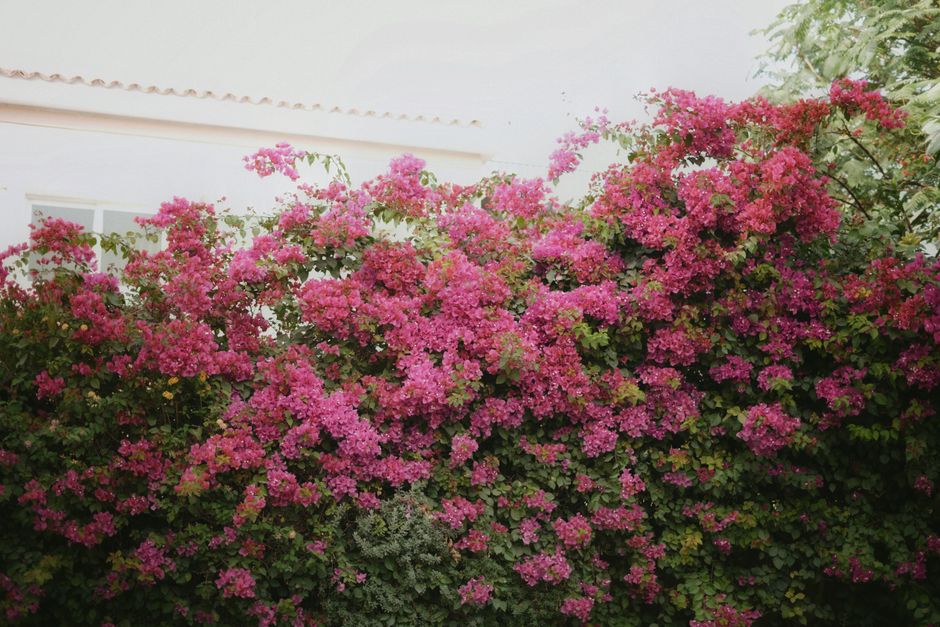
The underlying problem is not distance. Marrakech and the Atlas foothills are close on a map, but the journey slows down once the road leaves the city. Stops for viewpoints, village roads, lunch, traffic, and changing weather turn a short transfer into a full day. The route works best when you sleep in the mountains at least once instead of trying to force every sight into one return trip.
Start with the foothills, not a summit
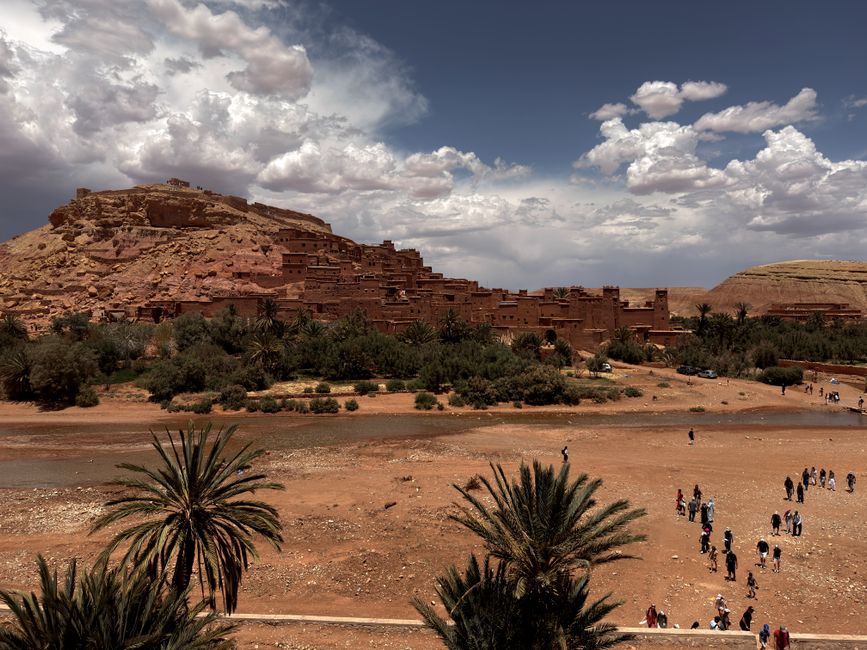
For a first visit, use Marrakech as your base for two nights, then move toward a mountain village. Ourika is the easier introduction: it offers a valley drive, riverside villages, and short walks without requiring a major trekking commitment. Imlil is the better choice for a stronger mountain experience. It sits higher, feels more remote, and gives you access to trails connected with Toubkal National Park.
Do not confuse a visit to Imlil with climbing Mount Toubkal. The summit plan usually needs two or three days, a guide, proper acclimatization, and conditions suitable for high-altitude travel. A valley walk is a different product with a different risk level.
Compare the practical route options
A private transfer gives the cleanest schedule, but it costs more and does not automatically include a qualified mountain guide. A shared taxi can be cheaper, yet it often means waiting for passengers and negotiating the final connection. A group excursion keeps logistics simple, but fixed departure times can create a rushed walk. For two travellers who value time, a private driver to a guesthouse in Imlil is the best use of money; for solo travellers, a reputable small group is usually the better tradeoff.
If you arrive from Casablanca, compare the train with a long road transfer. ONCF operates Al Atlas services between major Moroccan cities, and its published 2026 examples show that advance and promotional fares can differ sharply from standard prices. One listed Casablanca–Marrakech example was 160 MAD before a promotional reduction, so check the official ONCF booking site rather than relying on an old blog post.
Protect one weather day
Keep the final Marrakech day flexible. If rain, roadworks, a delayed transfer, or a tired group disrupts the mountain plan, you can move the valley walk into that space. This small buffer also improves the trip’s rhythm: you are not watching the clock during every mint-tea stop.
Book the mountain night before the city nights if your flight leaves from Marrakech. That order limits the risk of turning a delayed return from the Atlas into a missed international flight.
What to do each day on a five-day itinerary
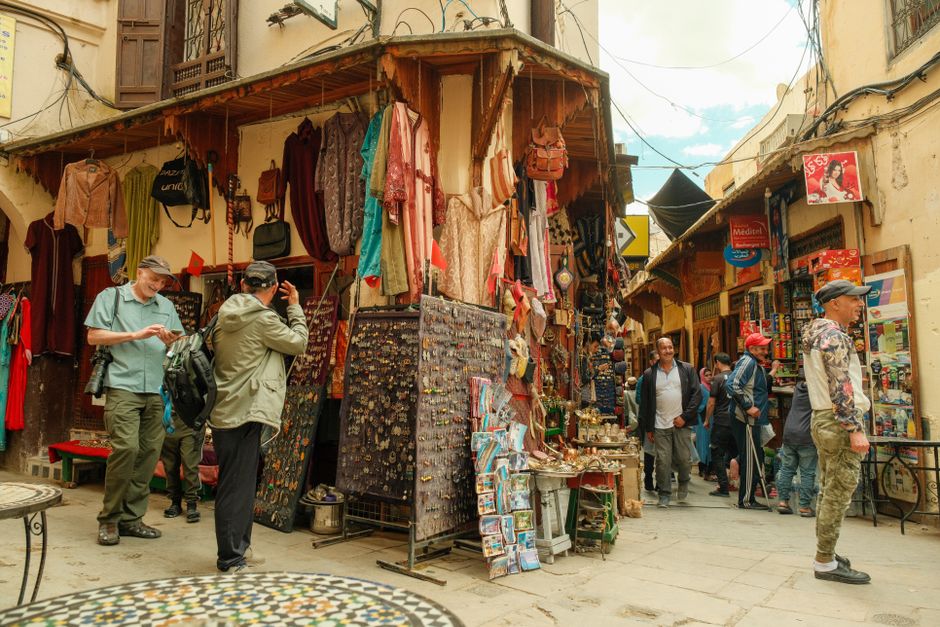
The five-day sequence
- Day 1: Marrakech arrival and orientation. Keep the first afternoon light. Walk through the medina, visit a nearby market, and eat early if you crossed several time zones. Avoid scheduling a long Atlas excursion after a late flight.
- Day 2: Marrakech at walking pace. Spend the morning on the main cultural sights, then use the hottest part of the day for lunch or a shaded courtyard. Return to the medina near sunset, when the streets become more active and the light softens.
- Day 3: Transfer to Ourika or Imlil. Leave around 7:30 a.m. The early departure is practical, not heroic: it reduces traffic, gives you cooler walking conditions, and leaves room for a slow lunch. Reach your guesthouse by mid-afternoon instead of trying to add three more stops.
- Day 4: Full mountain day. Choose one clear objective: a valley walk, a village route, or a guided trail toward the Toubkal foothills. Keep the route within your group’s ability. A four-hour walk with time for lunch is more useful than an ambitious route that ends in darkness.
- Day 5: Return and buffer. Drive back to Marrakech, leave luggage at your hotel, and use the remaining hours for anything missed on Day 2. If you have an evening flight, allow at least three hours for the airport transfer and check-in.
What to cut first
Cut the extra viewpoint before you cut the mountain overnight. Cut a second shopping session before you cut the buffer day. The trip’s main contrast comes from sleeping at different elevations and giving each setting a full morning. More stops do not create more Morocco; they create more time in a vehicle.
For a six- or seven-day trip, add time to the mountains before adding another city. A second Atlas night gives you a better chance of changing the walk around the weather and seeing village life before day visitors arrive. It also makes a guided hike feel like an experience rather than a scheduled transfer.
Should you visit the Atlas in spring?
Is Marrakech too hot in spring?
Usually not in March or April, especially if you schedule outdoor sightseeing before lunch and after 4 p.m. May can feel hot in exposed plazas, but that is a scheduling problem more than a reason to cancel. Use shade, water, and a slower midday plan.
Can a first-time hiker do the Atlas?
Yes, if the goal is a marked or locally guided valley walk rather than a summit attempt. Tell the guide your real walking speed, knee issues, and experience before choosing a route. A good guide should change the plan when weather, mud, or fatigue makes the original route unsafe.
When should you skip a summit plan?
Skip high-altitude plans when the forecast shows strong wind, heavy rain, unstable snow, or poor visibility, and skip them if your itinerary leaves no recovery time. The Atlas still works as a lower-elevation cultural and walking trip. That is the smarter alternative to turning a holiday into a test of endurance.
For a balanced first visit, two Marrakech nights plus two mountain nights beats a packed loop through several regions. The trip is strongest when the city and mountains support each other rather than compete for the same day.
| Trip priority | Best plan | Main tradeoff |
|---|---|---|
| Easy first visit | Two Marrakech nights, one Ourika or Imlil night | Less time for long hikes |
| Mountain scenery | Two Marrakech nights, two Imlil nights | Fewer city attractions |
| Summit attempt | At least two or three guided mountain days | More planning and weather risk |
| Hot-weather tolerance | Late April or May with early starts | Hotter city afternoons |
Check official transport, weather, and local mountain guidance before departure.