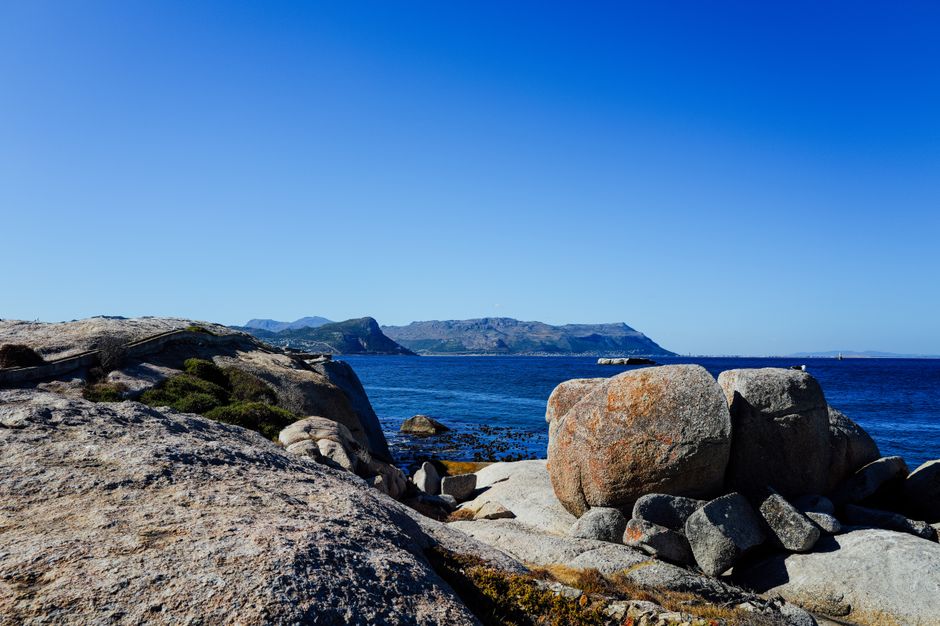
Wondering if Cape Town in February is hot enough for the beach and dry enough for the Winelands? Yes, but the timing matters more than most itineraries admit. February brings long summer days, daytime temperatures around 20–26°C, and warm light for late beach afternoons, while the southeasterly wind can turn an exposed coast into a sandblasting machine. I plan this month around the wind first, then fit in the wine farms.
Is February the best month for Cape Town beaches?
What February weather actually feels like
February is one of Cape Town’s safest months for outdoor plans. The air often feels warm rather than humid, evenings are cooler at roughly 13–18°C, and rain rarely controls the whole day. The catch is the Cape Doctor, the local name for the strong southeasterly wind that can arrive in the afternoon. A morning that looks perfect from your hotel balcony may feel very different by 3 p.m.
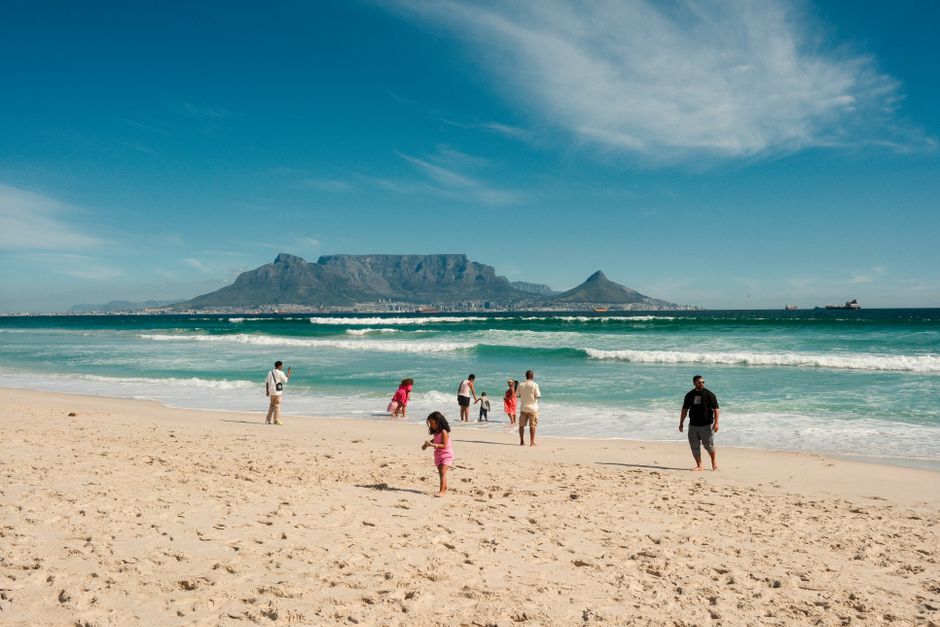
Start exposed beach days early. Clifton, Camps Bay, and Llandudno usually look their best before the wind builds. Pack a light fleece even for a forecast that says 25°C. You will use it after sunset, on the cableway, and at open-air restaurants more often than expected.
Choose the beach by wind direction
| Beach | Best use in February | Main drawback |
|---|---|---|
| Clifton 4th | Protected sunbathing and sunset scenery | Limited parking and steep access |
| Camps Bay | Easy lunch, promenade, and mountain views | More exposed to afternoon wind |
| Muizenberg | Beginner surfing and a warmer-feeling swimming day | Longer drive from the City Bowl |
| Boulders Beach | Penguin viewing and sheltered coves | International adult conservation fee is R245 |
My beach verdict is simple: choose Clifton for a calm, beautiful afternoon; choose Muizenberg if swimming matters; choose Boulders for wildlife rather than a classic empty beach. Check the current SANParks entry fees before leaving because the tariff year changes in November.
How to plan five days without wasting them
The order that saves time
- Day one: settle into the city. Walk the V&A Waterfront, Bo-Kaap, or the Company’s Garden instead of forcing a major attraction after a long flight.
- Day two: use the mountain and coast. Put Table Mountain in the clearest morning forecast, then move toward Clifton or Camps Bay for the afternoon.
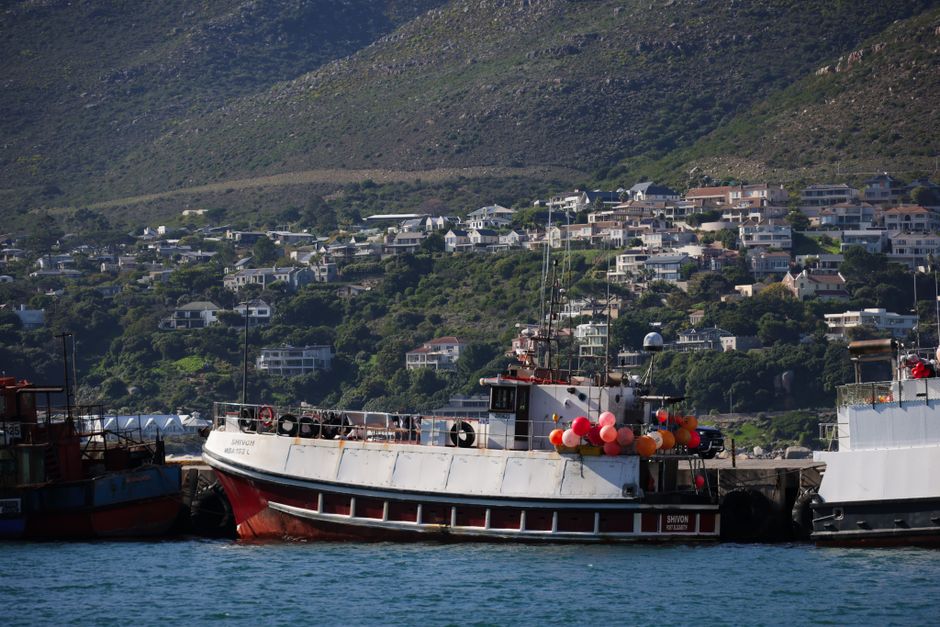
- Day three: choose one side of the peninsula. Combine Hout Bay, Chapman’s Peak if open, Cape Point, and Boulders. Do not add Stellenbosch to this day. The driving looks manageable on a map and becomes tiring in real traffic.
- Day four: visit one wine region. Constantia is the efficient choice from central Cape Town. Stellenbosch rewards a full day. Franschhoek deserves a full day plus a slower lunch.
- Day five: keep flexible. Reserve this day for the beach you missed, a market, a hike, or a weather rescue plan.
Pack for four different microclimates
Bring swimwear, sunglasses, a hat, sunscreen, closed walking shoes, and one warm layer. The same day can move from bright sand to a cool mountain path and then to a breezy vineyard terrace. A refillable water bottle is useful on longer drives, but do not assume every trail has a reliable tap.
Book Table Mountain only after checking the weather pattern, not just the temperature. Low cloud can hide the summit while the city below stays sunny. For hiking, start early, carry more water than you think you need, and tell someone your route. The mountain is close to the city, but it is not a casual sidewalk.
Which Winelands day trip works best from Cape Town?
Choose Constantia when time matters
Constantia is my pick for a first wine day in February because it gives you vineyard scenery without surrendering the whole day to driving. From central Cape Town, the valley is close enough for a relaxed start, a long lunch, and a return before dinner. Groot Constantia works well for history and a recognizable first tasting. Constantia Glen is better if you want a polished view and a shorter, focused visit; its official tasting page lists options from R165 per person.
High Constantia offers another practical benchmark: its published tasting is R160 per person for five wines, with weekday cellar hours listed from 8 a.m. to 5 p.m. These prices are useful for planning, but confirm them before booking. Wine estates change tasting menus and prices more often than travel guides do.
Pick Stellenbosch or Franschhoek for a full-day wine trip
Stellenbosch is the stronger choice for variety. You can combine historic streets, larger estates, modern tasting rooms, and a proper lunch without feeling that every stop is built for the same visitor. Franschhoek is more concentrated and scenic, with a stronger food-and-wine identity, but it can feel busy in peak summer.
Do not try to visit three regions in one day. That plan looks ambitious in a spreadsheet and feels like a series of car parks in practice. Pick two estates, leave room for lunch, and set a hard departure time.
The mistake that ruins a wine day
Driving after several tastings is the failure mode to avoid. Use a private driver, a reputable guided transfer, or a service that keeps the driver sober. I would not rent a car for a tasting-heavy day unless one person has already agreed to skip the wine. The best wine itinerary is the one where you remember the farms, not the route home.
For a clear tradeoff, spend extra on transport and fewer tasting rooms. Two good visits at R160–R165 each, plus lunch, beat five rushed stops with no time to taste properly or walk the grounds.
Cape Town in February: questions people ask before booking
Do I need a car for the city?
No. For central Cape Town, an occasional Uber is usually easier than parking, especially around the Waterfront and beaches. MyCiTi can be useful for selected city routes, but check the current network and fares before relying on it. The published fare table lists a one-day pass at R90, a three-day pass at R210, and a seven-day pass at R290, while its airport information has changed over time. Use the official MyCiTi fare information as a starting point, then verify the live route before arrival.
Can I swim in February?
Yes, but do not confuse bright sunshine with warm Atlantic water. Clifton and Camps Bay are excellent for sitting beside the sea, while Muizenberg is the better choice for a proper beginner surf session and a more forgiving swimming day. Boulders is primarily a penguin and sheltered-cove stop, not the place I would choose for a long open-water swim.
How many days do I need?
Five full days gives you a sensible balance: two city and beach days, one peninsula day, one wine day, and one flexible day. With only three days, drop Franschhoek and choose Constantia. With seven days, add a slower Cape Point visit, a second wine region, or a day in the Overberg rather than squeezing more attractions into every morning.
My February verdict: book the weather, not the checklist
What I would choose
For a first Cape Town trip, February is worth booking when beaches and wine matter equally. I would stay near the City Bowl or Sea Point, schedule the clearest morning for Table Mountain, keep Clifton and Camps Bay flexible, and use Constantia for the first wine day. I would pay for safe transport on a tasting day and spend the saved time on a long lunch.
The strongest plan is not the one with the most names on it. It is the one that leaves space for the wind to change, traffic to slow down, or a beach afternoon to become a mountain morning.
When February is the wrong choice
Choose another month if your priority is consistently warm sea swimming, low-season accommodation, or empty attractions. February is still part of the busy summer period, and popular beaches, wine estates, and scenic roads can fill quickly. It also punishes rigid schedules because the best outdoor window may move by several hours.
If the opening question is whether Cape Town in February can deliver both late-summer beaches and the Winelands, the answer is yes—with one condition. Start with the forecast, pick one wine region, and let the day breathe. That is how the trip feels like a holiday instead of a race between reservations.