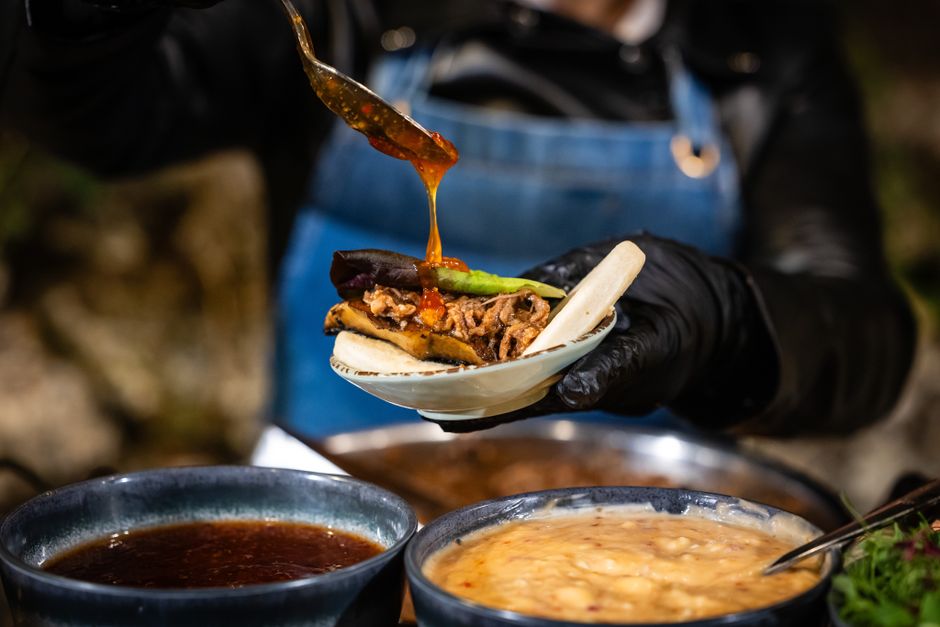
A full restaurant calendar does not mean your lunch plan has failed. A food market can give you regional food, flexible timing, and a clear spending limit without requiring a reservation made weeks ahead.
Why food markets solve the booked-lunch problem
The real problem is timing, not table supply
Restaurant bookings create a fixed point in a travel day. Miss the slot, arrive late from a museum, or discover that the queue is longer than promised, and the rest of the itinerary starts to slide. Food markets work because they separate eating from a single appointment. You can arrive at 12:10, choose a meal, and leave when the next train, tour, or gallery visit demands it.
That flexibility has a practical value. A market usually puts several cuisines within a short walk, so one person can order grilled fish while another chooses noodles, cheese, or a vegetarian plate. The group does not need to negotiate a single menu or spend twenty minutes finding a second restaurant after the first one turns people away.
Markets also reduce decision risk
The best markets let you inspect the food before paying. You can see portion sizes, watch the cooking, compare queues, and ask about ingredients. That is more useful than trusting a polished menu photo when you have limited time and a hard lunch budget. For travelers with allergies, the visible preparation area still does not guarantee safety, but it gives you a better chance to ask direct questions before ordering.
The tradeoff is less privacy
A market is not a quiet table-service restaurant. Seating may be communal, trays may need to be carried across a crowded hall, and popular stalls can sell out of a special dish. My verdict is clear: for a flexible daytime meal on a busy sightseeing day, a food market is a better backup than an unplanned restaurant hunt. Choose a restaurant instead when privacy, a long meal, or formal service matters more than speed.
How to choose a market lunch in ten minutes
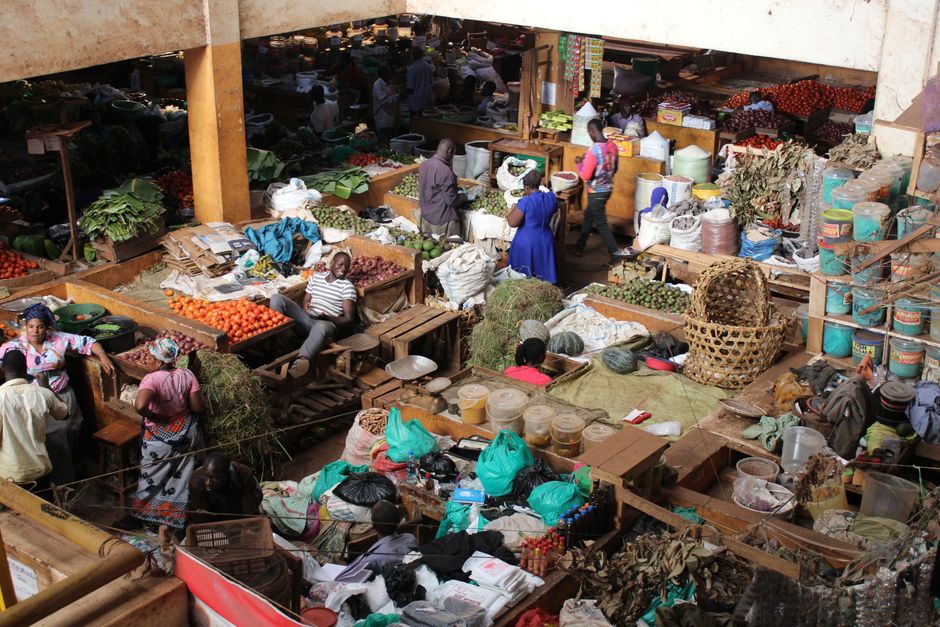
Do not walk into the first attractive hall and assume it will solve the problem. Use a short screening process. It prevents the most common market mistake: spending half an hour browsing, then discovering that every seat is occupied.
1. Check the operating window
- Confirm that the market is open during your actual lunch period, not just during evening service.
- Check the individual stall hours. A hall can stay open while its best lunch vendors close early.
- Allow 15 minutes for walking, ordering, and finding a seat. A market five minutes farther away may still be faster than a restaurant with a 45-minute wait.
2. Set the budget before you enter
For 2026 travel planning, allow roughly £12 to £22 per person for a filling London market lunch, €10 to €18 for many Lisbon options, and €12 to €25 in a major European food hall. Drinks, dessert, and service charges can move the total quickly. A group of four should decide if the ceiling is £60, £90, or more before everyone starts ordering separate small plates.
3. Look for three essentials
- At least two food styles that suit the group.
- Visible seating or a nearby public place where eating is allowed.
- A payment method everyone can use, especially in cashless halls.
This method produces a reliable choice faster than chasing the most famous stall. My recommendation: prioritize opening hours, seating, and menu range in that order. Reputation matters, but a celebrated vendor is not useful if its queue consumes your afternoon.
Market lunch costs less only when you control the order
The financial case for a market is flexibility, not automatic savings. Small plates, premium toppings, service charges, and drinks can make a casual lunch cost more than a set menu. The table below uses realistic planning ranges for 2026, not guaranteed menu prices. Check the stall board when you arrive.
| Lunch format | Typical food cost | Time needed | Main risk |
|---|---|---|---|
| Street-food stall | £10–£16 or €9–€15 | 15–25 minutes | Limited seating |
| Food-hall main dish | £14–£24 or €12–€20 | 25–45 minutes | Separate queues |
| Market grazing meal | £20–£35 or €18–€30 | 45–75 minutes | Several small purchases |
| Restaurant set lunch | £25–£45 or €25–€40 | 60–120 minutes | Reservation or fixed timing |
Where the budget leaks
The usual problem is not the main dish. It is adding a drink, side, dessert, and one more snack because every stall looks convenient. Decide on one main and one optional extra. If the group wants to share, buy one item first and inspect the portion before ordering more.
The payment comparison
A market purchase has no booking fee, but credit-card interest can erase any saving if you carry the balance. Common travel cards may charge no foreign-transaction fee, while other cards add about 2% to 3%. A carried balance can face a variable APR of roughly 20% to 35%, depending on the card and borrower. A €30 lunch paid off on time costs €30; the same lunch carried for a month is part of a much more expensive habit. This is not financial advice, but the arithmetic is simple: pay the statement balance and avoid treating a cheap lunch as free money.
Bottom Line: markets win on time and choice. They only win on price when you set a spending limit before ordering.
The best market formats for different travel days
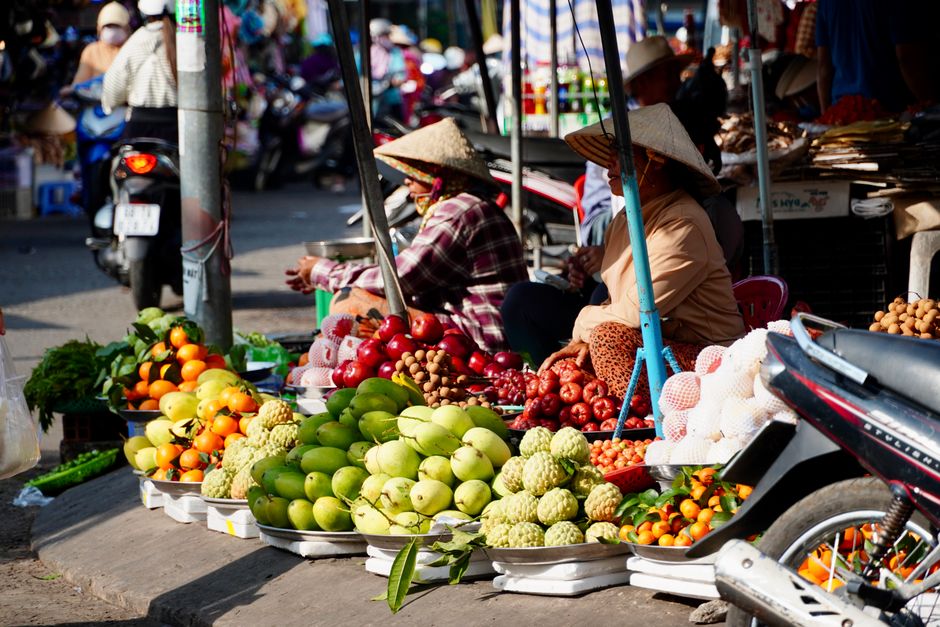
My strongest recommendation is Time Out Market Lisboa for groups with conflicting appetites and Borough Market for travelers who want a true market rather than a themed food hall. These are different experiences, and calling them interchangeable creates bad expectations.
For the broadest group choice: Time Out Market Lisboa
Time Out Market Lisboa at Mercado da Ribeira has more than 20 food counters, shared seating, and a central location near Cais do Sodré. It does not rely on table reservations, so it suits a group that needs lunch at an awkward hour. Plan on about €12 to €20 for a main dish and €20 to €30 for a main, drink, and small dessert. The cost is higher than a neighborhood snack bar, but the menu range is hard to beat. My pick here is a single main per person followed by a walk along the waterfront, not a long grazing session that turns a quick lunch into a €35 bill.
For a classic London stop: Borough Market
Borough Market is a working food market beside London Bridge, not one enclosed hall with a uniform seating plan. Its official hours vary by day, and Monday is normally closed. Street-food mains commonly fall around £10 to £16, while premium sandwiches, cheese dishes, and seafood can push beyond £18. Go before 12:30 on Saturday if you want a reasonable chance of finding space. I would choose Borough Market for a traveler who values ingredients, producer stalls, and neighborhood atmosphere over guaranteed seating.
For dinner-like choice at lunch: Mercato Mayfair
Mercato Mayfair operates inside St Mark’s Church and offers several floors of food and drink vendors. The setting is memorable, but the price can approach restaurant territory: allow roughly £15 to £25 for a main and £25 to £40 with a drink and dessert. Vendors such as Fresco Pizzeria Napoletana and Pad Thai House give groups useful variety. My verdict is conditional but firm: choose Mercato Mayfair when the architecture and range are part of the day; choose Borough Market when the meal itself is the priority.
A booked restaurant does not have to ruin lunch
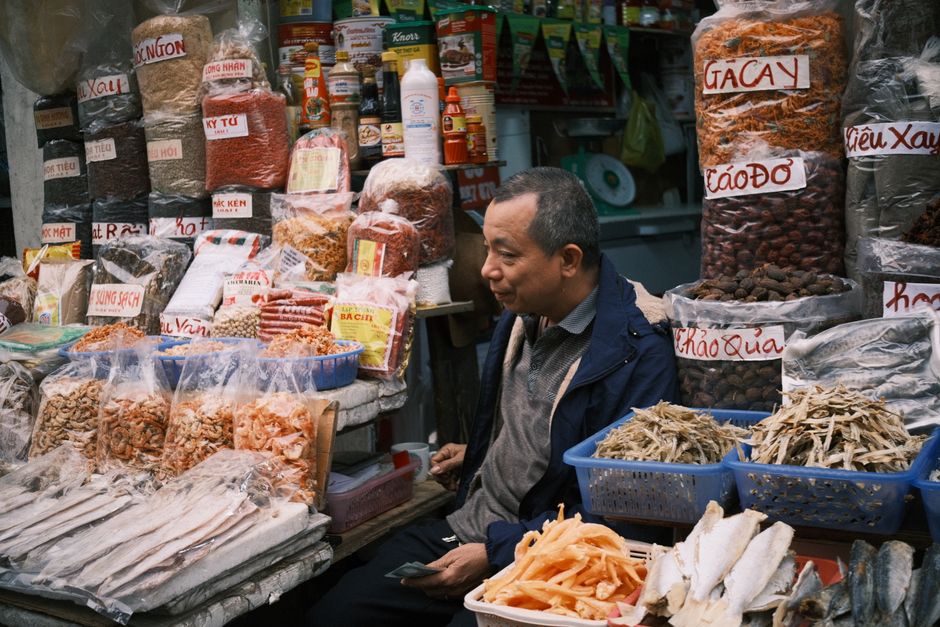
Build a two-option lunch plan
Before leaving your hotel, choose one market within a 15-minute walk of the morning attraction and one ordinary café or bakery nearby. Save both locations offline. Aim to arrive before the main rush, then set a 20-minute limit for the first queue. If the line has barely moved, switch stalls instead of defending the original choice.
Order one substantial item first. At Borough Market, that might be a filled sandwich or hot street-food plate. At Time Out Market Lisboa, it could be a rice dish, burger, or seafood plate. At Mercato Mayfair, a pizza or pad thai can anchor the meal while the group decides if dessert is worth the extra spend. These are planning examples, not endorsements or fixed prices.
Use the saved time well
Markets work best when lunch remains part of the itinerary rather than becoming the itinerary. Give the meal 45 minutes, including ordering and seating, then leave. If the group wants to browse, make that a separate choice. The market has already done its job when it provides dependable food without a reservation, a long transfer, or a second round of searching.
Bottom Line: food markets are the strongest lunch backup for flexible travelers who care about choice and timing. In the years ahead, better online menus and live crowd information should make these spaces even easier to use, but the basic rule will remain: check hours, set the budget, and keep a second option close by.
This is not financial advice.