You booked a week in Kyoto expecting serene temples and bamboo groves. Instead, you’re shuffling through Kiyomizu-dera shoulder-to-shoulder with a thousand other tourists, and the Arashiyama Bamboo Grove looks more like a rush-hour subway platform. You’ve got a rail pass, limited time, and a sinking feeling that you’re missing the real Japan.
That’s the problem: Kyoto is overcrowded, especially between March and November. The solution isn’t skipping Kyoto—it’s using it as a base for strategic day trips. These ten destinations get you out of the crush and into experiences that actually feel like travel, not a theme park queue.
1. Nara: Deer, Temples, and the Biggest Buddha in Japan
Nara is the most obvious day trip, and for good reason. It’s 45 minutes from Kyoto Station on the JR Nara Line (¥720 one way). The payoff: Todai-ji Temple, home to a 15-meter bronze Buddha, and 1,200 deer that will bow for a rice cracker.
The deer are not tame. They’ll head-butt you for food. Buy the special crackers (shika senbei) from the vendors, not your own snacks. The deer have learned to bow, but they’ve also learned to bite when impatient. Keep bags closed.
Key timing: Todai-ji opens at 7:30 AM. Arrive by 8:00 AM and you’ll have the main hall nearly empty. By 10:00 AM, it’s packed with school groups. Budget 4-5 hours total including walking from Nara Station through Nara Park to the temple complex.
Cost breakdown:
| Item | Cost (¥) |
|---|---|
| Train (round trip) | 1,440 |
| Todai-ji entrance | 600 |
| Kasuga Taisha entrance | 500 |
| Deer crackers | 200 |
| Total per person | ~2,740 |
When to skip Nara
If you’re visiting Kyoto during Golden Week (late April) or autumn leaf season (mid-November), Nara is equally crowded. Skip it and go to Uji instead—quieter, cheaper, and equally historic.
2. Uji: Matcha, Murasaki Shikibu, and No Crowds
Uji is 20 minutes from Kyoto on the JR Nara Line (¥240). It’s the birthplace of Japanese green tea, home to Byodo-in Temple (the temple on the 10-yen coin), and the setting for the world’s first novel, The Tale of Genji.
Here’s what most tourists miss: the Tsuen tea house, operating continuously since 1160. Order the matcha parfait (¥800) and sit by the Uji River. The temple grounds are small but exquisite—the Phoenix Hall reflects in the pond exactly as it did 1,000 years ago.
The mistake people make: They visit Uji in the afternoon and find the tea shops closing at 4:00 PM. Go early. By 9:00 AM, you can have the temple to yourself, buy fresh matcha powder directly from a family roaster, and be back in Kyoto by lunch.
Budget 3 hours. That’s enough for the temple, a tea ceremony demonstration at the Taiho-an tea house, and a walk along the river. Uji is the day trip you take when you want less—less walking, less queuing, less noise.
3. Osaka: Food, Shopping, and Neon—But Only for 4 Hours
Osaka is 30 minutes from Kyoto on the JR Kyoto Line (¥580). Dotonbori at night is iconic, but here’s the truth: Osaka is not a good full-day trip from Kyoto. It’s a good half-day trip.
Arrive at 2:00 PM. Walk from Osaka Station to Dotonbori (20 minutes). Eat takoyaki at Kukuru (¥600 for 8 pieces). Walk through the covered shopping arcades. See the Glico Running Man sign. Then leave at 6:00 PM before the dinner crowds turn every restaurant into a 90-minute wait.
What to skip: Osaka Castle. It’s a concrete reconstruction from 1931, not the original. The interior is a museum with dioramas. If you’ve seen Himeji Castle, Osaka Castle will disappoint.
Total cost for the afternoon: train (¥1,160 round trip), food (¥1,500), and maybe a drink at a standing bar (¥500). That’s about ¥3,160 per person for a solid introduction to Osaka’s food culture.
4. Arashiyama Before 8:00 AM: The Only Way to Do It
Arashiyama is not technically a day trip—it’s a Kyoto district. But treating it as a separate excursion is the smartest move you’ll make. The Bamboo Grove is a tourist trap after 8:30 AM. Before that, it’s magical.
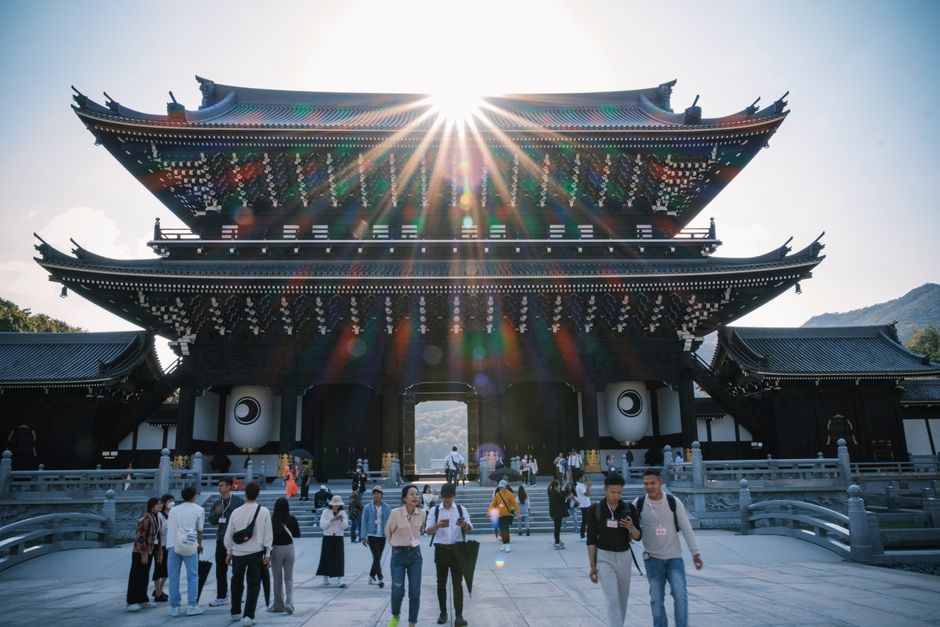
Take the JR Sagano Line from Kyoto Station to Saga-Arashiyama Station (15 minutes, ¥240). Walk to the bamboo grove entrance. You’ll have it nearly empty until about 7:45 AM. Then walk to Tenryu-ji Temple (opens at 8:30 AM, ¥500) and sit in the garden before the tour buses arrive.
By 10:00 AM, leave the main path. Cross the Togetsukyo Bridge and walk up to Okochi Sanso Garden (¥1,000 includes matcha and a sweet). The garden is almost always quiet. Most tourists walk past it.
The failure mode: People try to combine Arashiyama with the Sagano Scenic Railway (the trolley train). The ticket queue eats 90 minutes. Skip the railway unless you’re visiting in cherry blossom or autumn color season. The walk along the Hozugawa River is free and equally scenic.
5. Himeji: One Castle, One Day, One Clear Winner
Himeji Castle is the best original castle in Japan. It’s 60 minutes on the Shinkansen from Kyoto Station (¥5,600 one way, covered by the JR Pass). The castle survived WWII bombings, earthquakes, and modernization. It’s the real thing.
Budget 4 hours for the castle alone. The interior is steep, dark, and has 6 floors of steep stairs. You’ll climb 100+ steps. Wear shoes you can slip off quickly—you remove them at the entrance and carry them in a bag.
The mistake: Visiting Kokoen Garden (the castle’s adjacent garden) and thinking you’ve seen the castle. Kokoen is nice. The castle is world-class. Prioritize the castle. Arrive at opening time (9:00 AM) and you’ll be through by 1:00 PM, with time for lunch in Himeji Station’s food court before the return train.
Total cost without JR Pass: ¥11,200 round trip Shinkansen + ¥1,000 castle entrance = ¥12,200 per person. With a JR Pass: just the ¥1,000 entrance fee.
6. Kurama and Kibune: Mountain Hike and River Dining
This is the day trip for people who want nature without the crowds. Take the Eizan Railway from Demachiyanagi Station to Kibuneguchi Station (30 minutes, ¥420). Then walk 30 minutes uphill to Kibune, a village famous for dining on platforms built over the Kibune River.
The hike from Kibune to Kurama takes about 90 minutes through cedar forest. It’s steep in places but well-maintained. At the top, Kurama-dera Temple (¥300) offers views over Kyoto’s northern mountains.
When to go: May-September for the river dining (kawadoko). October-November for autumn leaves. Avoid December-February—the trail gets icy and the restaurants close.
Budget ¥2,000-3,000 for a river-side lunch set. The whole trip takes 5-6 hours including the hike and temple visit. This is the quietest option on this list.
7. Ohara: Real Rural Japan, 90 Minutes North
Ohara is a farming village 90 minutes north of Kyoto by bus (¥1,500 from Kyoto Station). The bus drops you at the base of a hill. Walk up to Sanzen-in Temple (¥700), famous for its moss garden and thatched-roof halls.
This is not for everyone. There are no convenience stores, no souvenir shops, and the bus runs once per hour. You come here to sit in a 900-year-old garden and hear nothing but birds and water. If that sounds boring, skip it. If that sounds perfect, it’s the best day trip on this list.
The moss garden at Sanzen-in is best in June (rainy season) when the moss is brightest. Go early—the temple opens at 8:30 AM, and the bus from Kyoto departs at 7:30 AM. You’ll have the garden to yourself until 10:00 AM.
Budget: ¥1,500 bus + ¥700 temple = ¥2,200 per person. Bring lunch or eat at the small soba shop near the temple (¥1,000 for a bowl).
8. Kobe: Beef, Waterfront, and a Ropeway View
Kobe is 30 minutes from Kyoto on the JR Special Rapid Service (¥1,180). Most people come for Kobe beef. Here’s the trick: Don’t eat it at a fancy teppanyaki restaurant. Eat it at a lunch-only set meal for ¥3,000-4,000 instead of ¥10,000+ for dinner.
Walk from Sannomiya Station to the waterfront (15 minutes). Take the Kobe Ropeway (¥1,500 round trip) to the top of Mount Rokko for a view of Osaka Bay. The herb garden at the top is free to walk through.
What to skip: Chinatown (Nankinmachi). It’s small, crowded, and the food is average. Harborland is fine for a photo but not worth more than 20 minutes.
Budget: ¥1,180 train + ¥1,500 ropeway + ¥4,000 lunch = ~¥6,680 per person. This is a more expensive day trip but worth it for the beef alone.
9. Miyama: Thatched Roofs and Silence
Miyama is a preserved village of thatched-roof farmhouses, 90 minutes north of Kyoto by bus (¥2,000 from Kyoto Station). It’s often compared to Shirakawa-go but with 10% of the tourists.
The village is small—maybe 30 houses. You can walk the entire thing in 45 minutes. The appeal is the atmosphere: no souvenir stalls, no crowds, just old Japan preserved in place. The Miyama Kayabuki no Sato (the thatched village) has a small museum (¥500) in one of the houses.
The practical problem: Buses from Kyoto run only 4 times a day. Check the schedule before you go. The last bus back to Kyoto leaves at 4:30 PM. Miss it and you’re looking at a ¥10,000 taxi ride.
Budget: ¥2,000 bus + ¥500 museum = ¥2,500 per person. Bring cash—there is no ATM in the village.
10. Fushimi Inari at Night: The Secret to Beating the Crowds
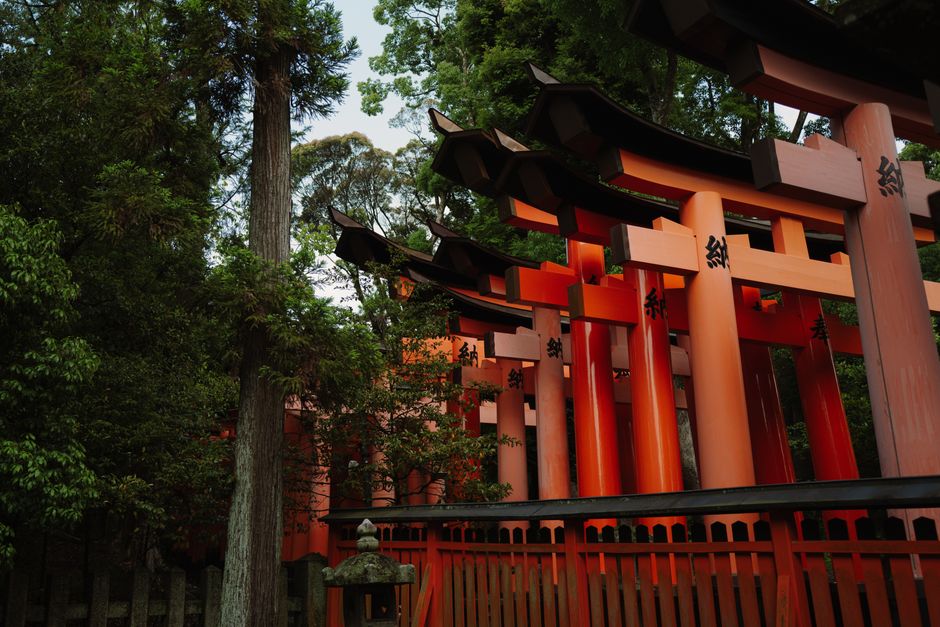
Fushimi Inari Taisha is Kyoto’s most-visited site. The secret is not to go at dawn. Go at dusk. The gates are lit from 5:00 PM to 9:00 PM. Most tourists leave by 6:00 PM. From 7:00 PM onward, you’ll have stretches of the path entirely to yourself.
Take the JR Nara Line from Kyoto Station to Inari Station (5 minutes, ¥140). Walk through the main gate, pass through the first set of gates (the crowded part), and keep going. The hike to the summit takes 2 hours round trip. You don’t need to go all the way—the best photo spots are in the middle section, 30 minutes up.
Safety note: The path is well-lit but has uneven stone steps. Bring a small flashlight. Wear shoes with grip—the stone gets slippery after rain.
Cost: ¥140 train. That’s it. The shrine is free. This is the cheapest day trip on the list and arguably the most memorable.
The single most important takeaway: The best day trip from Kyoto is the one you start before 8:00 AM—every single destination on this list rewards early arrival with empty paths, better photos, and a travel experience that feels like discovery, not a queue.