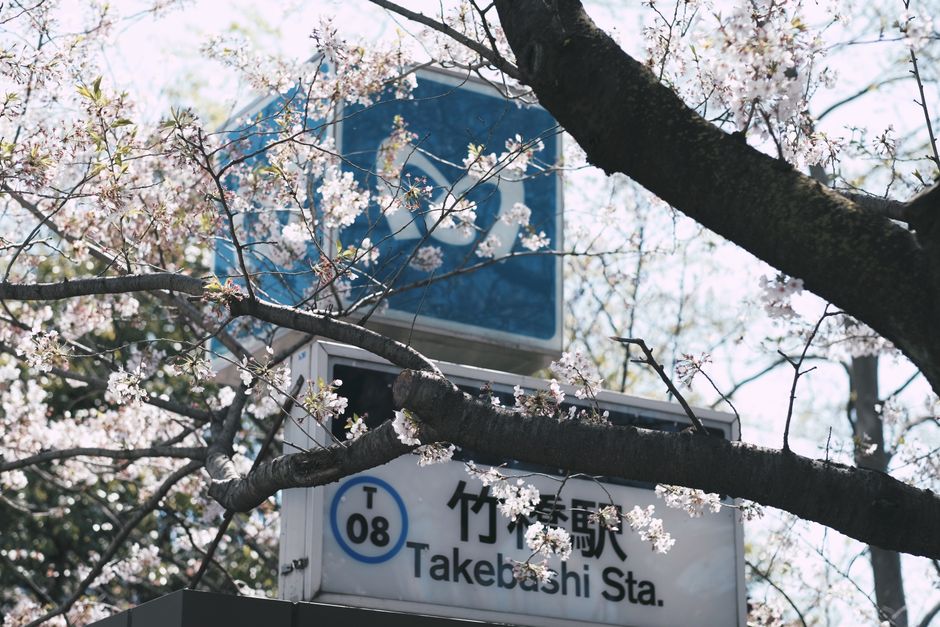
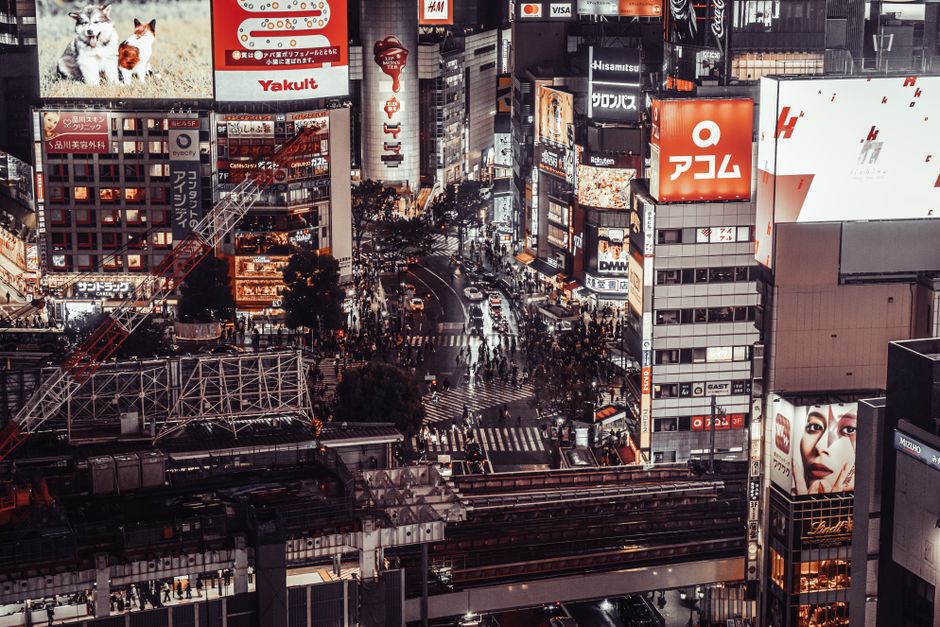
You land at Narita. You step into Shibuya Crossing. You raise your camera. And you get the same shot every tourist gets — a blurry mess of neon and strangers. I know. I did that my first five trips.
I’ve been shooting Japan since 2011. Over 40 trips. Thousands of frames. Most were garbage. But the ones that worked? They followed rules I didn’t learn in any photography class.
This isn’t a gear review. This is a survival guide for getting photos that don’t look like everyone else’s.
The Biggest Mistake: Shooting at the Wrong Time
Japan is crowded. The temples are packed by 9 AM. The bamboo grove at Arashiyama is a human river by 10. If you show up at noon, you’re not getting a clean shot. Period.
The solution is brutal: wake up at 4:30 AM.
I shot Fushimi Inari at 5:15 AM last November. Zero people in frame for the first 45 minutes. The light was soft. The torii gates glowed. By 6:30, the first tour groups arrived. I had my shots and left.
Golden Hour is Non-Negotiable in Japan
The light in Japan is harsh from 10 AM to 3 PM. High contrast. Blown-out skies. Harsh shadows on faces. You can fix some of it in post, but you’re fighting physics.
Sunrise and sunset give you 60–90 minutes of usable light. That’s your window. Plan your locations the night before. Know where the sun rises relative to your subject. I use PhotoPills ($10) to overlay sun paths on maps.
Avoid These Tourist Traps for Photography
Don’t bother shooting the Shibuya crossing from the Starbucks. It’s done. Boring. Instead, shoot from the second-floor walkway at Hachiko exit — lower angle, cleaner lines.
Skip the Golden Pavilion at midday. Go at 3:30 PM in winter. The sun hits the gold leaf at a low angle and the reflection on the pond is unreal.
And for the love of good light, never shoot the bamboo grove between 10 AM and 3 PM. Go at dawn or don’t go.
Gear That Actually Works in Japan (And What Doesn’t)
I’ve carried everything from a Canon 5D Mark IV to a Sony A7C to a Fujifilm X100V in Japan. Here’s what I’ve learned the hard way.
Weight kills your will to shoot. A full-frame body + 24-70mm f/2.8 weighs about 2.5 kg. After six hours of walking, you’ll leave it in the hotel. I did. Three times.
My current kit: Sony A7 IV + Tamron 28-200mm f/2.8-5.6. Total weight: 1.3 kg. Covers 90% of what I shoot. The 28mm is wide enough for temples. The 200mm gets me faces from across a market stall. It’s not the sharpest lens at 200mm, but it’s sharp enough for Instagram and prints up to A3.
| Camera | Weight (body only) | Best For | Price (body only) |
|---|---|---|---|
| Sony A7 IV | 658g | All-rounder, great autofocus | $2,500 |
| Fujifilm X-T5 | 557g | Street photography, film simulations | $1,700 |
| Canon EOS R6 Mark II | 670g | Action, low light, great IBIS | $2,500 |
Don’t bring a tripod to most temples. They’re banned at Kiyomizu-dera, Kinkaku-ji, and many others. You’ll carry it for nothing. A small tabletop tripod (Manfrotto PIXI, $30) fits in a jacket pocket and works for low-light shots on walls or railings.
One Lens I’d Never Bring to Japan
The 50mm f/1.2. Too tight for interiors. Too slow to zoom for street. You’ll miss half your shots. Leave it home.
How to Photograph People in Japan Without Being Creepy
This is where most travelers fail. They shove a 70-200mm in someone’s face from 3 meters away. That’s not street photography. That’s surveillance.
Rule one: ask. Japanese people are polite. If you smile, bow slightly, and point at your camera, most will nod. I’ve shot geisha in Gion, monks in Koyasan, and grandmothers in Kyoto markets — all after asking.
Rule two: don’t shoot geisha in Gion during the day. That’s harassment. They’re walking to work. The locals hate photographers for this. Instead, book a formal geisha performance in a tea house. You get 30 minutes to shoot legally and respectfully.
What to Do When Someone Says No
Smile. Bow. Delete the shot if you already took it. Move on. No argument. No second attempt. Respect is non-negotiable in Japan.
The Transportation Problem: How to Get to the Good Spots
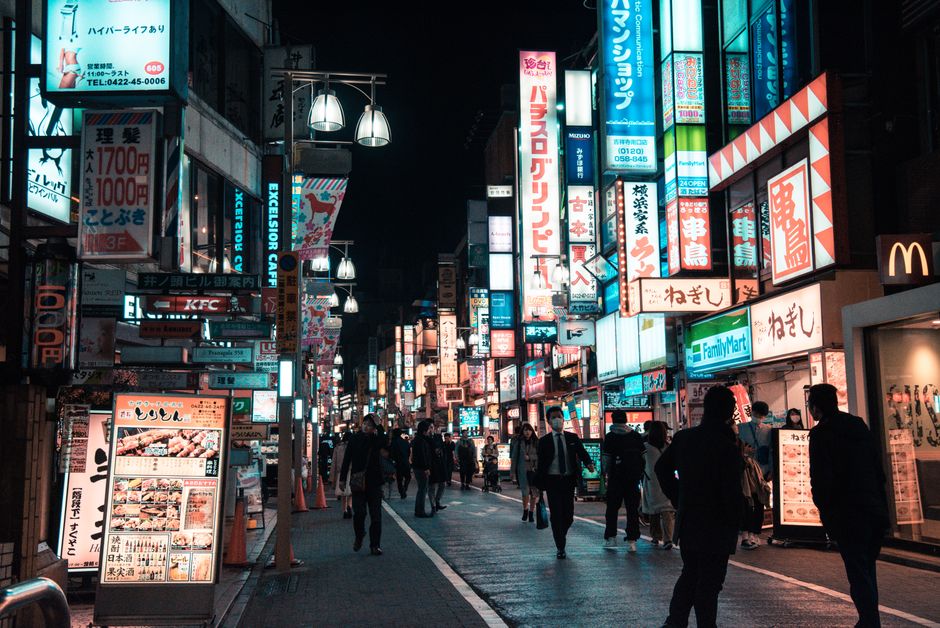
Tourists stick to the Shinkansen and the Yamanote line. That’s why you get the same shots as everyone else.
The real Japan is on the local trains. I spent three days in the Noto Peninsula last year. One train every two hours. Rice terraces. Abandoned shrines. Zero tourists. The photos are my favorites from the entire trip.
Get a Japan Rail Pass (7-day pass: $250). It pays for itself in three long-distance trips. But don’t rely on it for local lines — many are private and not covered. Get a Suica card for subways and buses. Reloadable. Works everywhere.
When NOT to Use the Japan Rail Pass
If you’re staying in Tokyo for 5 days and doing one day trip to Kamakura, the pass is a waste. Buy individual tickets. The pass only makes sense if you’re doing Tokyo → Kyoto → Hiroshima in a week.
Failure Modes: What Will Ruin Your Photos
Rain. You’ll get caught in it. Guaranteed. June is rainy season. September is typhoon season. Carry a rain cover for your bag — I use the Think Tank Hydrophobia ($70). It’s overkill for drizzle but saved my gear in a typhoon in Nagasaki.
Battery drain. Cold weather kills batteries. Winter in Hokkaido? Your Sony battery dies in 45 minutes instead of 2 hours. Carry three. Keep one in your inner jacket pocket. Rotate them.
Memory card failure. I lost a card in 2018. 800 shots gone. Now I use two 128GB SanDisk Extreme Pro cards ($35 each). Swap daily. Never format a card until the photos are on two hard drives.
The Mistake That Costs You the Most
Overplanning. You schedule every minute. You rush from temple to temple. You get stressed. Your photos look stressed. Leave two hours of empty time every day. Wander. Get lost. That’s where the best shots live — in the alleyways and convenience store parking lots, not the UNESCO sites.
The Only Rule That Matters
Shoot what you see. Not what Instagram tells you to see.
Japan is a country of convenience stores and vending machines and salarymen sleeping on trains. Those are the photos that will mean something in 10 years. Not the same torii gate shot with a different filter.
Wake up early. Carry light. Ask permission. Leave space to get lost.
I’ve been doing this for 15 years. I still follow those four rules. They’ve never failed me.