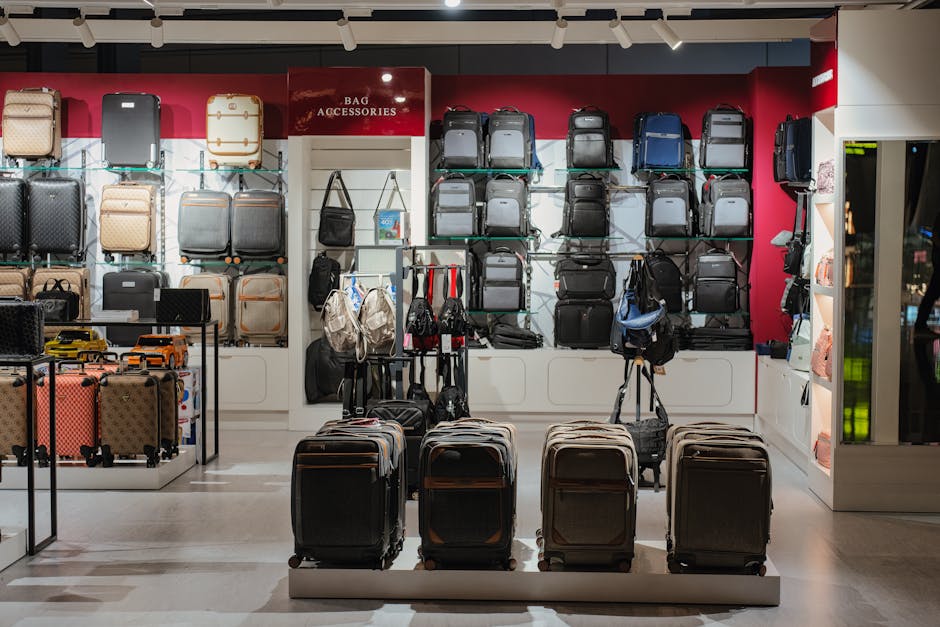
Packing for a trip often means facing a familiar frustration: off-the-shelf travel accessories that just don’t quite work. Perhaps your toiletry bag leaks, or your tech cables become a tangled mess despite using a store-bought organizer. Maybe those “universal” packing cubes never quite fit your specific luggage, or fragile items lack proper padding. You’ve invested money, but nothing feels truly organized, durable, or tailored to your unique travel style.
The best travel accessories aren’t found on a store shelf; they’re made to fit your exact needs. Investing time in sewing your own gear means unparalleled customization, durability, and significant long-term savings. It’s a path to solving those annoying travel problems with precision.
The Hidden Costs of Off-the-Shelf Travel Accessories
Many travelers discover quickly that mass-produced travel organizers and pouches come with a significant catch: they rarely meet specific demands. You might find a packing cube set that’s too bulky for ultralight trips or a tech organizer that lacks a dedicated slot for your portable hard drive. This isn’t just an inconvenience; it represents a tangible cost in terms of efficiency, space, and sometimes even damaged belongings. The “one-size-fits-all” approach almost always means compromise.
Think about the typical lifespan of a cheaply made toiletry bag, often constructed from thin polyester with flimsy zippers. It tears, the lining peels, and the zipper jams after a few trips. This forces repeated purchases, creating both an environmental burden through discarded items and a financial drain over time. The initial low price tag often disguises a much higher long-term cost.
Why Mass-Produced Items Often Fall Short
The biggest failing of commercial travel accessories is their lack of specialized design. Brands aim for broad appeal, which means avoiding niche features. For example, a photographer might need a specific padded insert for a mirrorless camera and two lenses, sized precisely for their backpack. A digital nomad might need a tech roll designed around specific cables, power bricks, and a small mouse. These detailed requirements are almost never met by generic products. The materials used in off-the-shelf items are also frequently chosen for cost-effectiveness over true durability or lightweight performance, leaving you with gear that bulks up your bag without adding real value.
The Environmental & Financial Burden
When mass-produced items fail, they often end up in landfills. This cycle of “buy cheap, replace often” is detrimental. Beyond the ecological impact, the cumulative financial outlay for repeatedly replacing low-quality items can be substantial. A $15 packing cube set replaced every year for five years costs $75. Investing in quality materials – say, $20-30 for fabric and notions – to sew a set that lasts a decade, offers clear financial and environmental advantages. Consider the energy and resources used in manufacturing and shipping countless disposable items versus a single, custom-made piece designed for longevity.
Customization as a Value Multiplier
Sewing your own accessories means you dictate every detail: fabric type, dimensions, pocket placement, closure style, and color. This level of customization transforms a generic item into a highly functional tool perfectly suited for your needs. A custom-sized shoe bag in water-resistant fabric, a padded case for a specific pair of headphones, or a travel wallet with exact slots for your passport, boarding pass, and foreign currency – these are items that add immense value to your travel experience, far exceeding what any store could offer. The initial time investment in learning and creating is repaid many times over in convenience and peace of mind.
Essential Fabrics for Durable, Lightweight Travel Gear

Choosing the right fabric is the single most critical decision for any sewn travel accessory. It dictates the item’s weight, durability, water resistance, and overall feel. A robust fabric can mean the difference between a long-lasting organizer and one that quickly falls apart. Conversely, an ultralight fabric helps minimize bulk, crucial for minimalist travelers.
Here’s a comparison of common high-performance fabrics used in technical sewing:
| Fabric Type | Primary Characteristics | Typical Denier (D) Range | Approx. Cost Per Yard | Best Use Cases |
|---|---|---|---|---|
| Ripstop Nylon | Lightweight, strong, tear-resistant due to interwoven reinforcement threads. Often coated for water resistance. | 70D – 400D | $8 – $15 | Packing cubes, ultralight stuff sacks, laundry bags, compressible organizers. |
| Cordura Nylon | Extremely abrasion-resistant, durable, often textured. Heavy-duty for rugged use. | 500D – 1000D | $12 – $25 | Outer shells for tech bags, toiletry bags, durable pouches, camera inserts. |
| X-Pac Fabric | Laminated composite fabric (three layers: face, X-ply fibers, backing). Highly waterproof, excellent tear strength, distinct diamond pattern. | 200D – 400D (face) | $20 – $40 | Waterproof pouches, tech sleeves, passport wallets, high-performance organizers. |
| Uncoated Nylon/Polyester | Breathable, quick-drying. Lacks water resistance unless treated. | 70D – 210D | $5 – $10 | Mesh pockets, garment bags, breathable laundry bags. |
Ripstop Nylon: The Ultralight Champion
For items where weight is , ripstop nylon is often the top choice. Its unique weave prevents small tears from spreading, making it surprisingly durable for its low weight. Available in various deniers, from a delicate 70D for ultralight stuff sacks to a more robust 210D or 400D for packing cubes and lighter bags, it’s also relatively easy to sew. Many ripstop nylons come with a polyurethane (PU) or silicone (sil-nylon) coating, offering excellent water resistance for items like wet/dry bags or toiletries. When sourcing, look for specific denier ratings and coatings.
Cordura and X-Pac: Heavy-Duty Performance
When you need maximum abrasion resistance and durability, Cordura nylon is an industry standard. Its textured, thick fibers stand up to significant wear and tear, making it ideal for items that will see rough handling, like the exterior of a tech bag or a rugged toiletry kit. For truly waterproof and exceptionally strong gear, X-Pac fabric is a premium option. Its laminated construction means zero water penetration, and the embedded X-ply fibers provide incredible tear strength without excessive weight. While X-Pac is more challenging to sew due to its stiffness and costlier per yard (often $20-$40), its performance for critical items like passport wallets or waterproof tech sleeves is unmatched.
Mesh and Breathable Options
Not everything needs to be waterproof or heavy-duty. For items requiring ventilation or visibility, mesh fabrics are indispensable. Polyester mesh works well for laundry bags, shoe bags, or internal pockets within packing cubes. Power mesh offers stretch and breathability, suitable for water bottle pockets or small, quick-access slots. When selecting mesh, consider the hole size and stiffness – a finer mesh is better for small items, while a larger, stiffer mesh offers more structure.
Optimizing Organization: Must-Sew Pouches and Organizers
The beauty of sewing your own travel accessories lies in creating items perfectly tailored to your packing style and specific gear. These core organizational components are where DIY truly shines, offering solutions far beyond what mass-produced options can provide.
-
Packing Cubes: Sizing for Every Need
Standard packing cubes often come in pre-defined sets that don’t quite maximize space in your luggage. By sewing your own, you can create cubes that perfectly fit the dimensions of your specific suitcase, backpack, or duffel bag. Consider varying depths for different types of clothing: shallow cubes for shirts and underwear, deeper ones for bulkier items like sweaters. Use lightweight ripstop nylon (1.1 oz or 1.6 oz) with a PU coating for durability and a smooth glide into luggage. Incorporate a mesh top panel for visibility and breathability, and use a #3 or #5 YKK coil zipper for smooth operation. You can even add small grab handles made from narrow webbing.
-
Tech Organizers: Protecting Your Gadgets
Tangled cables, misplaced chargers, and unprotected electronics are common travel headaches. A custom tech organizer can solve this. Design dedicated slots for specific items: a padded pocket for a small external hard drive, elastic loops for USB cables and power bricks, a clear vinyl pocket for memory cards or small adapters. Use 200D ripstop nylon for the main body and 3mm or 5mm closed-cell foam for padding. A #5 YKK zipper ensures durability, and a small loop for a carabiner allows easy attachment. Consider a “roll-up” design for compact storage, secured with a buckle or hook-and-loop closure.
-
Toiletry Bags: Spill-Proof Designs
The nightmare of a leaky shampoo bottle is a motivator for many DIY projects. A custom toiletry bag can feature waterproof materials and smart compartments. Use a waterproof fabric like X-Pac or a heavy-duty, coated ripstop nylon (at least 400D) for the exterior and an easily wipeable lining, such as 70D ripstop nylon with a PU coating. Design separate compartments for liquids, brushes, and solid items. A strong #5 YKK AquaGuard zipper (water-resistant) is crucial. You can add internal elastic loops to hold bottles upright and a small hook for hanging the bag in a shower or on a towel rack, keeping items off wet surfaces.
Beyond Basic: Advanced DIY Travel Enhancements
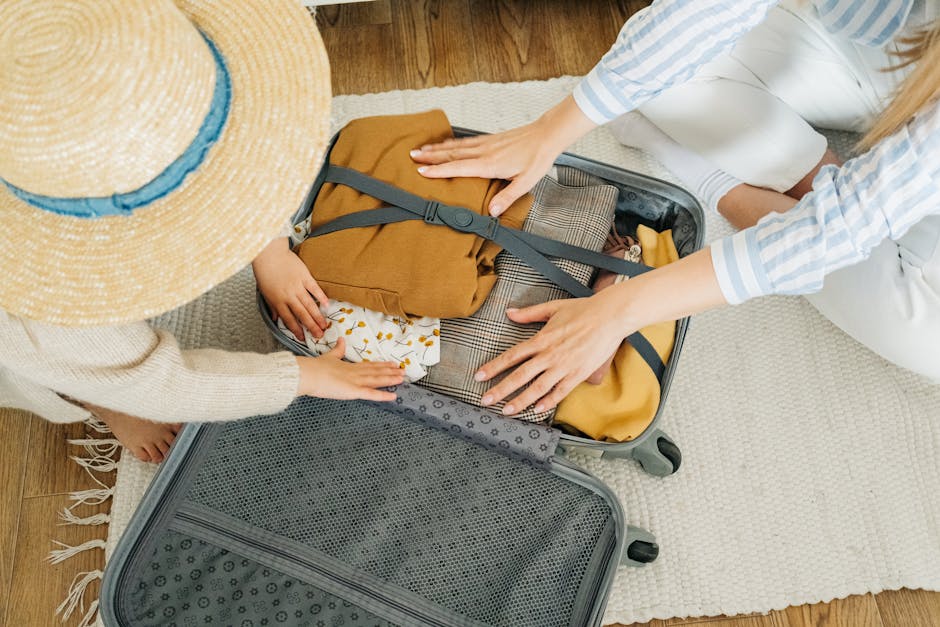
Once you’ve mastered the basics, the world of advanced sewing projects opens up. These items require a bit more skill and planning but offer truly transformative benefits for specific travel needs.
Custom Camera Bag Inserts
Protecting camera gear on the road is , but off-the-shelf inserts often don’t fit unique camera bodies or lens combinations. Sewing your own allows for precise sizing and padding. Use 500D Cordura nylon for the exterior for abrasion resistance, and a softer fabric like microfleece for the interior to prevent scratches. The key is thick, closed-cell foam (6mm-10mm) for padding, often secured with hook-and-loop tape (like VELCRO Brand ONE-WRAP) so dividers can be rearranged. Create individual cells for lenses, camera bodies, and accessories. These inserts can be designed to drop directly into an existing backpack or duffel, turning any bag into a protective camera carrier.
Collapsible Daypacks
A lightweight, packable daypack is invaluable for excursions from a base camp, but many commercial options sacrifice durability for packability. A DIY version can balance both. Use 70D or 100D ripstop nylon for the main body, ensuring it’s strong enough for daily use but still compresses down small. Focus on simple designs: a main compartment, maybe a small front zippered pocket, and side mesh pockets for water bottles. Use strong #3 YKK zippers, narrow webbing for shoulder straps (padded with thin foam if desired), and minimal hardware. The goal is a bag that weighs under 8 ounces and folds into its own pocket or a small stuff sack.
Security Wallets & Passport Holders
Keeping essential documents and money safe requires thoughtful design. A custom security wallet can be designed to wear discreetly under clothing, or a passport holder can consolidate key travel documents. For under-clothing wallets, use soft, breathable fabrics like lightweight ripstop nylon or even a durable cotton blend, avoiding bulky seams. Include multiple zippered pockets for different currencies and a passport. For a passport holder, use a more structured fabric like 200D X-Pac or Cordura for durability and water resistance. Incorporate internal slots for credit cards, boarding passes, and vaccination cards. Consider a slim design with a durable #3 YKK zipper closure.
Choosing the Right Notions for Longevity
Your beautiful fabric choices and precise stitching will mean little if the hardware – the “notions” – fails. This is not the place to economize. Always prioritize quality notions; they are the unsung heroes of durable, functional travel gear.
Zipper Quality: YKK vs. Generic
This is a non-negotiable. For any item you expect to last, use YKK zippers. While they might cost a dollar or two more than generic alternatives, their reliability is unparalleled. Generic zippers are notorious for jamming, splitting, or having sliders that break. YKK zippers, whether coil (#3 for small pouches, #5 for larger openings) or Vislon (chunky plastic teeth for robust applications), offer smooth operation and exceptional durability. For water-resistant items, seek out YKK AquaGuard zippers, which feature a polyurethane-coated tape to repel moisture. This small investment prevents massive headaches down the road.
Webbing, Buckles, and Cord Locks
Just like zippers, the quality of webbing and buckles matters. For strapping and handles, use nylon or polyester webbing, ensuring the width (typically 1/2 inch to 1 inch) is appropriate for the load. Look for “heavy-duty” or “mil-spec” webbing for extra assurance. Buckles should be from reputable manufacturers like ITW Nexus, Duraflex, or Woojin. These brands produce buckles from strong acetal plastic that won’t shatter in cold temperatures or under stress. Cord locks, often used for drawstrings on stuff sacks, should also be sturdy, with a spring mechanism that holds securely. KAM snaps are an excellent choice for closures that need to be quick-release but secure, far superior to cheap metal snaps.
Thread Strength and Stitching Techniques
Thread is the literal glue holding your project together. For travel gear, a strong polyester or nylon thread is essential. Gutermann Mara 70 or Coats & Clark Dual Duty XP Heavy Duty are good starting points. For truly heavy-duty applications, a bonded nylon thread like T-70 is ideal, though it requires a robust sewing machine. Use a longer stitch length (3.0-3.5mm) for structural seams, as shorter stitches can perforate technical fabrics excessively. Double-stitching critical seams (like those on handles or where webbing is attached) adds significant strength. Bar-tacking, a series of closely spaced zigzag stitches, reinforces stress points effectively. Don’t forget to backstitch at the beginning and end of every seam to lock the stitches in place.
Is Sewing Your Own Gear Truly Worth the Effort?
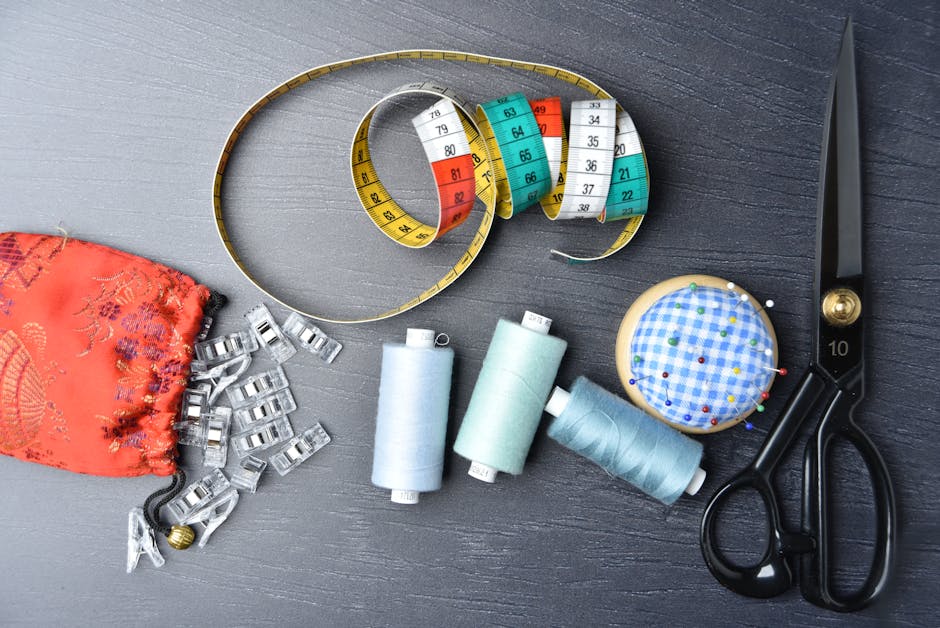
Absolutely. The time and initial investment in sewing skills and materials pay dividends in customized functionality, superior durability, and significant cost savings over repeatedly buying inadequate commercial alternatives. It’s a clear win for the organized, budget-conscious traveler.
Planning Your Next Sewing Project: Resources and First Steps
Embarking on a sewing project for travel gear doesn’t have to be daunting. With proper planning and the right resources, you can confidently create functional, high-quality accessories.
Sourcing Quality Materials
Where can I find suitable fabrics and notions?
Specialized online retailers are your best bet for technical fabrics like ripstop nylon, Cordura, and X-Pac. Websites like Ripstop by the Roll, Rockywoods, and Quest Outfitters offer a wide selection of weights, colors, and coatings, along with high-quality YKK zippers, buckles, and webbing. For thread, local fabric stores or online sewing suppliers usually stock strong polyester options like Gutermann Mara. Look for suppliers that specifically cater to outdoor gear or bag making, as their inventory will be geared towards durability and performance.
Pattern Selection and Modification
How do I find patterns and adapt them to my needs?
Many free and paid patterns for packing cubes, pouches, and simple bags exist online. Websites like LearnMYOG.com (Make Your Own Gear), Thread Theory Designs (for general sewing patterns), and various sewing blogs offer detailed tutorials. Start with simple projects like basic zippered pouches to build confidence. Once you understand construction, modifying dimensions is straightforward. Measure your specific items (e.g., e-reader, power bank, suitcase interior) and adjust pattern pieces accordingly. Don’t be afraid to sketch out your own designs on graph paper to visualize pocket placement and overall dimensions before cutting fabric.
Essential Sewing Tools
What basic tools do I need to get started?
A reliable home sewing machine capable of handling medium-weight fabrics is crucial. Look for a machine with a strong motor and adjustable presser foot pressure. Essential hand tools include sharp fabric shears (Fiskars Amplify or Gingher are excellent), a rotary cutter and self-healing mat for straight lines, a good quality seam ripper, tailor’s chalk or fabric pens for marking, and plenty of sharp sewing machine needles (size 90/14 or 100/16 for heavier fabrics). A walking foot attachment is highly recommended for technical fabrics, as it helps feed multiple layers evenly, preventing puckering and shifting.
The journey into sewing your own travel accessories is one of empowerment. It moves beyond simply buying what’s available to creating exactly what you need, fostering a deeper connection with your gear and your adventures. The possibilities for customization are vast, constantly evolving with new materials and techniques. Your next trip could be perfectly organized, uniquely designed, and entirely made by you.