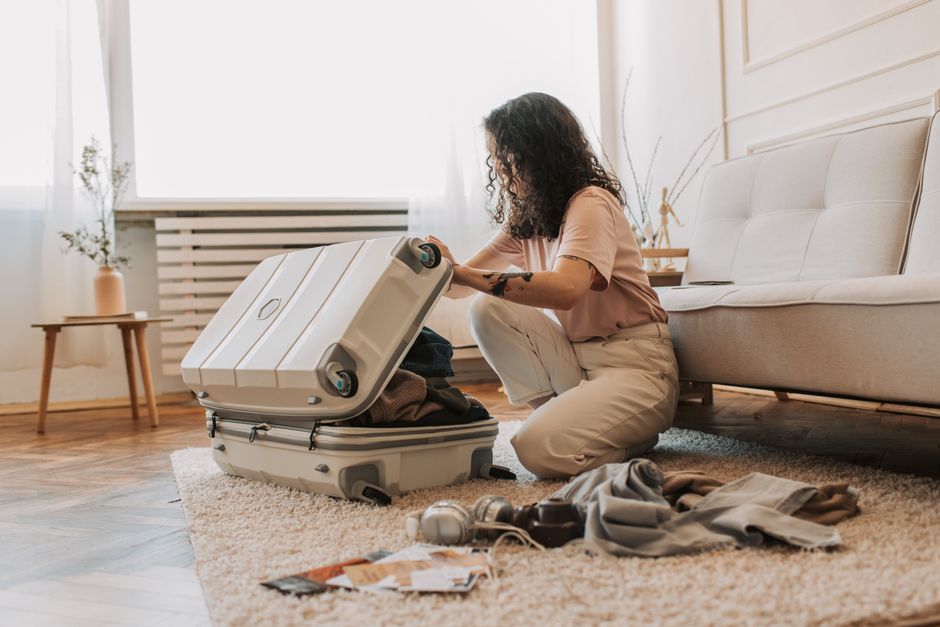
Pack for May with three layers, one pair of reliable walking shoes, and enough weather protection for a day that starts at 48°F and ends at 72°F. The best shoulder-season suitcase is not a larger suitcase. It is a small system that lets you add warmth, block wind, handle rain, and stay comfortable when the forecast changes.
Use the guide below for city breaks, train trips, and flexible itineraries. Prices are approximate US list prices and can change by color, size, or sale.
How to build a three-layer system for changing temperatures
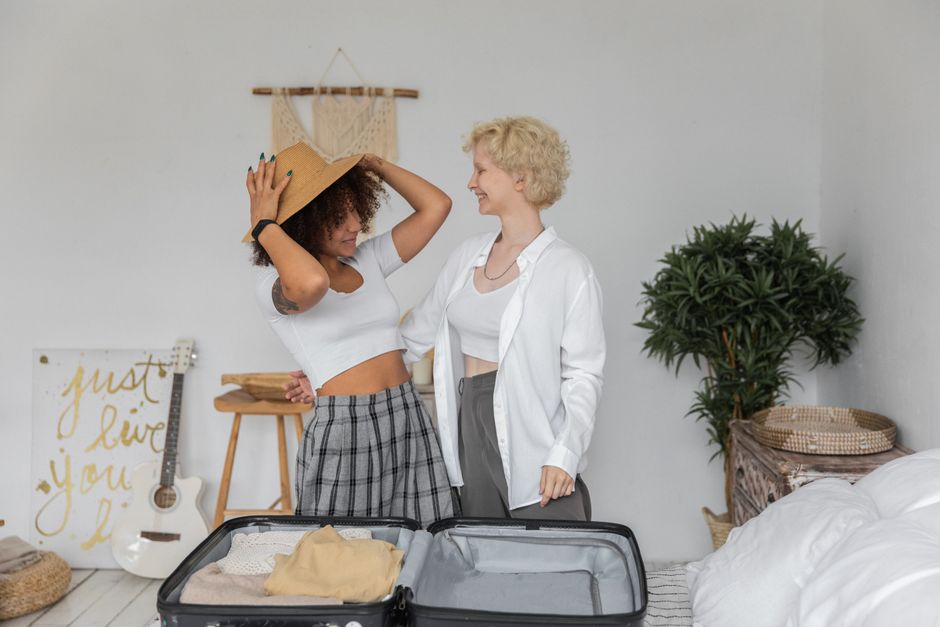
The basic idea behind a layering system is simple: each layer performs one job. The layer next to your skin manages moisture. The middle layer traps warm air. The outside layer blocks wind and rain. This arrangement works better than one thick coat because you can remove one piece at a time as the day warms up.
Start with a breathable base layer
Pack two or three short-sleeve shirts and one long-sleeve shirt. Merino wool works well because it stays comfortable across several wears and does not hold odor as quickly as ordinary cotton. Synthetic workout shirts dry faster after a wash, so they make sense for humid destinations or trips with hand laundry.
Do not pack a base layer so tight that it restricts your shoulders. You need enough room for a warm layer above it. A shirt that fits comfortably under a jacket is more useful than a technically impressive shirt that becomes uncomfortable after ten minutes of walking.
Add warmth without creating suitcase bulk
Choose one thin fleece, light down jacket, or synthetic insulated jacket. It is not a rain jacket, and its insulation will lose usefulness if it becomes soaked, so keep it under a shell in wet weather.
For damp places, synthetic insulation has a practical advantage over down: it retains more warmth after getting slightly wet and usually dries faster. For dry, cold destinations where weight matters most, down packs smaller. The choice is not about a universal winner. It is about matching the insulation to the forecast and your tolerance for careful handling.
Finish with a shell that actually fits over the other layers
Try the shell over your warm layer before leaving home. Bend your arms, raise them above your head, and zip the jacket fully. If the hem rides up or the sleeves expose your wrists, the size is wrong. Look for a hood with an adjustable opening, a full-length zipper, and pockets that remain usable when a backpack hip belt is fastened.
The most common mistake is buying a rain jacket for its folded size and ignoring breathability. A coated plastic shell may keep out rain but feel clammy during a steep walk. For regular walking in wet weather, the Torrentshell 3L earns its higher price through a more protective construction. For occasional drizzle during short urban transfers, a lighter shell may be the smarter buy.
How to pack a May carry-on in five practical steps
Pack in the order you will need things, not in the order you bought them. This keeps the first morning simple and stops you from unpacking the whole bag in a hotel room.
Step 1: Check three forecast points
- Check the forecast for the coldest morning temperature.
- Check the warmest afternoon temperature.
- Check the chance of rain and the wind speed.
Use the coldest morning temperature to choose your warm layer. Use the rain and wind forecast to choose your shell. The warmest afternoon temperature tells you what to wear underneath. If the range is under 15°F, one light jacket may be enough. If the range is 25°F or more, pack both a warm layer and a shell.
Step 2: Pack one complete outfit in your personal item
Place underwear, socks, a top, and a thin bottom in your personal item rather than your overhead bag. Add medication, chargers, and a small toiletry pouch. If an airline loses your larger bag or your connection fails, you still have clean clothes for the first day.
Step 3: Roll soft clothing and fold structured layers
Roll shirts, underwear, and sleepwear. Fold jackets and trousers flat along the natural seams. Put socks inside shoes only if the shoes are clean and dry. Do not compress a down jacket for days inside a tight cube; it needs room to regain loft. A loose stuff sack works better than a hard-sided compression cube for insulated clothing.
Step 4: Keep the weather layer reachable
Put the rain shell at the top of your main compartment or in the outside pocket of a daypack. Pack an umbrella only if local rules and walking plans make it useful. An umbrella can fail in strong wind, while a shell works with both hands free.
Step 5: Test the loaded bag before leaving
Walk around your neighborhood for fifteen minutes with the full bag. Adjust the shoulder straps so the load sits close to your back. If the bag feels uncomfortable at home, it will feel worse after a train station, cobbled street, and airport security line.
The Osprey Daylite Plus is the best daypack pick for this system because its 20-liter capacity leaves room for a shell and warm layer without becoming a giant hiking pack. The Nalgene Wide Mouth 32 oz fits the basic hydration job, but travelers who dislike bulky bottles should choose a soft-sided collapsible bottle instead.
Which May travel gear is worth buying?
Is one pair of walking shoes enough?
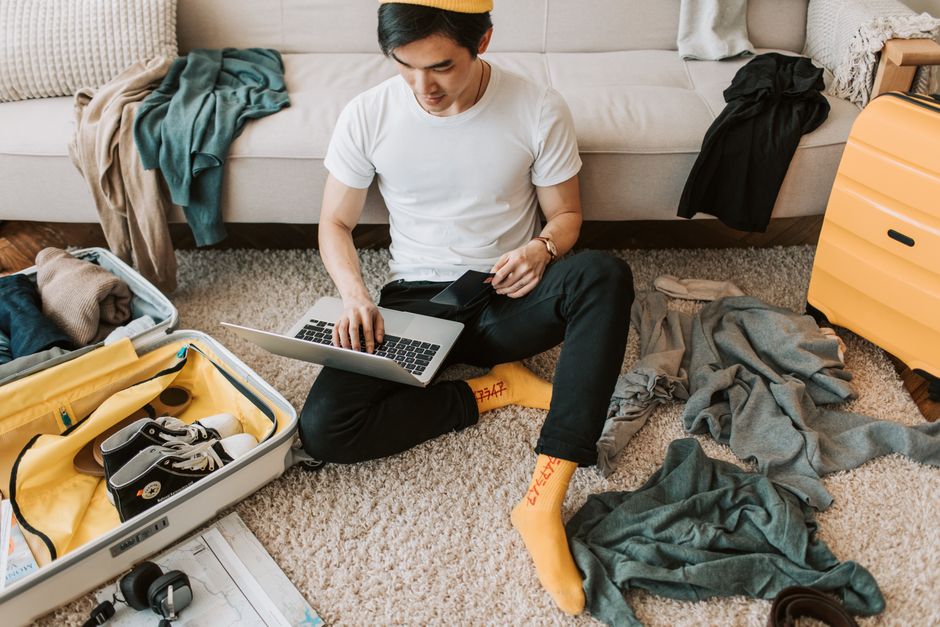
For a city trip with dry-to-mixed weather, yes. It is not the right choice for muddy trails, heavy rain, or cold mountain routes. When those conditions are likely, buy a waterproof trail shoe instead and accept the extra weight.
Do you need a travel backpack as well as a suitcase?
You need a day bag, but it does not have to be a travel-specific backpack. A 15- to 20-liter pack is enough for a shell, warm layer, bottle, sunglasses, and a snack. The Osprey Daylite Plus is the best structured option in this group, especially for travelers who value a supportive harness and separate water-bottle pockets. A simple tote costs less and works for café-heavy trips, but it becomes uncomfortable when carried for several hours.
Are merino socks worth the extra price?
For long walking days, yes. Pack two pairs and wash one in the sink at night. If your itinerary involves mostly taxis, short walks, and warm weather, ordinary synthetic athletic socks are enough and save money.
How to handle rain, heat, and cold on the same day
Build each morning around the first three hours, then keep one change ready for the afternoon. May trips become uncomfortable when travelers dress for the morning and carry nothing for the temperature peak.
What should you wear on a cold, wet morning?
Wear a breathable shirt, a warm middle layer, and the shell on top. Keep your trousers simple and choose shoes with enough grip for slick pavement. Open the shell zipper during indoor transfers so sweat does not collect under the jacket. When you reach your destination, hang the shell open rather than stuffing it wet into a bag.
What should you remove when the afternoon warms up?
Remove the warm layer first and put it in your daypack. Keep the shell available if wind or rain remains possible. Do not tie a bulky jacket around your waist while walking through crowded streets; it catches on chairs and makes public transport awkward. A pack with an exterior compression strap is safer and more comfortable.
What should you do when the forecast changes?
Use a simple decision rule: if rain is likely for more than thirty minutes, carry the shell; if wind is above roughly 15 mph, keep the shell accessible even under a clear forecast; if the afternoon reaches 70°F or higher, wear the lightest base layer and carry warmth instead of wearing it. This keeps the plan usable without checking the weather every hour.
Avoid buying a full new wardrobe for one May trip. Start with the pieces already in your closet, replace the one item that creates the largest problem, and spend money on comfort where you will feel it every day. That approach leaves room in the budget for the destination itself while still giving you a reliable answer when the forecast changes.