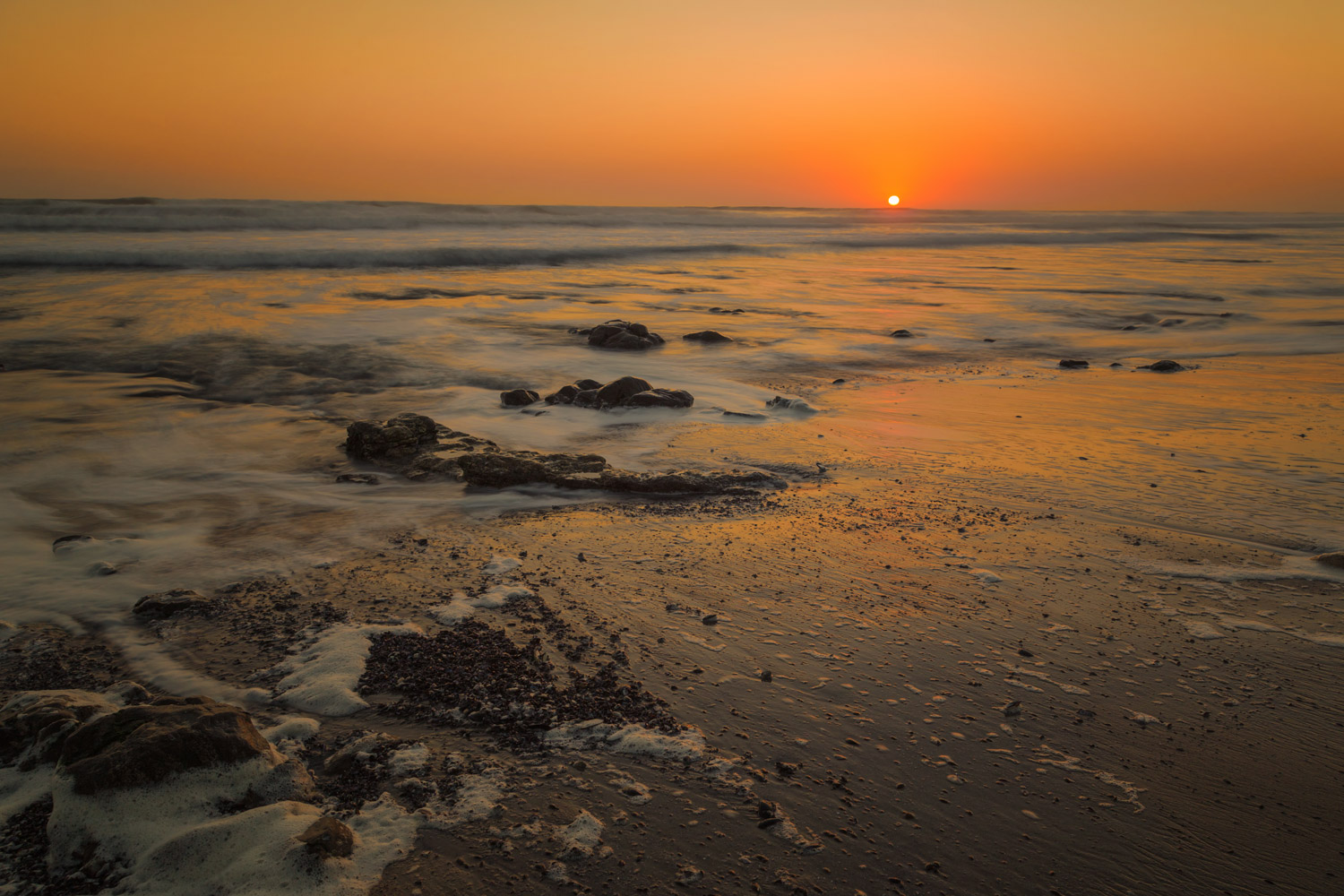
Ready to tackle Namibia’s vast landscapes but feel overwhelmed by the logistics of planning an epic self-drive adventure? You’re not alone. Namibia offers unparalleled freedom and breathtaking scenery, yet its remote nature demands meticulous preparation. Forget generic advice. This guide walks you through every practical step, from mapping your route to packing the right gear, ensuring your journey through this stunning desert nation is as smooth as it is memorable.
Crafting Your Namibia Itinerary: Routes and Stops
Designing the perfect Namibia itinerary involves balancing ambition with reality. The country is immense, distances are significant, and road conditions vary drastically. Trying to see everything in a short timeframe leads to exhaustion and less immersion. Focus on key regions for your first trip, allowing ample time in each spot to truly experience its unique character.
Prioritizing Key Regions for Your First Trip
Most first-time visitors typically focus on a loop that covers the south-central and northern highlights. The classic route often starts in Windhoek, heads south to Sossusvlei for the iconic dunes, then west towards Swakopmund for coastal activities. From there, you’d turn north through Damaraland to encounter desert-adapted wildlife and ancient rock art, culminating in Etosha National Park for prime game viewing. A typical 10-14 day itinerary might look like this:
- Day 1-2: Windhoek arrival, stock up, drive to Sossusvlei area (Sesriem Canyon, Dune 45, Big Daddy).
- Day 3-4: Drive to Swakopmund/Walvis Bay (quad biking, kayaking, scenic flights).
- Day 5-6: Drive north through Skeleton Coast Park (view shipwrecks, Cape Cross Seal Colony) towards Damaraland (Twyfelfontein, Spitzkoppe).
- Day 7-9: Drive to Etosha National Park (Okaukuejo, Halali, Namutoni camps for game drives and waterholes).
- Day 10: Return drive to Windhoek, possibly via a cheetah conservation project.
This path balances iconic sights with manageable driving days. Consider adding Fish River Canyon in the deep south only if you have 18+ days; it’s a significant detour.
Calculating Realistic Daily Driving Distances
Namibia’s gravel roads, while generally well-maintained, are not highways. Average speeds on main gravel roads (C-roads) are typically 60-80 km/h. On smaller, rougher tracks (D-roads or private farm roads), this can drop to 30-40 km/h. Never rely on Google Maps’ estimated driving times for gravel roads; they are often wildly optimistic. A drive from Sossusvlei to Swakopmund, which looks like 350 km, can easily take 6-7 hours including stops for fuel, photos, and general fatigue. Plan for maximum 300-400 km driving days, and ideally, keep some days under 200 km, especially if you plan activities upon arrival. The goal is enjoyment, not setting speed records.
Securing Accommodation: Campsites and Lodges
Accommodation, particularly campsites within national parks, books out months in advance, especially during peak season (July-October). Do not arrive without a booking. Namibia Wildlife Resorts (NWR) manages all government-run campsites and lodges within Etosha, Sossusvlei (Sesriem), and other parks. Their online booking system can be clunky, so consider emailing or calling their central reservations office directly. For private campsites and lodges outside NWR, platforms like Booking.com, SafariNow, or direct contact with the establishment work well. Always confirm your booking via email. Expect to pay between NAD 250-450 per person per night for a campsite and NAD 1500-4000+ for a mid-range lodge room.
Selecting the Right Vehicle for Namibian Roads
Choosing the correct vehicle is the single most critical decision for a Namibian self-drive trip. Your safety, comfort, and ability to access key attractions depend entirely on it. While some main roads are tarred, the vast majority connecting national parks and remote areas are gravel. Ignoring this fact can lead to significant problems, including punctures, breakdowns, and being stranded.
4×4 vs. 2WD: The Non-Negotiable Choice
For almost every self-drive itinerary in Namibia that goes beyond paved roads, a 4×4 vehicle is essential. Not necessarily for driving in 4-wheel-drive mode constantly, but for its higher ground clearance, robust suspension, and more durable tires. Attempting Sossusvlei’s 4×4-only track in a 2WD will get you stuck (and incur hefty recovery fees). Driving gravel roads at speed in a low-clearance 2WD risks tire damage, stone chips, and suspension issues. While a 2WD might get you between major towns on tar, it severely limits your adventure. Don’t compromise here.
Top Rental Options and Their Offerings
Several reputable companies specialize in 4×4 rentals equipped for overlanding in Namibia. These vehicles typically come with rooftop tents, full camping gear, dual battery systems, and often a fridge/freezer. Compare these features carefully, as included items can vary.
| Rental Company | Typical Vehicle | Key Features | Price Range (per day, est.) |
|---|---|---|---|
| Asco Car Hire | Toyota Hilux 4×4 (Double Cab) | Rooftop tent(s), camping gear, fridge, long-range fuel tank. Known for reliability and comprehensive setup. | NAD 1200 – 2000 |
| Britz 4×4 Rentals | Toyota Hilux 4×4, Land Cruiser | Similar to Asco, often newer fleet. Offers various vehicle sizes, good insurance options. | NAD 1300 – 2200 |
| Bushlore Africa | Toyota Land Cruiser 70-series | Heavy-duty, robust. Ideal for very remote, extended trips. Often more expensive, but extremely capable. | NAD 1500 – 2500 |
| Avis / Hertz (Local Branches) | Various 4×4 SUVs (e.g., Ford Ranger) | May offer 4×4, but often less equipped for camping. Check ground clearance and tire type. Less specialized for self-drive camping. | NAD 900 – 1800 |
When booking, scrutinize the insurance options. Standard insurance often has a high excess. Opt for a zero-excess or low-excess option if available, as gravel road damage (windscreen chips, tire punctures) is common. Also, confirm the included mileage and extra charges for additional drivers or border crossings if you plan to visit neighboring countries like Botswana.
Essential Permits and Park Entry Procedures
Navigating Namibia’s permit system might seem daunting, but it’s a straightforward process once you understand the steps. Most national parks and conservation areas require an entry permit and payment of conservation fees. Ignoring these requirements can lead to fines or denial of entry, disrupting your carefully planned itinerary.
-
Understand Park Categories and Fees
Namibia has several categories of protected areas, each with specific entry requirements. The primary ones for tourists are the National Parks (e.g., Etosha, Namib-Naukluft which includes Sossusvlei) and certain recreational areas (e.g., Skeleton Coast). Fees are typically paid per person per day, plus a fee per vehicle per day. For example, as of 2026, Etosha National Park fees are approximately NAD 100 per person per day for international visitors, plus NAD 50 per vehicle per day. These fees are subject to change, so always check the Ministry of Environment, Forestry and Tourism (MEFT) website or NWR’s site for the latest figures.
-
Where to Obtain Permits
For most national parks, you’ll obtain your permit directly at the park gate upon entry. For instance, entering Etosha National Park at Anderson Gate (near Okaukuejo) means you’ll stop at the office there, fill out a form, and pay the fees. Keep your receipt safe, as it will be checked at exit gates. For Sossusvlei, you’ll pay at the Sesriem Gate. Some remote areas or specific activities (like the Skeleton Coast Permit for driving through) might require pre-application at a MEFT office in Windhoek or Swakopmund. This is less common for standard tourist routes but important to verify.
-
Payment Methods and Required Documents
Payments at park gates are almost always in Namibian Dollars (NAD) cash. While some larger gates might accept card payments, relying on cash is safer and faster. ATMs are available in major towns like Windhoek, Swakopmund, and Outjo. You will need your passport, vehicle registration papers (provided by your rental company), and your itinerary (especially for longer stays or specific areas) to complete the permit forms. Ensure all details are accurate to avoid issues.
-
Entry and Exit Times
National parks have strict entry and exit times, usually from sunrise to sunset. These are enforced for wildlife and visitor safety. Arriving after closing or attempting to leave before opening can result in fines. Plan your driving days to ensure you reach your gate with plenty of time to spare, especially if you have to queue for permits. Check the exact gate times for each park you plan to visit, as they can vary slightly with the seasons.
-
Conservation and Community Fees
Beyond standard park entry, some conservancies (especially in Damaraland) may charge additional community or conservation fees. These are typically paid directly to the local conservancy office or your accommodation provider within that area. These fees directly contribute to local communities and wildlife conservation efforts, so factor them into your budget. For example, visiting Twyfelfontein rock engravings will involve a separate payment to the local community office there.
Packing Smart: Gear for Desert Self-Sufficiency
Namibia’s beauty lies in its vastness and isolation, but this also means you need to be largely self-sufficient. Packing wisely isn’t just about comfort; it’s about safety and preparedness. Forget over-packing; focus on essentials that enable independence in remote areas.
Navigational Aids and Communication Tools
- Offline Maps: Crucial. Download entire Namibia regions on Maps.me and Google Maps before you leave home. Maps.me is excellent for finding small tracks and points of interest, while Google Maps offers better road network overview.
- iOverlander App: An invaluable resource for finding campsites, fuel stations, water points, and points of interest, all with user reviews. Download its offline data.
- GPS Device (Optional but Recommended): A dedicated GPS like a Garmin Montana can be a lifesaver if your phone dies or gets lost.
- Satellite Communicator: Absolutely essential for emergencies outside cellular range. A Garmin InReach Mini 2 ($350-400 plus subscription) allows two-way satellite messaging and SOS calls. Do not rely solely on a local SIM card; vast swathes of Namibia have no network coverage.
- Local SIM Card: Purchase an MTC or TN Mobile SIM card in Windhoek. MTC generally has better coverage, especially on main routes. Top up with data bundles.
- Power Bank & Car Charger: Multiple high-capacity power banks (e.g., Anker PowerCore 20000mAh) and a robust 12V car charger are non-negotiable for keeping all devices charged.
Camp Kitchen and Water Storage Essentials
- Fridge/Freezer: Most rental 4x4s come with a dual-battery-powered fridge (e.g., Dometic CFX3 or Engel). Confirm this with your rental company. This is far superior to a cooler box for multi-day trips.
- Water Storage: Carry at least 20-30 liters of potable water in sturdy jerry cans or a dedicated water tank. Daily consumption for drinking, cooking, and light washing adds up quickly. Water is scarce in many areas.
- Basic Cooking Kit: Your rental typically includes pots, pans, plates, cutlery, and a gas stove (single or dual burner). Verify the condition and completeness of this kit upon pickup.
- Food Supplies: Stock up in larger towns like Windhoek, Swakopmund, or Outjo. Smaller settlements have limited, expensive options. Think non-perishables, canned goods, and fresh produce that lasts.
- First-Aid Kit: A comprehensive kit including pain relievers, anti-diarrhea medication, antiseptic wipes, bandages, and any personal prescriptions. Add rehydration salts.
Beyond these, remember a good headlamp, comfortable walking shoes, sun protection (wide-brimmed hat, SPF 50+ sunscreen), layered clothing for temperature swings, and a decent pair of binoculars for wildlife viewing. Two spare tires and a puncture repair kit are also critical, usually supplied by your rental company. Always inspect them.
Staying Connected and Safe in Namibia’s Remote Wilderness
Do not underestimate Namibia’s vastness and the isolation it brings. While this remoteness is a core part of its appeal, it requires a proactive approach to safety and communication. Relying solely on a smartphone for navigation and emergencies in the deep desert is a recipe for trouble. Cellular network coverage is sparse outside major towns and along primary tarred routes, leaving vast areas as complete communication dead zones. Your ability to call for help, even for a simple flat tire, can be severely hampered without backup systems.
Emergency Communication Devices: A Must-Have
Invest in or rent a satellite communication device. A Garmin InReach Mini 2 is an excellent choice for its compact size, two-way messaging, and SOS function that connects you to a global emergency response center. It costs around $350-$400 upfront, plus a monthly subscription (starting around $15-$20 for basic plans). This isn’t an optional gadget; it’s a critical safety tool. If your rental company offers satellite phones, consider that as well, though they are often more cumbersome and expensive for short trips. Carry fully charged power banks for all devices.
Offline Navigation Apps to Rely On
Even with a satellite communicator, having robust offline navigation is . Download entire country maps on at least two different apps. Maps.me excels for its detailed trails and points of interest, often crowdsourced, making it useful for finding obscure campsites or water sources. Google Maps allows you to download regions for offline use and offers reliable road network data for major routes. Additionally, the iOverlander app is indispensable for finding fuel, water, campsites, and other essential services, all with user-generated comments and photos—and it works entirely offline once its database is downloaded. Cross-reference your location across these apps. Physical paper maps, like those from Tracks4Africa, also provide a valuable backup, especially for understanding the larger geographical context.
Proper preparation isn’t just about comfort; it’s the foundation for a truly unforgettable and safe Namibian adventure.