Imagine this: You’re backpacking through Southeast Asia, the sun setting over a quiet beach. Instead of another restaurant meal, you cast a line from the shore. Within minutes, you feel a tug. Fresh fish for dinner. This isn’t just a fantasy. With the right gear and a little know-how, catching your own food while traveling is entirely possible. It adds a unique, memorable layer to any adventure.
Traveling with fishing gear means embracing self-sufficiency. It’s about more than just saving money. It connects you directly with the environment and local culture. You learn about the water, the local species, and even new cooking methods. This guide details the essential equipment and knowledge for any traveler looking to make their next meal truly their own.
Why Pack a Fishing Rod for Your Next Trip?
Carrying a fishing rod might seem like an extra burden when space is limited. However, the benefits extend far beyond simply securing a meal. It transforms your travel experience. You engage with locations differently. Local interaction often increases when you participate in an activity like fishing, which is central to many coastal and riverside communities.
It’s an invitation to slow down. Instead of rushing from one tourist spot to another, you spend time by the water. Observing. Waiting. This can be incredibly meditative. It offers a genuine escape from the fast pace of modern travel, allowing for deeper immersion in your surroundings. The thrill of landing a fish you’ve caught yourself, far from home, is a unique satisfaction.
Unexpected Culinary Adventures
Freshly caught fish tastes different. Better. When you catch your own, you control the freshness. You decide how it’s prepared. This opens doors to culinary exploration. You might learn a traditional preparation method from a local. Or invent your own simple recipe using local ingredients. A grilled snapper on a beach, caught an hour earlier, becomes a travel highlight. It’s food with a story, direct from the source.
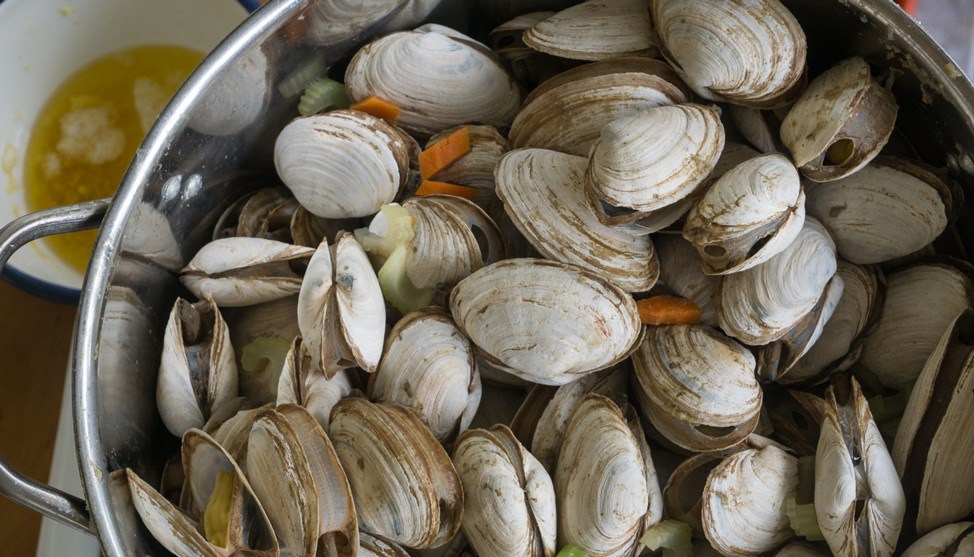
Consider the cost savings too. Eating out every night adds up. Catching even a few meals can significantly reduce your food budget. This allows for more adventures, or simply extends your trip. Beyond fish, many coastal areas offer opportunities for foraging shellfish or edible seaweed, further diversifying your self-sourced menu. It pushes you to experiment with new flavors and cooking techniques, often with minimal equipment.
Unplugging from the Grid
Modern travel often means constant connectivity. A fishing trip forces you to disconnect. No notifications. No endless scrolling. Just you, the water, and the natural world. It’s a powerful way to reset. The focus required for fishing pulls you into the present moment. You become acutely aware of your surroundings: the wind, the tides, the subtle movements in the water. This kind of mindful engagement is rare in daily life.
This forced disconnection can be incredibly rejuvenating. It offers a true break from digital demands. You rely on your own skills and observations. There’s a primal satisfaction in this self-reliance. It builds confidence. And when you do land a fish, the sense of accomplishment is pure and untainted by external distractions.
Cultural Connection Through Local Waters
Fishing is a universal language. Many communities worldwide rely on fishing for sustenance and livelihood. Showing an interest in their methods or sharing your own can open conversations. You might get tips on local hotspots. Learn about specific local bait. Or simply share a quiet moment by the water with a local angler. These interactions are often the most memorable parts of a trip.
Observing local fishing practices teaches you about the area’s ecology and traditions. You see how different cultures approach the same activity. This offers a deeper understanding of the destination than any guidebook could provide. It’s a respectful way to engage with a place, moving beyond mere tourism to genuine participation.
Best Travel Fishing Rods for Compact Packing
The key to travel fishing gear is portability. A good travel rod breaks down into multiple pieces or telescopes to a very short length. This makes it easy to stow in a backpack or carry-on. You need something durable enough for various conditions but light enough not to be a burden.
Here are some top contenders for different travel styles:
| Model | Rod Type | Packed Length | Segments | Typical Price (USD) |
|---|---|---|---|---|
| Daiwa Ardito-TR Travel Rod | Multi-piece (Spin/Cast) | 22-29 inches | 4-6 | $180 – $250 |
| Shimano STC Mini Tele Spinning Rod | Telescopic | 11.8 – 15.7 inches | 7-9 | $100 – $150 |
| Okuma Voyager Spinning Travel Kit | Multi-piece | 17 inches | 5 | $70 – $100 |
Daiwa Ardito-TR: Performance on the Go
The Daiwa Ardito-TR Travel Rod stands out for its versatility and high performance. It’s available in both spinning and casting configurations, and comes in various lengths and powers. The unique aspect is its V-Joint ferrule system, which ensures a smooth, powerful bend, making the multi-piece rod feel like a single-piece. This rod breaks down into four to six sections, typically fitting into a hard case around 22 to 29 inches long. For serious anglers who refuse to compromise on feel and strength, this is the top choice. It handles larger fish better than most travel rods.
Shimano STC Mini Tele: Ultralight and Portable
For ultimate portability, the Shimano STC Mini Tele Spinning Rod is hard to beat. This telescopic rod collapses down to an incredibly small size, often under 16 inches. It disappears into a backpack without a trace. While telescopic rods sometimes lack the sensitivity of multi-piece rods, Shimano has engineered this model to be surprisingly responsive. It’s perfect for light tackle fishing, small rivers, and shore casting for panfish or smaller saltwater species. Its convenience makes it ideal for spontaneous fishing opportunities.
Okuma Voyager Kit: All-in-One Convenience
The Okuma Voyager Spinning Travel Kit is an excellent value for beginners or those seeking an all-inclusive solution. It typically includes a 5-piece rod, a matching spinning reel, and a padded travel case. The rod packs down to about 17 inches. While not as refined as the Daiwa or as compact as the Shimano Mini Tele, it offers a functional setup right out of the box. The reel is pre-spooled in some kits, making it ready to fish almost immediately. It’s a dependable workhorse for general-purpose fishing on vacation.
Essential Small Tackle Box Contents
A minimalist approach is best for a travel tackle box. You need versatile items that work in different environments without taking up much space. Think small, durable, and multi-purpose. A compact utility box, like the Plano StowAway Utility Box, with adjustable dividers, keeps everything organized.
Hooks and Lures for Any Water
- Assorted Hooks: Carry a small selection of J-hooks (sizes 4-1/0) and circle hooks (sizes 2-1/0). Circle hooks are excellent for catch and release, minimizing harm to the fish.
- Swivels: Ball bearing swivels (sizes 8-12) prevent line twist, especially when using spinning lures.
- Weights/Sinkers: Split shot weights and a few small bullet or egg sinkers (1/8 oz to 1/2 oz) for bottom fishing or casting further.
- Soft Plastics: A few packets of grub tails, small worms, or paddle tail swimbaits (2-3 inches). These are versatile and effective for many species.
- Small Spoons/Spinners: One or two small metal spoons (e.g., Kastmaster 1/4 oz) and inline spinners (Mepps Aglia No. 1 or 2). These imitate baitfish and attract various species in both fresh and saltwater.
- Topwater Lure: A small popper or walking bait can be exciting for surface strikes, especially during dawn or dusk.
Line, Leaders, and Swivels
- Extra Fishing Line: A small spool of 8-12 lb monofilament or fluorocarbon line. Monofilament is forgiving; fluorocarbon offers better sensitivity and abrasion resistance.
- Leader Material: A small coil of 15-20 lb fluorocarbon leader. This adds a layer of protection against abrasion from fish teeth or rough structures. It’s also nearly invisible underwater.
- Line Clippers: A small, sharp pair of clippers or nail nippers. Essential for tying knots and cutting line cleanly.
Basic Tools Every Angler Needs
- Small Pliers: Needle-nose pliers or multi-tool pliers. Crucial for removing hooks safely from fish and for bending wires.
- Headlamp or Small Flashlight: For early morning or late evening fishing.
- First-Aid Kit: Small one with band-aids, antiseptic wipes, and pain relievers. Hooks are sharp.
- Sun Protection: Sunscreen, a wide-brimmed hat, and polarized sunglasses are non-negotiable for comfort and safety on the water.
Portable Fish Finders: Do You Need One?
Portable fish finders have become more advanced and compact, appealing to traveling anglers. But are they truly necessary for a casual trip? For most spontaneous fishing, probably not. However, for those serious about increasing their catch rate in unfamiliar waters, they offer a significant advantage.
What is a portable fish finder?
A portable fish finder is a compact sonar device that sends sound waves into the water. These waves bounce off objects like fish, structure, and the bottom, returning to the device. The finder then interprets these signals to display an image of what’s beneath the surface on your smartphone or a small dedicated screen. They typically connect via Wi-Fi or Bluetooth and are castable or mountable on small boats.
How accurate are these devices?
Modern portable fish finders are surprisingly accurate. Devices like the Deeper Smart Sonar PRO+ 2 and Garmin Striker Cast can map bottom contours, identify fish arches, and even measure water temperature and depth with impressive precision. The PRO+ 2, for example, offers dual-beam sonar (up to 260 feet deep) and built-in GPS for creating bathymetric maps from shore or a kayak. These details are invaluable for understanding a new fishing spot’s potential.
However, their effectiveness depends on water conditions and user experience. Clear, calm water yields better results. Learning to interpret the sonar returns takes practice. They don’t guarantee a catch, but they certainly reduce guesswork and help you locate promising spots more efficiently than just casting blindly.
Which models offer the best value?
For most travelers, the Deeper Smart Sonar PRO+ 2 is an excellent choice. It offers robust features, reliable connectivity, and a long battery life (up to 9 hours). Its castable design is perfect for shore, kayak, or small boat fishing. The ability to create detailed maps is a huge benefit for revisiting productive spots. The Garmin Striker Cast is a strong competitor, offering similar castable functionality and seamless integration with Garmin’s ecosystem for those already using Garmin devices. Both retail around $180-$250, a worthwhile investment for dedicated anglers who want to maximize their time on the water.
Travel Permits and Regulations: What to Know
Before you cast a line, always check local fishing regulations. Rules vary wildly by country, region, and even specific body of water. Most places require a fishing license. Violations can lead to hefty fines or equipment confiscation. A quick online search for “[country name] fishing license” usually provides the necessary information.
Basic Fishing Techniques for Beginners Abroad
For beginners venturing into new waters, simplicity is . Overcomplicating your approach will lead to frustration. Focus on mastering one or two basic techniques well. This increases your chances of success and builds confidence for more advanced methods later. Don’t chase exotic species with complex rigs initially. Aim for common, readily available fish.
Understanding the local fish behavior and preferred baits will always give you an edge. Observe local anglers. They are a wealth of knowledge. Watch their techniques, ask simple questions (if language allows), and learn from their experience. Often, the simplest, most traditional methods are the most effective for catching fish that are accustomed to them.
Simple Bait Fishing Approaches
Bait fishing is often the easiest entry point. Find natural local bait: worms, small minnows, or even pieces of shrimp from a market. A simple rig involves a hook, a small weight (like a split shot), and a bobber or float. The bobber indicates bites, and the weight keeps your bait down. Cast it out and wait. This method works well in lakes, slow-moving rivers, and calm coastal areas.
For bottom fishing, remove the bobber and use a heavier weight to keep the bait on the seabed. This targets bottom-dwelling species. Ensure your bait is presented naturally. Don’t use too much bait; a small, appealing portion is better than a large, intimidating chunk. Always check local regulations on bait types; some areas restrict live bait or specific non-native species.
Effective Lure Casting Basics
Lure fishing is more active. It involves casting and retrieving an artificial lure to mimic prey. Spinners and spoons are excellent starting points. Cast your lure, let it sink slightly (depending on depth), then retrieve it at a steady pace. Vary your retrieve speed. Add small twitches. Experiment until you find what triggers a bite. This technique is effective for predatory fish in both fresh and saltwater.
Pay attention to where you cast. Look for structure: submerged rocks, logs, weed lines, or changes in bottom depth. These are often where fish hide or ambush prey. Don’t be afraid to cover a lot of water. If one spot isn’t producing, move a few yards down the bank or beach and try again. Persistence pays off with lure fishing.
Reading the Water for Success
Good anglers read the water. Look for signs of fish: ripples, jumping baitfish, or birds diving. Observe currents and eddies. Fish often congregate where currents bring food or offer shelter. Identify transitions: where a sandy bottom meets rocks, or where shallow water drops off into deeper areas. These are prime feeding zones.
Water clarity also matters. In clear water, fish might be more wary; use lighter lines and smaller lures. In murkier water, brighter colors or lures that create more vibration might be more effective. Pay attention to the tides in saltwater environments. Incoming tides often bring fish closer to shore as they follow baitfish into shallower waters.
Cleaning and Cooking Your Catch on the Go
Catching a fish is only half the battle. Knowing how to properly clean and cook it, especially in remote or minimalist travel settings, completes the experience. Proper handling ensures your meal is safe and delicious.
Field Dressing Your Fish
Once you’ve caught a fish you intend to eat, clean it quickly. This prevents spoilage and preserves flavor. The simplest method is field dressing: immediately bleed the fish and remove its guts. This is best done as close to the water as possible.
First, dispatch the fish humanely with a sharp blow to the head. Next, make a cut behind the gills, severing the main artery to bleed it. Then, make a shallow cut along the belly from the anus to the gills. Scoop out all internal organs. Rinse the cavity thoroughly with clean water. Keep the fish cool until ready to cook. If you have ice, use it. Otherwise, cook as soon as possible, ideally within a few hours.
Simple Cooking Methods for Travel
Traveling light means cooking simply. A small, portable cooking stove (like a MSR PocketRocket 2) and a single pot or pan are usually sufficient. For fish, pan-frying or grilling are excellent choices.
- Pan-Frying: Heat a small amount of oil (olive or coconut oil travels well) in a pan. Season the fish fillets or whole, scaled fish with salt and pepper, maybe some dried herbs (oregano, thyme). Cook for 3-5 minutes per side, depending on thickness, until opaque and flaky.
- Foil Packet Grilling/Baking: This method requires no pan. Wrap the fish (fillets or whole, gutted fish) in heavy-duty aluminum foil with a dash of oil, salt, pepper, and any available aromatics like sliced onion or lemon. Place directly on hot coals from a campfire, on a grill rack, or even in a preheated oven if you have access to one. Cook for 15-20 minutes, flipping once, until done.
- Stick Roasting: For a truly primitive experience, skewer whole, gutted fish onto a clean stick. Roast slowly over an open fire, turning frequently. This requires patience but yields a smoky flavor.
Food Safety Considerations
Food safety is critical, especially when traveling. Always cook fish thoroughly. It should flake easily with a fork and be opaque throughout. Avoid eating raw or undercooked fish unless you are absolutely certain of its source and handling, which is rare in a travel scenario. Be mindful of local water quality; some areas may have pollution that makes fish unsafe to eat.
If you have any doubts about the fish species or its health, do not consume it. Some fish, even common ones, can carry toxins depending on their diet or the season. When in doubt, let it go. Always wash your hands thoroughly with soap and water (or hand sanitizer) after handling raw fish. Keep your cooking utensils and cutting surfaces clean to prevent cross-contamination.