
Montreal in winter rewards travelers who plan around indoor connections, short outdoor walks and reliable meal stops. The strongest route links the Underground City, Old Montreal and the Old Port without treating cold weather as an afterthought.
How do you use Montreal’s Underground City?
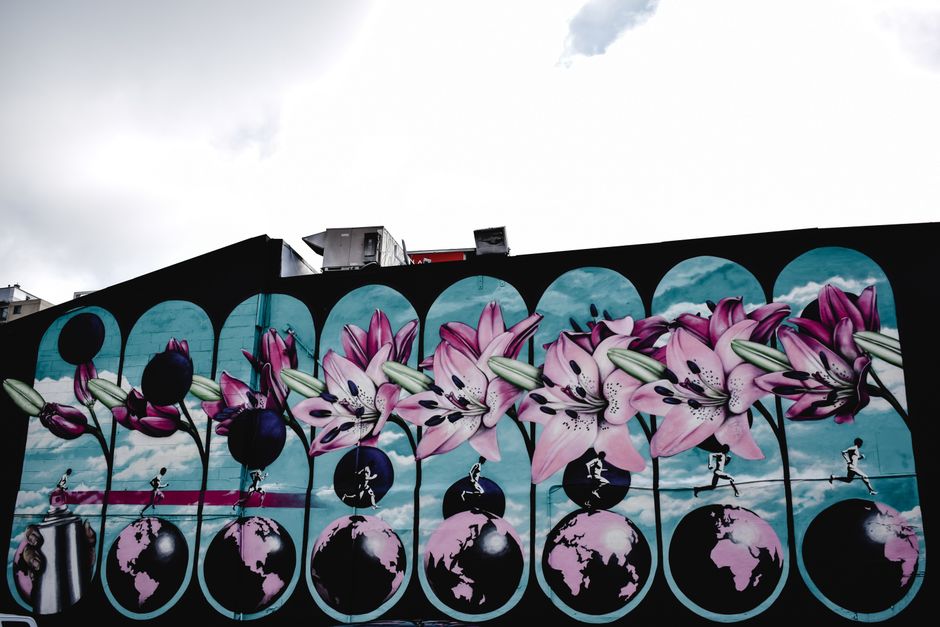
The Underground City is not one cavern with a single entrance. It is a connected network of shopping centers, office buildings, metro stations, hotels, restaurants and passageways known as RÉSO. The useful mental model is a covered city grid: some stretches are obvious, some corridors change level, and some connections close earlier than nearby businesses.
Start with the right downtown anchors
Use Place Ville Marie, Eaton Centre, Complexe Desjardins and the central metro stations as navigation anchors. Place-des-Arts, McGill, Peel, Bonaventure and Square-Victoria–OACI stations put you near different parts of the network. The official route is not always the shortest route on a phone map because exterior entrances, indoor doors and mall hours create gaps. Save the names of your next two landmarks rather than relying on a blue line that may send you outside.
Build a warm route in stages
- Enter through a metro station or a hotel connected to the network.
- Walk one indoor segment before stopping for coffee or a meal.
- Use a visible landmark, such as a shopping center or public atrium, to confirm your direction.
- Check the next building’s hours before leaving the current one.
The main failure mode
The common mistake is assuming every underground passage stays open as long as the metro. Retail corridors can close when stores close, and a door that works at noon may not work after dinner. Keep a coat accessible even on a fully indoor day. You may need to cross one street, climb a stairway or exit into wind to complete the connection. The Underground City is a strong cold-weather tool, not a sealed weatherproof tunnel.
For a first visit, use RÉSO to connect downtown shopping, museums and food halls, then return to street level for Old Montreal. Trying to force the entire historic district into the underground network wastes time because Old Montreal’s value comes from its stone buildings, narrow streets and waterfront views.
What should you do in the Old Port during winter?
Use the Old Port as a short, scenic outdoor chapter, not an all-day endurance test. Start around Place d’Armes or Saint-Paul Street, walk toward the waterfront, and keep a warm indoor destination ready. The district looks excellent under fresh snow, but river wind can make the temperature feel much lower than the forecast.
A practical Old Port sequence
- Begin with coffee or breakfast in Old Montreal.
- Walk Saint-Paul Street while shops and galleries are open.
- Continue toward the Old Port promenade and the Grand Quay.
- Pause for photographs before your hands become too cold.
- Return uphill toward a museum, restaurant or metro connection.
The route works because it uses the Old Port’s strongest feature—its historic setting—without pretending the waterfront is comfortable for several continuous hours in January. The Grand Quay, the river edge and the Clock Tower area are easy to combine, but wind exposure can change quickly. Wear boots with grip, keep your phone inside an inner pocket and avoid walking backward while taking photographs on packed snow.
What to skip in poor conditions
Skip a long waterfront loop during freezing rain, heavy snow or strong wind. Choose the interiors of Pointe-à-Callière, the Montreal Science Centre or a nearby restaurant instead, then return outside when visibility improves. A winter itinerary should protect the rest of the day. One cold mistake at 10 a.m. can turn every later stop into a search for hand warmers and dry socks.
My verdict is simple: visit the Old Port every winter trip, but give the outdoor portion 45 to 90 minutes and keep the rest of the day flexible.
How should you travel between downtown, Old Montreal and the food halls?
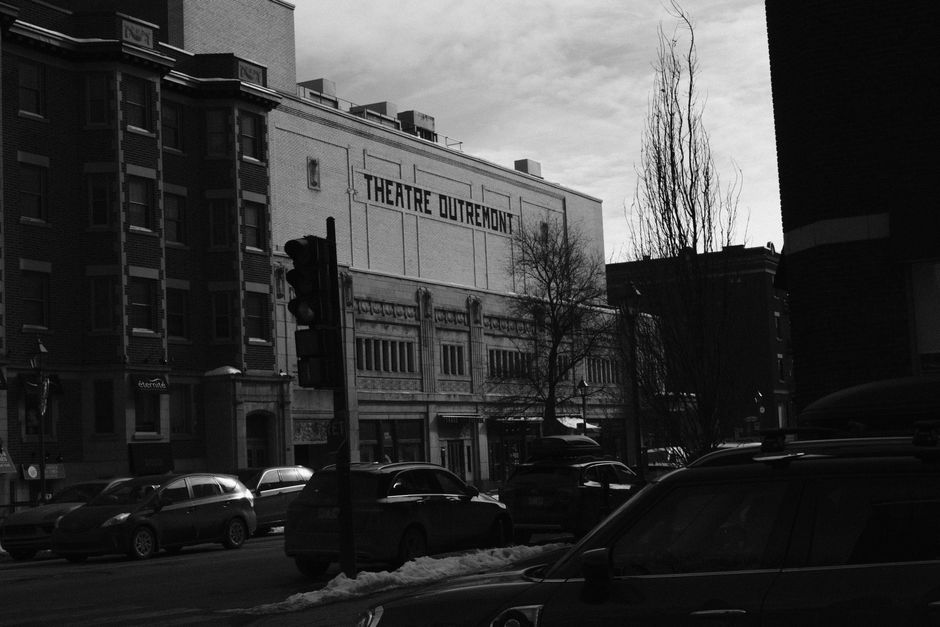
Public transit is the sensible default for this route. Driving adds parking costs, snow-clearing delays and the risk of walking several exposed blocks from a garage. The STM’s Zone A regular fare is listed at $3.75 for one trip, while its 24-hour, three-day and weekly fares are listed at $11.25, $21.75 and $33.25. Confirm the fare before departure on the official STM fare page, since transit prices can change.
Compare the useful fare options
| Fare | Listed regular price | Useful for | Decision |
|---|---|---|---|
| One trip | $3.75 | One or two rides in a day | Use for a mostly walking itinerary |
| 24-hour pass | $11.25 | Several metro or bus rides in one day | Choose when cold weather may change plans |
| Three-day pass | $21.75 | A short city break with daily transit | Strong fit for this itinerary |
| Weekly pass | $33.25 | Seven days with frequent rides | Worth it only for a longer stay |
Use one simple transfer rule
Group neighborhoods rather than crossing the city repeatedly. Spend the morning downtown and inside RÉSO, move to Old Montreal after lunch, then finish near a food hall or metro station. The STM says a standard one-trip fare allows transfers within its validity period, but keep the validated fare with you in case inspectors ask for proof of payment.
OPUS cards can hold several fare types, and fares can also be purchased through the Chrono app or at metro stations. For a three-day visit, the three-day fare is my clear pick when the schedule includes the Underground City, Old Port and at least one evening meal away from the hotel. It costs more than walking, but it buys flexibility when snow, wind or tired legs change the plan.
Which Montreal food hall works best in winter?
Food halls solve a specific winter problem: a group can eat different cuisines in one warm room without coordinating several reservations. They also give solo travelers a lower-pressure meal because counter service and shared seating are normal. The tradeoff is noise, variable wait times and less of the neighborhood atmosphere found in a small restaurant.
Compare the main downtown choices
| Food hall | Location | Best fit | Clear verdict |
|---|---|---|---|
| Time Out Market Montréal | Eaton Centre, downtown | Large groups and broad choice | Best first stop for mixed appetites |
| Le Central | Saint-Laurent Boulevard and Sainte-Catherine Street | International food and a lively setting | Best for a social evening |
| Le Cathcart | Place Ville Marie | Indoor dining near RÉSO | Best during a storm or short lunch break |
| Marché Artisans | Fairmont The Queen Elizabeth | Prepared food and hotel convenience | Best for a quick, polished stop |
How to avoid a disappointing meal
Do not arrive at the busiest dinner period expecting every counter to have a short line. Go before noon, after 2 p.m. or near the end of lunch if your schedule is flexible. Check the current vendor list before walking across town because food-hall tenants change. Tourisme Montréal’s current overview lists vendors at Time Out Market and Le Central, including restaurants, bars, cafés and dessert counters.
My specific recommendation is Time Out Market Montréal for a first visit because it offers the broadest range of choices in one location. Choose Le Cathcart when the weather is deteriorating and you are already near Place Ville Marie. Do not choose a food hall when the meal itself is the main event; reserve a neighborhood restaurant instead.
What mistakes should you avoid on a three-day winter itinerary?
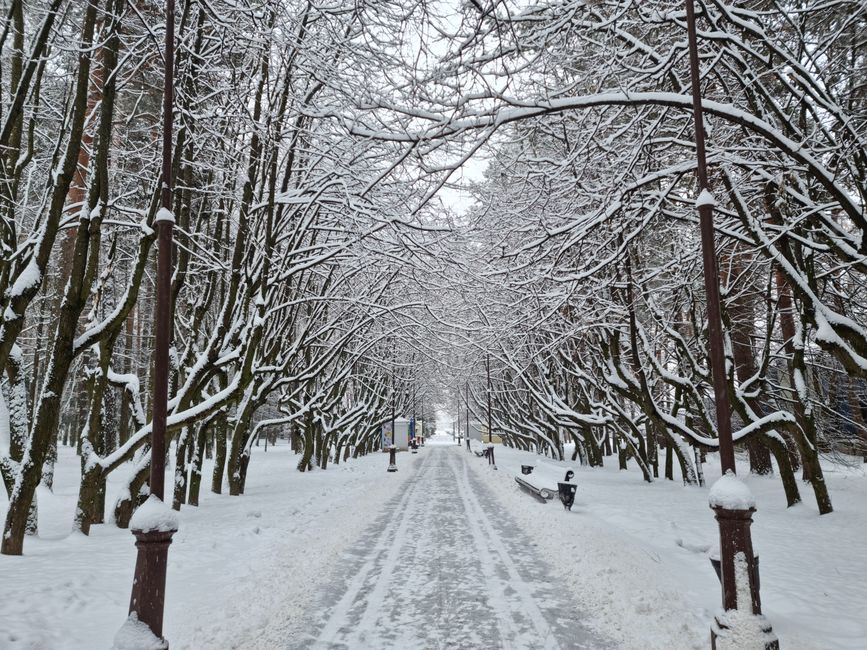
A good winter schedule has fewer outdoor stops than a summer schedule and more recovery points. The itinerary fails when travelers measure success by the number of attractions visited instead of the number of comfortable transitions completed.
How many major stops fit in one day?
Plan two major areas and one flexible meal stop per day. Combining RÉSO with downtown museums works. Combining the Old Port, Mount Royal, a distant neighborhood and an evening event creates too many exposed transfers. Give each outdoor block a fixed limit, then move indoors before the cold dictates the decision for you.
Which mistakes cost the most time?
- Wearing smooth-soled fashion boots on icy sidewalks.
- Putting gloves in checked luggage or leaving them at the hotel.
- Assuming every Underground City entrance has the same hours.
- Booking a waterfront activity without checking winter operating dates.
- Planning a long restaurant walk after a full day in wet snow.
- Ignoring early darkness when scheduling photographs.
What should you confirm before leaving home?
- Check the weather, wind and precipitation rather than temperature alone.
- Confirm attraction hours, food-hall vendors and holiday schedules.
- Load the correct STM fare and save an indoor backup route.
- Reserve only the meals that truly need reservations.
Travel insurance can also contain exclusions for missed activities, weather disruption and pre-existing conditions, so read the wording instead of assuming a policy covers every winter inconvenience. Ratings such as AM Best or J.D. Power can provide context for an insurer, but they do not replace the contract. Premiums vary by state and individual factors, and travelers who need coverage should get multiple quotes and check any state-specific requirements tied to rental cars or existing policies.
The single most important takeaway is to build Montreal in winter around short outdoor walks, dependable indoor connections and flexible meals.