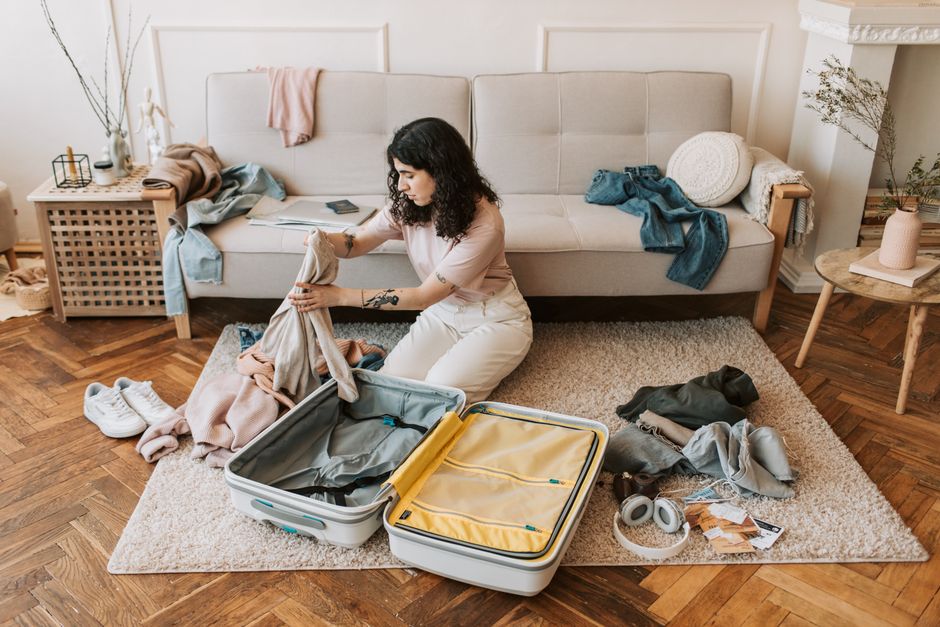
The common mistake is blaming the bag. A long weekend feels overpacked because people pack four complete outfits, full-size toiletries, spare shoes, and a fantasy version of themselves who needs every option. The fix is a tighter system: one flexible bag, a small outfit plan, and clear limits on bulky items.
The real problem is not bag size
A packed long weekend does not need a large suitcase. It needs fewer decisions. Most people carry too many separate categories: travel clothes, dinner clothes, walking clothes, sleep clothes, weather clothes, and emergency clothes. Those categories overlap, but the suitcase treats them as six different wardrobes.
Pack around activities, not calendar days
Start with the trip itself. List the actual activities in order: flight, city walking, one nicer meal, outdoor time, and the return journey. Then build clothes that can cross between those moments. A dark pair of trousers can handle the airport, a restaurant, and a cool evening. A plain T-shirt can work under a shirt or sweater. One light overshirt can replace a jacket in mild weather.
The target is not minimalism for its own sake. The target is one useful item doing two jobs. If a garment only works in one narrow situation, it must earn its space through comfort, weather protection, or a major change in appearance.
Use the four-day ceiling
For a two- or three-night trip, pack for four days of use, not four full outfits. That usually means three tops, two bottoms, four pairs of underwear, four pairs of socks, sleepwear, one warm layer, and one pair of shoes worn on the plane. Add a swimsuit or workout kit only if the itinerary proves you will use it.
That ceiling leaves room for a charger, medication, toiletries, and a small amount of food without turning the bag into a stiff, uncomfortable block. The best long-weekend pack is the one that closes easily on the first attempt.
How to make four outfits fit without packing four outfits
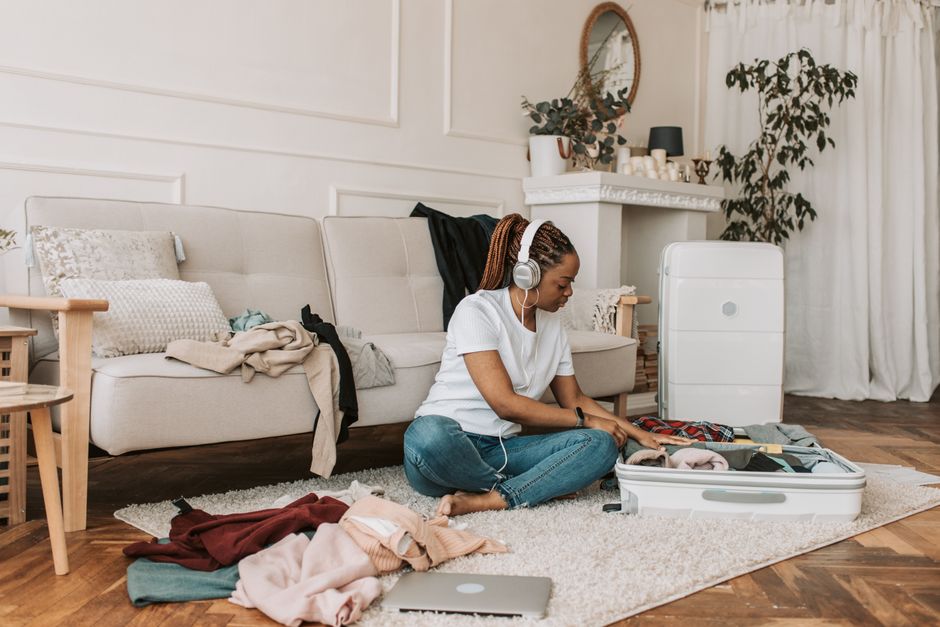
The basic packing rule is simple: repeat the base layer and change the top layer. People resist this because they imagine photographs, sweat, and bad weather. Those are real concerns, but they do not require a separate outfit for every day. They require fabric choices and a washing plan.
Build a small color system
Choose two neutral colors and one accent. Black, navy, and olive work well because most combinations look intentional. Pack three tops that can all work with both bottoms. Keep prints small and loud colors limited to one item. This creates more combinations from fewer pieces and stops the classic mistake of bringing a shirt that matches nothing else.
Use a simple test before packing: lay every garment on the bed and create at least three complete combinations. If a top appears in only one combination, remove it unless it serves a special purpose. A dress or jumpsuit can pass this test by covering the entire outfit in one piece, but it still needs to work with the shoes and outer layer.
Control bulk before it enters the bag
Wear the largest items during transit. That usually means trousers, walking shoes, a sweater, and the heavier jacket. Pack the lighter pieces. Roll thin T-shirts if that makes them easier to see, but do not roll thick knitwear into tight cylinders; that wastes space and creates hard lumps. Fold sweaters flat along the top of the main compartment.
Keep a small laundry bag inside the pack from the start. On the second night, put worn underwear and socks there instead of mixing them with clean clothes. If the trip lasts four nights, wash one set in the hotel sink and hang it near moving air. A 100ml bottle of concentrated detergent takes less room than two extra outfits.
- Pack one sleep set, not a fresh set for every night.
- Pack one pair of shoes unless the second pair serves a specific activity.
- Use a light scarf or overshirt as an extra layer instead of adding another jacket.
- Leave 10 percent of the bag empty so souvenirs and reshuffling do not become a fight.
Which carry-on backpack wins on a long weekend?
The best bag for most long weekends is the Osprey Daylite Expandable Travel Pack 26+6. It is the clear winner for travelers who want a light bag that can work as a personal item on many flights.
2026 comparison of the leading weekend packs
Why the cheapest winner is the smartest winner
The Osprey leaves more of your weight allowance for clothes because the pack itself is lighter than the other three. Its 26-liter setting is compact, while the extra 6 liters give you a safety valve for a jacket or gifts. The tradeoff is organization: it has less built-in separation than the Cotopaxi and less work-focused structure than the Patagonia.
Choose the Patagonia Black Hole Mini MLC 30L if you need a 15-inch laptop, a tablet, and clothing in the same bag. Choose the Cotopaxi Allpa 28L if a suitcase-style opening matters more than low weight.
Pack this way: a five-step loadout
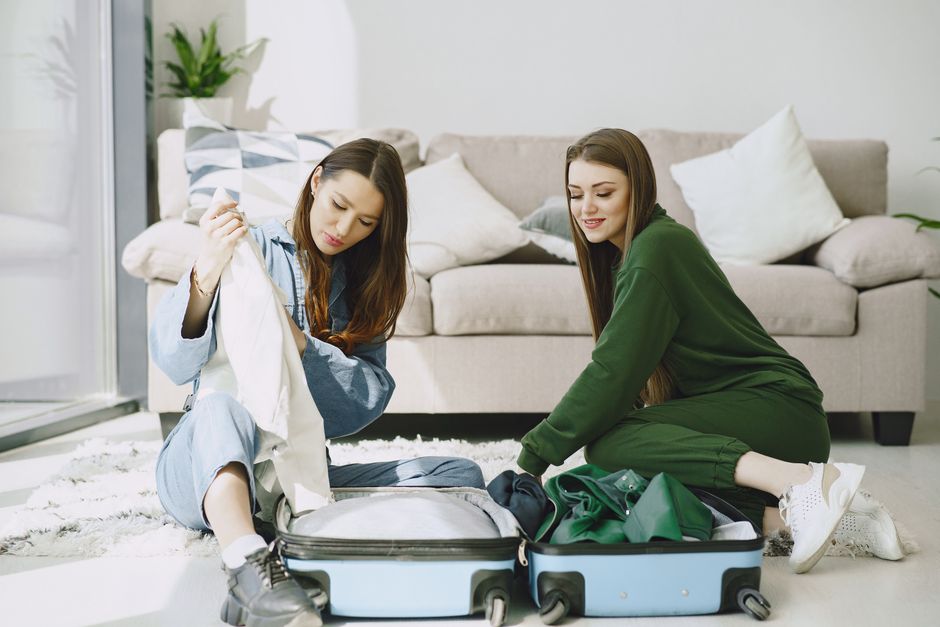
Buying the right bag does not solve bad packing. The load has to sit close to your back, the items you need at security must stay reachable, and the space must remain flexible. The order below works especially well in the Osprey Daylite 26+6, but the same logic applies to the Patagonia, Cotopaxi, and Peak Design packs.
The order that keeps the bag usable
- Wear the heavy layer. Put on the walking shoes, trousers, and jacket during transit. Do not waste your main compartment on the items that weigh the most.
- Place soft clothing at the back. Put folded trousers and a sweater against the rear panel. This creates a flat base and keeps hard objects away from your spine.
- Use one cube for small clothing. Put underwear, socks, and sleepwear together. A cube is useful because it compresses one category; three cubes often become empty containers that steal space.
- Keep liquids upright and reachable. Put toiletries in a clear 1-quart bag near the top or in the front pocket. Do not bury medication, contact lenses, or a toothbrush under clothes.
- Reserve the expansion zone. Keep the top layer loose enough for a sweater or a small purchase. If the zipper needs force on departure, the bag is already too full.
The mistake that makes every bag feel small
Do not fill every pocket just because it exists. A front pocket packed with chargers, snacks, sunglasses, cables, and passports can become heavier than the main compartment. Use one small pouch for electronics and keep travel documents in a single external pocket. The Patagonia Black Hole Mini MLC 30L handles this well because its office and clothing zones are easy to separate, while the Cotopaxi Allpa 28L is better for people who want every garment visible when the main compartment opens.
For a light, low-cost setup, the Osprey remains the better buy. It makes you pack fewer objects, and that restriction is useful.
When carry-on-only travel is the wrong plan
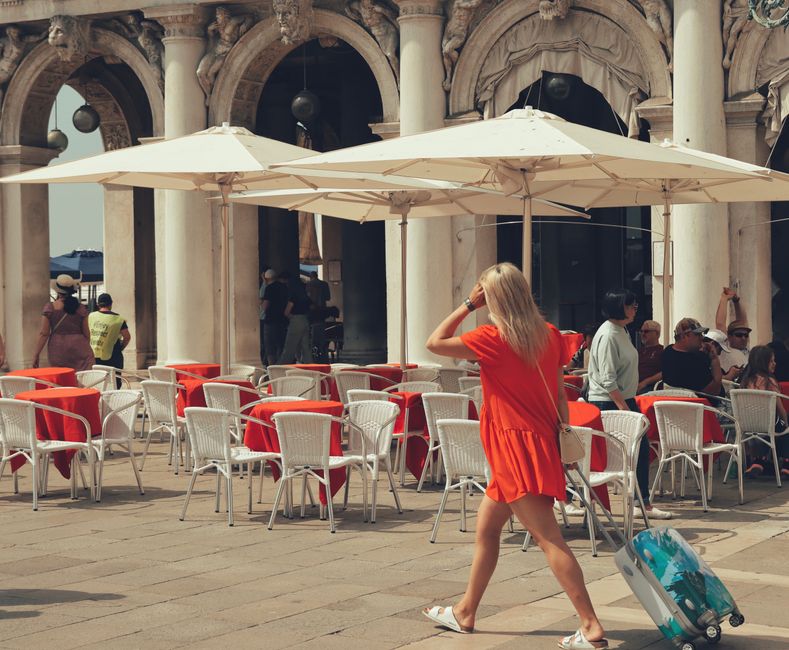
Carry-on only is a tool, not a moral test. It stops making sense when the bag becomes painful, the airline charges more for the privilege, or the trip requires gear that cannot shrink.
Choose checked luggage for real bulk
Check a bag for ski clothing, climbing equipment, musical instruments, medical supplies, or a formal event with shoes and tailored clothing. Also check luggage when the trip spans cold and warm climates and you cannot wear the bulky layer in transit. A forced carry-on can cost more in damaged gear, laundry time, and frustration than a checked-bag fee.
The final verdict for a full-feeling weekend
For a normal city long weekend, take the Osprey Daylite Expandable Travel Pack 26+6, pack three tops and two bottoms, wear the heavy items, and leave a little room empty. That combination handles four days without turning the airport into a clothing negotiation. The opening problem was never a lack of luggage. It was trying to carry every possible version of the trip.