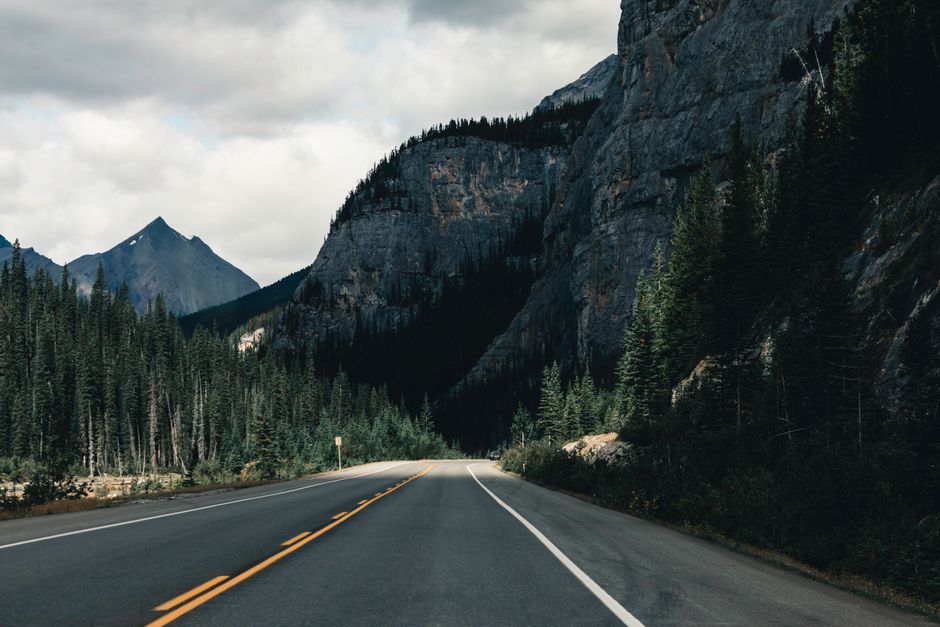
You arrive at 10:30 a.m. on a Tuesday expecting an empty park. Instead, the entrance line is 40 cars deep, the main trailhead is full, and the road to your backup hike is closed because snow arrived overnight. Your hotel was cheaper. Your trip was not easier.
The winning formula is simple: choose the shoulder season for your specific park, visit Tuesday through Thursday, and plan around access rules instead of hotel prices. That approach beats blindly chasing spring or fall.
Shoulder season works best when the weekday is strategic
The winning weekday
Tuesday, Wednesday, and Thursday are the strongest days for most national park trips. Monday can still carry weekend traffic, especially at parks near large cities. Friday behaves like a weekend at popular parks, and holiday Mondays erase much of the benefit.
For a short trip, arrive before 8 a.m. on Wednesday, use the busiest viewpoint before lunch, and save flexible stops for Thursday afternoon. This pattern gives you the best chance of finding parking without turning the whole trip into a race.
The shoulder-season catch
Shoulder season does not mean every service runs normally. Shuttle buses may operate on reduced schedules. Restaurants and lodges may close for the season. Mountain roads can remain snow-covered while low-elevation trails are hot and dry.
| Travel window | Crowd pattern | Main risk | Best move |
|---|---|---|---|
| Tuesday to Thursday in April | Usually lighter at lower-elevation parks | Snow, mud, closed high roads | Choose a low trail and check conditions the morning before |
| Tuesday to Thursday in May | Good balance at many desert and coastal parks | Early heat or seasonal road work | Start hiking before 9 a.m. and keep a road backup |
| Tuesday to Thursday in September | Often quieter after Labor Day | Smoke, storms, reduced daylight | Check air quality and finish exposed hikes early |
| Tuesday to Thursday in October | Excellent for many lower parks | Short hours and first snow | Confirm sunset, shuttle, and campground schedules |
| Friday to Sunday at any time | Traffic rises sharply at famous sites | Full parking lots and slow gateways | Use these days for scenic drives or nearby public lands |
Verdict: A mediocre shoulder-season date on a Wednesday is usually better than a perfect-weather Saturday. Pick the weekday first, then match the park and trail to the conditions.
Pick the date by access, not by cheap hotel rates
Why altitude changes the shoulder season
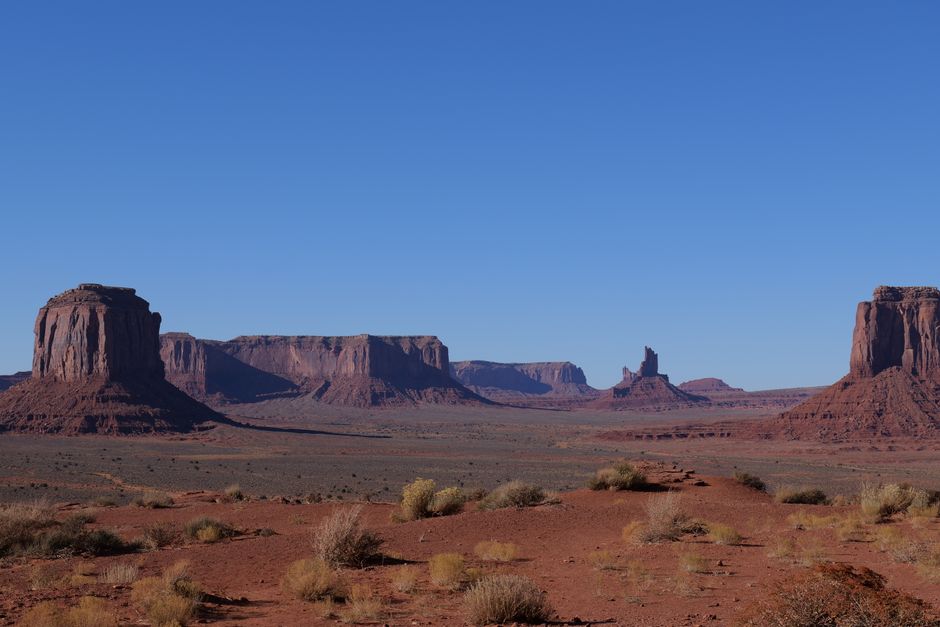
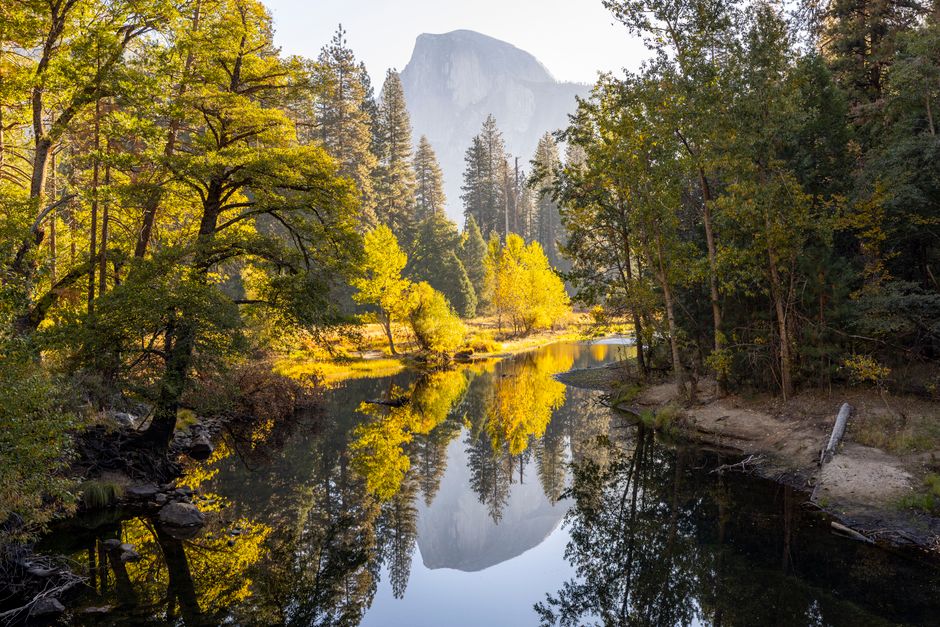
“Spring” means different things across the country. In Joshua Tree, April can bring comfortable hiking temperatures and cold nights. In Rocky Mountain National Park, May can still feel like winter above treeline. In Yosemite Valley, fall may offer clear roads while higher routes remain affected by snow, ice, or wildfire closures.
Start with the exact experience you want. If you want waterfalls, check snowmelt and recent rainfall. If you want alpine views, check road openings and trail conditions above 8,000 feet. If you want fall color, check the park’s elevation bands instead of relying on a statewide foliage map.
Use the official park conditions page seven days before arrival, again 48 hours before the drive, and once more on the morning of the hike. Those checks answer three separate questions: can you reach the park, can you reach the trailhead, and can you safely complete the trail?
What 2026 access rules prove
Park rules can change from one year to the next, even when the landscape looks unchanged. In 2026, Arches National Park does not require an advanced timed-entry reservation, but congestion can still trigger traffic control. Yosemite also does not require an entrance reservation in 2026, while lodging, camping, wilderness, and Half Dome permits still have separate rules.
Rocky Mountain National Park shows why a generic “midweek means easy” claim fails. From May 22 through October 12, 2026, timed entry is required for many arrivals between 9 a.m. and 2 p.m. The Bear Lake Road option has different access hours and coverage. A Wednesday visit helps, but it does not replace the correct permit.
Check the National Park Service pass and reservation information, then open the individual park page. Park-specific access rules beat general travel advice every time.
Verdict: Book the date only after confirming road status, reservations, shuttle operations, and daylight. A cheap room is worthless if the trail you planned cannot be reached.
Use this 48-hour planning sequence
Book backward from the trailhead
Do not start with a hotel and build the park around it. Start with the hardest part of the day: the trailhead, shuttle, permit, or sunrise viewpoint.
- Choose one primary objective. Name the hike, overlook, road, or ranger program that would make the trip successful.
- Check the official conditions page. Confirm road openings, trail closures, fire restrictions, shuttle schedules, and water warnings.
- Set an arrival time. For a famous trailhead, aim for 6:30 to 8 a.m. For a hot desert hike, earlier is safer. For a wildlife drive, follow the animal activity window rather than sleeping late.
- Build one nearby backup. Keep it within 30 minutes of the primary plan. A backup two hours away is a second trip, not a backup.
- Reserve what actually needs reserving. Check entry permits, campgrounds, shuttles, wilderness permits, and popular tours separately. One reservation rarely covers all five.
- Leave room for a slow exit. Midweek traffic can still build near the entrance at 3 p.m., when day visitors and returning hikers arrive together.
Pack for the low point and high point
Shoulder weather punishes narrow packing. Carry a warm layer, rain shell, sun protection, two liters of water per person for a demanding day, and traction if the park reports ice or late snow. Do not treat a forecast of 65 degrees at the visitor center as a trail forecast at 9,000 feet.
Save offline maps before leaving cellular service. Put the emergency contact number, vehicle location, and planned return time in one note. Tell someone outside the group when you expect to be back. These steps cost minutes and matter when a road closure or storm changes the route.
Verdict: The best midweek plan is a short chain of confirmed decisions, not a giant itinerary. Lock the first objective, protect the backup, and leave space for conditions to win.
The annual park pass is useful only when your itinerary earns it
When the pass pays
It can cover one private vehicle or the pass holder and up to three additional adults where per-person fees apply.
That makes it a clear choice for a road trip through several fee-charging parks. A visitor planning Zion, Bryce Canyon, Grand Canyon, and another paid federal site can reach the break-even point quickly.
Non-US residents should check the current rules before paying at the gate.
When it does not
Do not buy the pass because the name sounds broadly useful. Many NPS sites are free. The pass also does not replace campground charges, lodging, special recreation permits, commercial tour fees, or every reservation.
Use the official NPS fee comparison before purchasing. Add the entrance fees for your actual route, not an imaginary future trip.
Verdict: The Resident Annual Pass is the best access buy for a multi-park 2026 road trip. For one low-fee park, skip it. Put that money toward an extra night near the trailhead instead.
Avoid these mistakes and use the real advantage
Mistakes that waste the shoulder season
- Choosing a famous park without checking which roads and trails are open.
- Assuming an entrance reservation covers camping, shuttles, or wilderness permits.
- Arriving after breakfast at a trailhead with limited parking.
- Planning six major stops in one day because the map makes distances look short.
- Ignoring smoke, lightning, snow, heat, or high winds because the hotel was nonrefundable.
- Using a scenic viewpoint as the only backup when the main road closes.
The biggest failure is confusing fewer people with easier logistics. A quiet Tuesday cannot fix a closed road. A lower hotel rate cannot fix a missing permit. A flexible schedule can.
The verdict for 2026
For most travelers, the best formula is a Tuesday-to-Thursday visit in the park’s lower-risk shoulder window, with one primary trail, one nearby backup, and all access rules checked twice. Use spring for low-elevation hiking, early fall for comfortable temperatures and reduced crowds, and avoid choosing a date solely because an online calendar labels it “shoulder season.”
Leave one morning uncommitted. That is not wasted time. It is the margin that lets you switch trails, wait out a storm, watch wildlife, or take the road that was impossible on arrival day.
Final call: Plan around access and conditions, then use midweek timing to make the plan breathe. As national parks keep adjusting reservations and traffic controls, the travelers who win will be the ones who check the specific park instead of trusting a generic calendar.