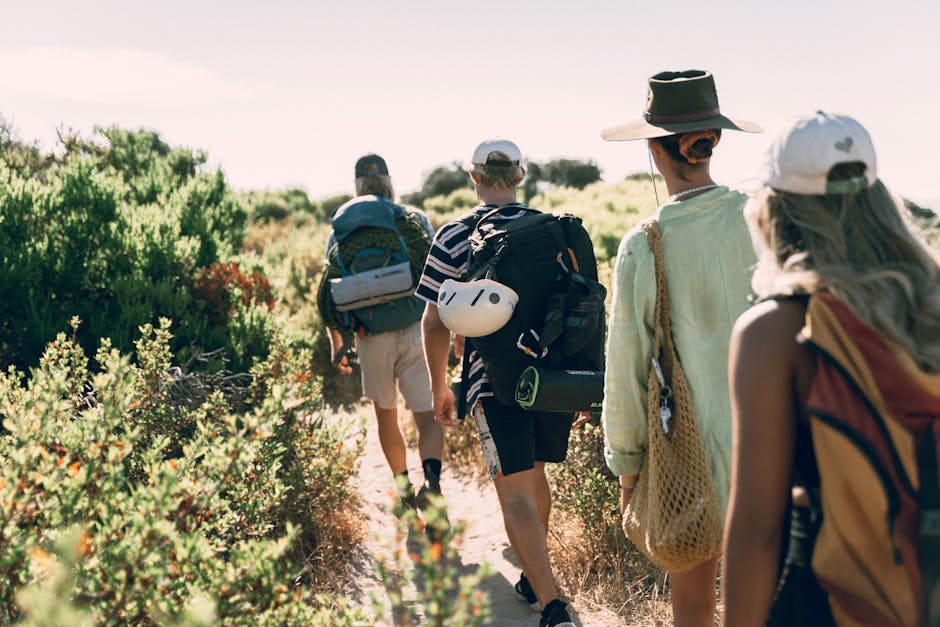
Are you truly prepared for the physical reality of an Australian summer, where the heat is less a weather condition and more a geographical force? Many travelers arrive in Sydney or Melbourne expecting a standard Mediterranean warmth, only to be confronted by a UV index that regularly hits ‘Extreme’ levels before midday. Packing for this environment requires a departure from standard vacation logic. It is not merely about looking the part; it is about managing thermal regulation and skin integrity across a continent that experiences everything from bone-dry desert heat to oppressive tropical humidity.
The Australian summer, officially spanning December through February, is a season of extremes. While the southern states might experience dry, searing heatwaves reaching 40°C (104°F), the northern regions are deep in the ‘Wet Season,’ characterized by daily monsoons and humidity levels that make traditional cotton clothing feel like a damp lead weight. This guide analyzes the specific requirements for surviving and thriving in these conditions, moving beyond generic suggestions to look at technical fabrics, specialized gear, and regional variations.
What clothes should you pack for an Australian summer?
The primary challenge of the Australian climate is heat dissipation. When the ambient temperature exceeds body temperature, your primary cooling mechanism is the evaporation of sweat. If your clothing traps that moisture or prevents airflow, your core temperature rises. This is why the ‘Deep Researcher’ approach favors natural fibers with specific weave structures over the cheap synthetics often found in fast-fashion summer collections.
The Superiority of Linen and Hemp
Linen is the gold standard for the Australian heat. Derived from the flax plant, linen fibers are hollow and highly absorbent, allowing them to wick moisture away from the skin and dry rapidly. More importantly, the weave of linen is typically looser than cotton, facilitating better airflow. Hemp offers similar benefits but with even greater durability. When selecting linen, look for a medium weight (around 150-180 gsm). Ultra-light linen can sometimes cling to the body when damp, whereas a slightly heavier weight maintains its structure and keeps the fabric away from your skin.
Technical Merino Wool
It seems counterintuitive to pack wool for a 35°C day, but ultra-fine Merino (150gsm or lower) is an exceptional thermoregulator. Unlike traditional wool, Merino fibers are incredibly thin and do not itch. They can absorb up to 30% of their weight in moisture without feeling wet. A major advantage for long-term travelers is Merino’s natural antimicrobial properties; you can wear a Merino shirt for several days in the heat without it developing the odors associated with polyester or even cotton. Icebreaker Tech Lite II T-Shirts (approx. $80) are a prime example. Pros: Odor resistance and moisture management. Cons: High price point and susceptibility to small holes if not washed carefully.
The Case Against Heavy Denim
Denim is a staple in many wardrobes, but in an Australian summer, heavy-weight jeans are a liability. They lack breathability and take days to dry in humid environments. If you must bring denim, opt for ‘summer weight’ denim (under 10oz) or, better yet, replace them with Tencel or Lyocell trousers. These eucalyptus-derived fabrics have a silky texture, are more breathable than cotton, and drape beautifully, making them suitable for both hiking and evening dining.
Which sun protection products actually work in the Australian UV index?
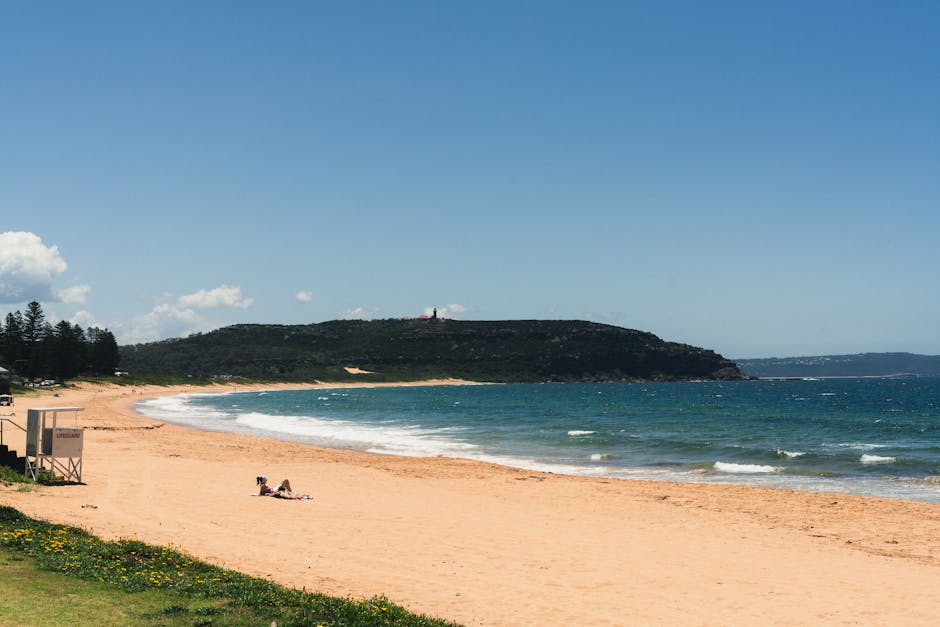
The Australian sun is objectively more dangerous than the sun in Europe or North America at similar latitudes. This is due to the elliptical orbit of the Earth (bringing the Southern Hemisphere closer to the sun during its summer) and the relative clarity of the air, which allows more UV radiation to reach the surface. The ‘Slip, Slop, Slap, Seek, Slide’ campaign is not just a slogan; it is a survival manual. Your packing list must reflect this.
Sunscreen: Chemical vs. Physical Barriers
In Australia, sunscreens are regulated as therapeutic goods by the TGA (Therapeutic Goods Administration). Many sunscreens sold in the US or Asia do not meet Australian standards for broad-spectrum protection. It is often better to buy your sunscreen upon arrival. However, if you are packing your own, ensure it is SPF 50+ and labeled ‘Broad Spectrum.’ La Roche-Posay Anthelios Invisible Fluid SPF 50+ (approx. $35) is highly regarded for its non-greasy finish. Pros: Excellent for sensitive skin and sits well under makeup. Cons: Expensive for the volume provided.
| Product Type | Brand Example | Estimated Price | Best For |
|---|---|---|---|
| Daily Face Sunscreen | Ultra Violette Queen Screen | $47 | High protection with a glowy finish for city use. |
| Sport/Active Sunscreen | Cancer Council Sport | $15 | High sweat resistance and large volume for body use. |
| Zinc Stick | Sun Zapper | $12 | Extreme protection for surfing or long reef exposure. |
UPF-Rated Clothing
Relying solely on cream is a mistake, especially if you plan on spending time on the water. UPF (Ultraviolet Protection Factor) clothing provides a physical block that doesn’t wash off. A UPF 50+ rating means only 1/50th of the sun’s UV radiation reaches the skin. Solbari is a specialist Australian brand that produces stylish UPF 50+ clothing. Their long-sleeve shirts are surprisingly cool because they use technical weaves that allow air to pass through while blocking the rays.
The Necessity of a Wide-Brimmed Hat
A baseball cap is insufficient in Australia; it leaves your ears and the back of your neck exposed to the sun—two of the most common sites for skin cancers. A hat with a brim of at least 7.5cm (3 inches) is recommended. The Akubra Cattleman (approx. $220) is the iconic Australian choice. Pros: Virtually indestructible and provides massive shade. Cons: Can be heavy and hot if you aren’t used to felt. For a packable alternative, the Wallaroo Explorer (approx. $55) is a microfiber option that can be crushed into a suitcase and still retain its shape.
What footwear is best for Australian terrain and city walking?
Footwear in Australia is a study in contrasts. You will see people walking barefoot in supermarkets (a common sight in coastal towns) and others in heavy-duty hiking boots. For the average traveler, a three-shoe system is the most efficient way to manage the diverse terrain without overpacking.
The ‘Thongs’ Culture
In Australia, flip-flops are called thongs. They are the national footwear. However, cheap rubber thongs offer zero arch support and can cause significant foot pain after a day of walking. Archies Footwear (approx. $40) has revolutionized this space by creating thongs with built-in orthotic support. Pros: Looks like a standard thong but feels like a running shoe. Cons: The toe post can take a few days to wear in.
Breathable Walking Shoes
For city exploration in Sydney or Melbourne, you need a shoe that manages heat. Leather sneakers, while stylish, can become ovens for your feet. Consider a knit-upper sneaker like the Allbirds Tree Runners (approx. $105). Pros: Made from eucalyptus fiber, highly breathable, and machine washable. Cons: Not waterproof and lacks the lateral support needed for rugged hiking.
Lightweight Trail Shoes
If your itinerary includes the Blue Mountains, the Grampians, or the Larapinta Trail, do not bring heavy, waterproof leather boots. In the Australian summer, your feet will sweat excessively in waterproof (Gore-Tex) shoes, leading to blisters. Instead, choose a non-waterproof trail runner with deep lugs for grip. The Salomon X Ultra 4 (Non-Gore-Tex version) (approx. $160) is a favorite. Pros: Exceptional grip and quick-drying. Cons: Dust gets into the mesh easily.
The humidity in the Northern Territory and Queensland can cause leather footwear to mold if kept in dark, unventilated spaces. If you are traveling north, stick to synthetic or canvas materials that can be easily cleaned and dried.
What essential electronics and accessories are needed for an Australian road trip?
Australia is vast. If you are planning a road trip—which is the most common way to see the country—your packing list needs to include items that address the isolation and the unique environmental hazards of the Outback and coastal highways.
Connectivity and Navigation
Offline maps are a requirement, not a suggestion. Once you move 50km inland from the coast, cellular service becomes spotty. While Google Maps is useful, the WikiCamps Australia app is the definitive resource for road trippers, providing crowdsourced data on campsites, water taps, and toilets. Regarding hardware, a high-capacity power bank is vital. The Anker 737 Power Bank (approx. $140) can charge a laptop or multiple phones several times. Pros: Fast charging and informative display. Cons: It is heavy and takes up significant space in a daypack.
The Infamous Australian Fly
In the Red Centre (Alice Springs, Uluru), the flies are not just a nuisance; they are a psychological test. They are attracted to the moisture in your eyes and mouth. A fly net that fits over your hat is a $10 investment that will save your sanity. You might feel ridiculous wearing it, but within ten minutes of being at Uluru, you will realize that everyone else is either wearing one or wishing they were. Ensure you buy one with a fine black mesh, as black is easier to see through than green or white.
Hydration Strategy
Plastic water bottles left in a car will reach temperatures that make the water undrinkable within an hour. An insulated stainless steel bottle is mandatory. The YETI Rambler 36 oz (approx. $50) is the industry standard for durability. Pros: Keeps water ice-cold for 24+ hours even in a hot car. Cons: Heavy even when empty. Pair this with a pack of electrolyte tablets (like Hydralyte). In the extreme heat, drinking water alone is sometimes insufficient to replace the salts lost through sweat.
How do you pack for different Australian regions during the summer months?
The biggest mistake travelers make is assuming Australia is a monolith. A packing list for a summer in Hobart, Tasmania, looks radically different from a list for Cairns, Queensland. Understanding the regional microclimates is the final step in a researched packing strategy.
The Tropical North (Cairns, Darwin, Broome)
Summer is the ‘Wet Season’ here. It is hot (32°C+) and incredibly humid. You will sweat through your clothes within minutes of walking outside. Packing should focus on ‘quick-dry’ and ‘loose-fit.’ This is also ‘Stinger Season’ in the ocean. If you plan to swim, you must pack or rent a stinger suit (a thin Lycra bodysuit) to protect against Irukandji and Box Jellyfish. Umbrellas are often more useful than raincoats here, as a raincoat acts like a sauna suit in 90% humidity.
The Southern Cities (Sydney, Melbourne, Adelaide, Perth)
These cities are prone to ‘Cool Changes.’ A day can start at 38°C and drop to 18°C in the space of twenty minutes when a southerly wind hits. You must pack a light ’emergency’ layer. A high-quality denim jacket or a light cashmere sweater is perfect for these transitions. Melbourne, in particular, is famous for its ‘four seasons in one day’ weather patterns, requiring a layering approach even in the height of summer.
The Red Centre and Outback
The heat here is dry. You won’t feel yourself sweating because the moisture evaporates instantly. This is dangerous as it leads to rapid dehydration. Long-sleeved, loose linen shirts are better than tank tops here because they protect your skin from the direct radiant heat of the sun. At night, the desert temperature can actually drop quite significantly, so a lightweight fleece or down vest is surprisingly useful if you are camping.
Tasmania
Tasmania is the exception to the rule. Even in summer, the ‘Apple Isle’ can be chilly. If you are hiking in the Cradle Mountain region, you need a proper waterproof shell and a warm mid-layer. While the rest of the country is sweltering, Tasmania can experience snow on its peaks in January. It is the only part of Australia where you should pack as if you are going to Northern Europe in the spring.
Ultimately, the goal of your Australian summer packing list is to create a barrier between yourself and an unforgiving environment while allowing your body’s natural cooling systems to function. Prioritize fabric quality over quantity, invest in high-level UV protection, and always carry more water than you think you need. The landscape is spectacular, but it demands respect and preparation.