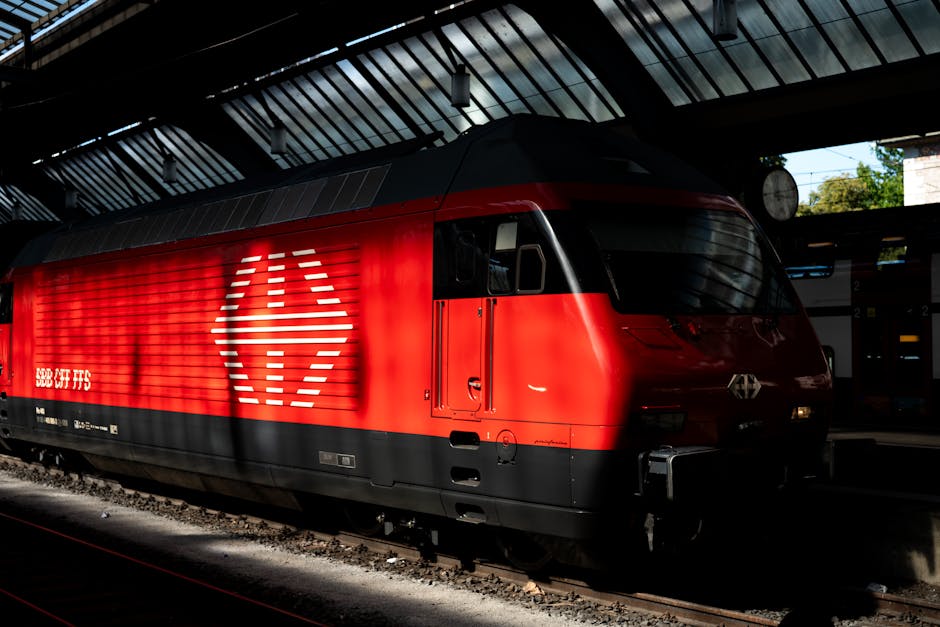
Did you know that the European rail network spans over 200,000 kilometers of track? That is enough steel to circle the Earth five times over. It is a staggering statistic that underscores just how deeply embedded rail culture is within the continent’s geography. For most travelers, the sheer scale of the system is both its greatest draw and its most significant hurdle. You want to see the Alps, the Mediterranean, and the Baltic all in one go, but the logistics of connecting a dozen different national rail operators can feel like solving a Rubik’s Cube while blindfolded. I have spent years untangling these schedules, and what I have found is that the best experiences often happen when you stop treating the train as a mere utility and start seeing it as the destination itself.
The landscape of European rail is shifting rapidly. We are seeing a massive resurgence in night trains, a push for high-speed competition that is driving down prices on major corridors, and a digital revolution in how we book these journeys. It is no longer just about the Eurail pass; it is about knowing when to use a pass and when to hunt for a 19-euro regional ticket. This guide is designed to help you navigate those nuances, drawing on data and field experience to highlight the routes and strategies that actually make sense for a modern itinerary.
Comparing Eurail Passes and Point-to-Point Tickets
One of the most frequent questions I encounter is whether the Eurail Global Pass is actually a good deal. The answer, frustratingly, is that it depends entirely on your pace. The Eurail Global Pass (starting at approximately $300 for 4 days of travel within a month) offers a level of freedom that is hard to quantify. You can wake up in Berlin and decide, on a whim, that you would rather be in Prague. However, that freedom comes with a hidden architecture of costs—specifically, seat reservations.
The Hidden Cost of Reservations
In countries like France, Italy, and Spain, your Eurail pass is not a golden ticket that lets you hop on any train. For high-speed lines like the TGV or Frecciarossa, you must purchase a seat reservation, which can range from €10 to €30 per leg. If you are planning a trip through these regions, the pass price is just the baseline. Conversely, in Germany, Austria, and Switzerland, reservations are mostly optional. You can simply walk onto an ICE train, find an unreserved seat, and show your digital pass. This makes the pass significantly more valuable in Central Europe than in the West.
When Point-to-Point Wins
If your itinerary is fixed and you are booking more than 60 days in advance, point-to-point tickets almost always beat the pass on price. National operators like Deutsche Bahn (DB) or SNCF release “Sparpreis” or “Ouigo” tickets that are incredibly cheap. For example, a high-speed journey from Paris to Bordeaux can be found for as little as €25 if you catch the early bird release, whereas the reservation fee alone for a pass holder might be €18. You are essentially paying for the pass twice in that scenario.
| Feature | Eurail Global Pass | Point-to-Point Tickets |
|---|---|---|
| Flexibility | High: Change plans daily | Low: Tied to specific times |
| Average Cost | $300 – $900 | €20 – €150 per leg |
| Best For | Multi-country, spontaneous trips | Fixed, single-country itineraries |
| Booking Window | Up to 11 months before | Usually 90-120 days before |
Best High-Speed Rail Corridors for Time-Sensitive Travelers
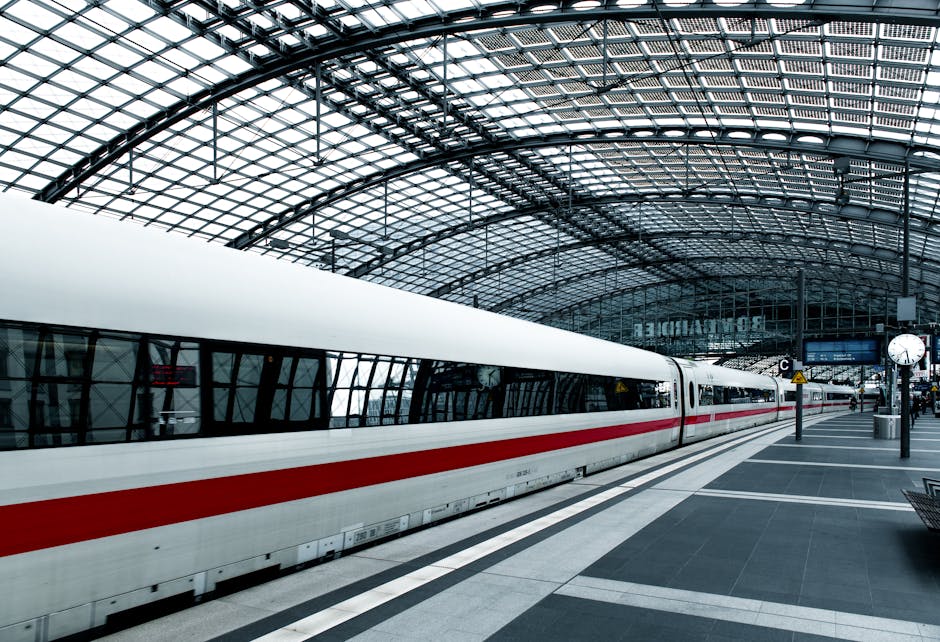
If you are trying to maximize your time, the high-speed corridors of Europe are your best friend. The goal here is to beat the total travel time of a flight, which includes the commute to the airport, security lines, and baggage claim. On routes under 500 kilometers, the train is almost always faster and more comfortable. The Eurostar e320, for instance, connects London St Pancras to Paris Gare du Nord in just 2 hours and 16 minutes. When you consider that both stations are in the heart of their respective cities, the efficiency is unbeatable.
The French TGV Network
The TGV (Train à Grande Vitesse) is the gold standard for speed in Europe. The TGV Duplex models, which are double-decker trains, offer a fantastic view of the French countryside from the upper deck. A standout route is Paris to Marseille. You can cross almost the entire country in about 3 hours, reaching speeds of 320 km/h. Pro: Extreme speed and city-center arrivals. Con: Strict luggage limits on the low-cost “Ouigo” TGV variants and mandatory reservations that sell out quickly during peak summer months.
Italy’s Frecciarossa 1000
Italy has one of the most competitive high-speed markets in the world, thanks to the rivalry between the state-run Trenitalia (Frecciarossa) and the private Italo. This competition has kept prices low and service levels high. The Frecciarossa 1000 is a marvel of engineering, known for its smooth ride even at high speeds. The Milan-Florence-Rome corridor is the jewel of the system. You can get from Milan to Rome in under 3 hours. Pro: High frequency (trains every 15-30 minutes). Con: The stations in Rome and Milan are massive and can be overwhelming for first-time visitors.
The Resurgence of European Night Trains
For a few decades, it looked like night trains were headed for extinction, victims of low-cost airlines. But there has been a dramatic reversal. Driven by climate consciousness and a desire for more “slow travel,” operators like ÖBB (Austrian Railways) have doubled down on their Nightjet service. Taking a night train is a pragmatic choice; it combines the cost of transport and a night’s accommodation into one ticket.
ÖBB Nightjet Experience
The ÖBB Nightjet is currently the leader in this space, connecting cities like Vienna, Berlin, Zurich, Paris, and Amsterdam. They have recently introduced “New Generation” trains that feature innovative “mini-cabins”—individual sleeping pods for solo travelers that provide privacy at a lower price point than a full sleeper cabin. A seat in a shared compartment might cost as little as €30, while a private sleeper with a shower can exceed €200. Pro: Wake up in a new country refreshed. Con: Shared couchette compartments can be cramped if you are traveling with large suitcases.
The European Sleeper
A new player, the European Sleeper (often called “The Good Night Train”), has launched a route connecting Brussels and Amsterdam to Berlin and Prague. It is a more grassroots effort compared to the state-backed Nightjet, but it fills a critical gap in the Northern European network. While the rolling stock is older, the atmosphere is nostalgic and the staff is exceptionally helpful. It is a reminder that rail travel can be social—something you rarely get on a 45-minute flight from Schiphol to Brandenburg.
Most Scenic Train Routes in Europe Worth the Detour
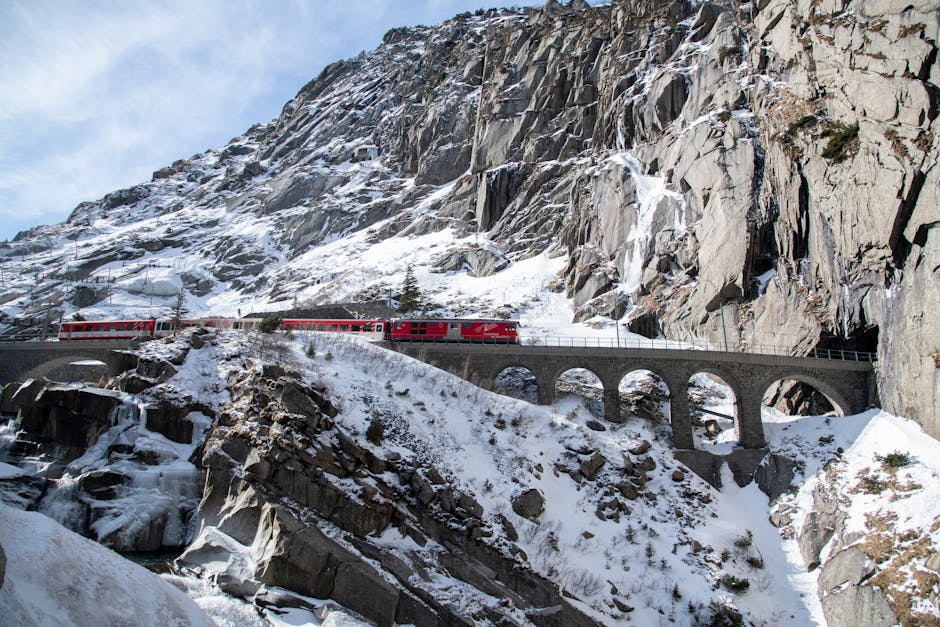
Sometimes the fastest route is the least interesting one. If you have the time, Europe offers several “legendary” routes where the train window acts as a moving cinema screen. These are not just commutes; they are bucket-list experiences. The Swiss Alps are the obvious heavy hitters here, but there are gems in Norway and the Rhine Valley as well.
The Bernina Express (Switzerland to Italy)
The Bernina Express is arguably the most beautiful train ride in the world. It runs from Chur, Switzerland, to Tirano, Italy, crossing the Landwasser Viaduct and climbing to the Ospizio Bernina at 2,253 meters above sea level. The train features panoramic windows that curve into the roof. Price: Approximately CHF 70, plus a mandatory reservation fee of CHF 20-30. Pro: UNESCO World Heritage scenery. Con: The panoramic cars can get very hot in the summer due to the greenhouse effect of the large windows.
The Rhine Valley Line (Germany)
While the high-speed line from Cologne to Frankfurt takes about an hour, the scenic route along the Rhine River takes nearly three. It is worth every extra minute. The tracks hug the riverbank, passing dozens of medieval castles, the famous Lorelei Rock, and endless steep vineyards. You can use a standard regional ticket or your Eurail pass here with no reservations required. It is one of the best value-for-money scenic experiences in Europe.
Note: If you are on the Rhine Valley line, sit on the left side of the train when heading south (towards Mainz) for the best river views.
Essential Apps and Digital Tools for Rail Navigation
The days of carrying a paper Bradshaw’s guide are over. To navigate the European rail system effectively, you need a specific stack of digital tools. The fragmentation of the European market means that no single app is perfect, but a few come close to being essential for the modern researcher.
DB Navigator (Deutsche Bahn)
Even if you aren’t traveling in Germany, the DB Navigator app is widely considered the best tool for checking schedules across almost all of Europe. Its database is incredibly deep, covering regional trains in Poland, high-speed lines in Spain, and even ferries in Scandinavia. Pro: Real-time delay information and platform numbers. Con: You can generally only buy tickets for journeys that start or end in Germany.
Trainline and Omio
For actual booking, third-party aggregators like Trainline and Omio are invaluable. They allow you to compare prices across different operators (e.g., Trenitalia vs. Italo) in a single interface. Trainline (Price: Free app, small booking fees): Known for its excellent UI and ability to store digital tickets from multiple countries in one wallet. Pro: Simplifies complex multi-leg bookings. Con: The booking fees can add up if you are buying many individual tickets.
- Download the Rail Planner app (for Eurail pass holders) to track your journey and show your QR code.
- Use Seat61.com for the most in-depth, manual research on specific train types and station layouts.
- Install the national app for the country you are spending the most time in (e.g., SBB Mobile for Switzerland) for the most accurate local data.
Navigating Major European Train Hubs and Logistics
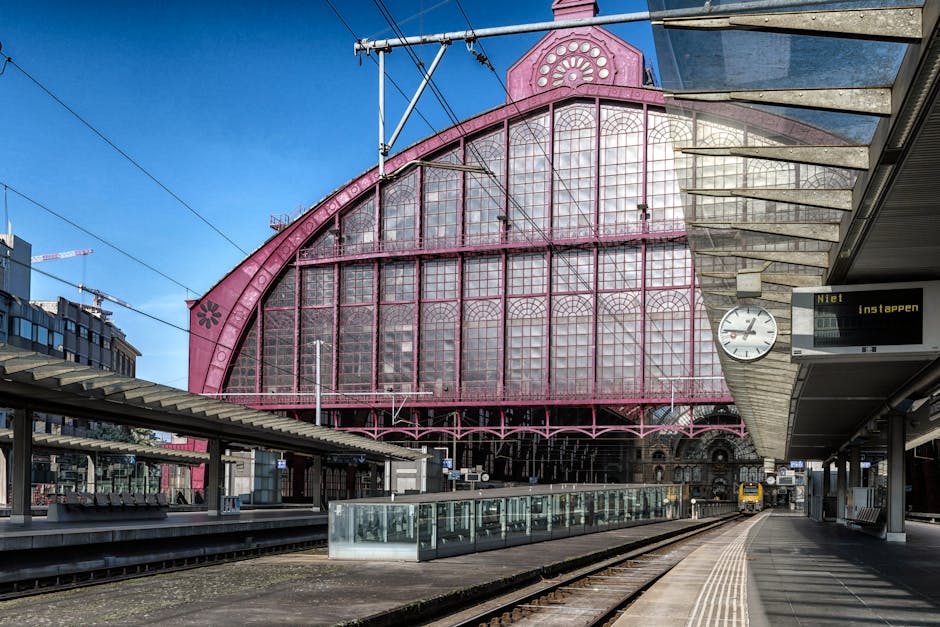
European train stations are cities within cities. Stations like Berlin Hauptbahnhof or Madrid Atocha are multi-level complexes with shopping malls, grocery stores, and dozens of platforms. Understanding the logistics of these hubs is the difference between a smooth connection and a frantic sprint through a terminal.
Understanding Station Layouts
In many older cities, there isn’t just one central station. Paris is the classic example, with six major termini that are not connected by rail. If you are arriving at Gare du Nord from London and need to catch a TGV to Lyon from Gare de Lyon, you have to navigate the RER (commuter rail) or take a taxi. Always allow at least 60 to 90 minutes for cross-city transfers in Paris or London. In contrast, German “Hauptbahnhofs” are usually designed as single hubs, making transfers much simpler, though the sheer size of a station like Munich Hbf can still be daunting.
Luggage and Security
Unlike airports, most European train stations do not have centralized security checks. You can usually walk from the street to your platform in under five minutes. The exceptions are the Eurostar (which has full passport control and X-ray) and Spanish high-speed lines (which have a quick X-ray of bags before you enter the platform area). For luggage, you are responsible for your own bags. There are racks at the end of each carriage and overhead bins. If you are traveling with a massive suitcase, be prepared to lift it yourself—porters are a thing of the past.
Budget Strategies for European Train Travel
Rail travel in Europe can be expensive, but it doesn’t have to be. If you apply the same rigor to booking trains as you do to booking flights, you can save hundreds of euros. The key is understanding the “yield management” pricing models that most national carriers now use. They want to fill seats early, so they reward the planners.
The 90-Day Rule
Most European rail operators release their cheapest tickets 90 to 120 days in advance. In Germany, these are called “Super Sparpreis” tickets. I have seen tickets from Berlin to Warsaw for €19 when booked three months out, which jump to €80 on the day of travel. If you know your dates, set a calendar reminder for the booking window opening. It is the single most effective way to lower your trip cost.
Regional and Slower Alternatives
If you miss the early booking window, look for regional train alternatives. While high-speed trains (like the ICE or TGV) have dynamic pricing, regional trains (RE, RB, TER) often have fixed prices. They take longer and involve more stops, but they are often more scenic and significantly cheaper for last-minute travel. In Germany, the “Deutschland-Ticket” offers unlimited travel on all regional and local transport for €49 a month—an incredible deal if you aren’t in a rush to get across the country.
- Travel on Tuesdays or Wednesdays: Mid-week tickets are consistently cheaper than Friday or Sunday evening departures.
- Check “Split Ticketing”: Sometimes booking a ticket from A to B and B to C is cheaper than A to C, especially when crossing international borders.
- Avoid First Class unless it’s a long haul: In most European trains, Second Class is perfectly comfortable with ample legroom and power outlets. First Class usually just adds a slightly wider seat and occasionally a meal.
Ultimately, the highlight of European train travel isn’t a specific monument or a famous city. It is the transition—the way the architecture changes from the red bricks of the Netherlands to the half-timbered houses of Germany as you roll across an invisible border. It is a level of connectivity that reminds us how close these cultures actually are. Whether you choose the high-speed efficiency of a TGV or the slow, rhythmic climb of a Swiss mountain cogwheel, the rails offer a perspective on the continent that no 30,000-foot view can ever match.