Planning a trip to Thailand for 2026? Good. It’s an incredible country. But picking the right destinations is crucial. Get it wrong, and you’ll waste time and money. Here’s what you need to know, fast.
Bangkok is Your First Stop. Don’t Argue.
Seriously, Bangkok is non-negotiable for first-timers. Period. Some people try to skip it, thinking it’s just a big city. That’s a mistake. It’s the beating heart of Thailand. You need to experience its chaos, its food, its energy.
It’s a sensory overload in the best way. The city serves as your essential gateway, not just geographically, but culturally. You don’t understand Thailand without experiencing Bangkok first. You just don’t. It sets the tone for everything else.
Why Bangkok Isn’t Optional for Your 2026 Trip
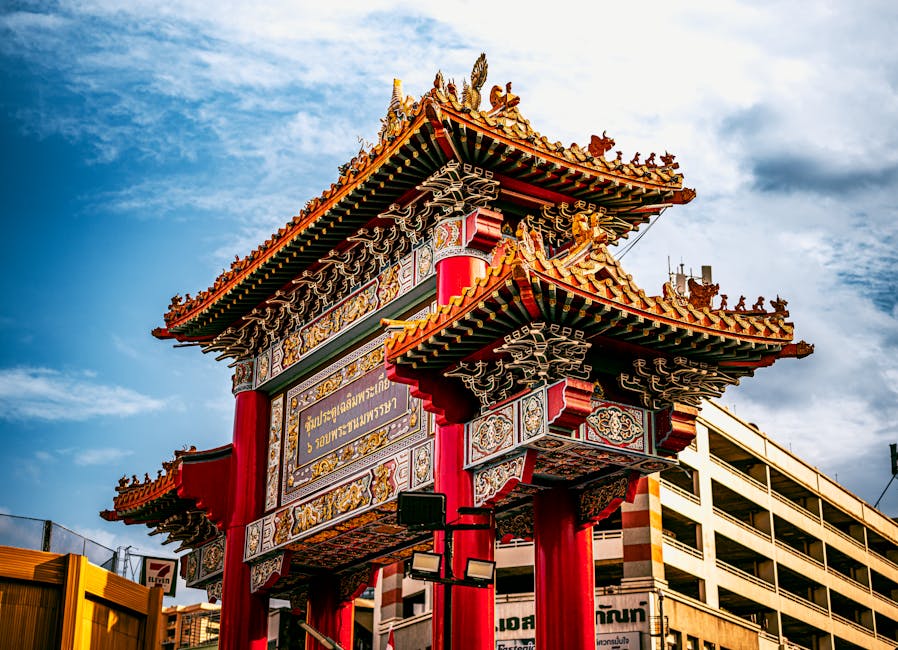
Bangkok offers a concentrated dose of Thai life. You’ll find ancient temples like Wat Arun and the Grand Palace right next to massive modern malls. The street food scene is legendary and cheap. Forget bland hotel food; eat from the carts. Explore Chinatown. Ride a longtail boat on the Chao Phraya River. These aren’t just tourist activities; they’re integral parts of the city’s pulse.
Ignoring Bangkok means missing the capital’s unique blend of tradition and modernity. It means bypassing world-class museums, vibrant markets, and some of the best culinary experiences on the planet. Don’t be that traveler who flies directly to an island and misses the heart of the country. Bangkok is the necessary cultural primer.
Navigating the Chaos: Getting Around Bangkok
Don’t be intimidated by the size. Bangkok’s public transport is efficient. The BTS Skytrain and MRT subway connect most major areas. A single BTS journey costs around 16-59 THB (0.50-2 USD), depending on distance. Taxis are everywhere, but use the meter. Grab (the local Uber equivalent) is also reliable. For short distances, a tuk-tuk is fun, but negotiate the price before getting in. Expect to pay 100-200 THB (3-6 USD) for a short ride. Avoid rush hour if you can, traffic is brutal. Plan your routes. A journey from Sukhumvit to the Grand Palace can take an hour by car, but 30 minutes by BTS and then boat.
The Island Conundrum: Choosing Your Beach Vibe
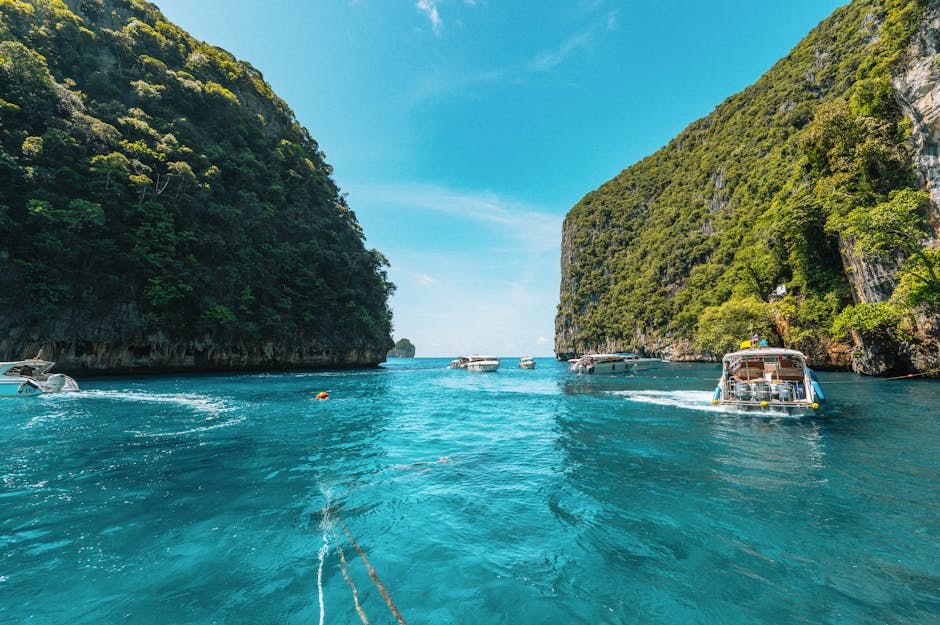
Thailand’s islands are famous for a reason: stunning beaches, clear water. But they’re not all the same. Picking the wrong island ruins the beach part of your trip. Understand what you want before you book.
-
Koh Lanta: For the Chilled-Out Crowd
If you want peace, long beaches, and a relaxed atmosphere, Koh Lanta is your island. It’s family-friendly but also great for couples and solo travelers seeking quiet. Expect yoga studios, beach bars, and fewer massive parties. Scooters are the main way to get around (rent for about 250 THB/day, 7 USD). Long Beach and Klong Dao Beach are favorites. It’s perfect for unwinding. Don’t go here expecting wild nightlife; you’ll be disappointed.
-
Koh Phi Phi: The Party & Postcard Experience
This is where the famous Maya Bay is (though access is limited now). Koh Phi Phi is stunning, but it’s also a major party hub. If you’re looking for cheap buckets of alcohol, fire shows, and a young, backpacker crowd, this is it. It gets crowded. Prices for accommodation can be higher due to demand. Longtail boat tours to nearby islands like Bamboo Island or Mosquito Island are essential (approx. 1500-2500 THB for a private half-day tour, 45-75 USD). Understand it’s a high-energy, tourist-heavy spot. Don’t expect solitude.
-
Phuket: Resorts, Families, and Accessibility
Phuket is Thailand’s largest island, a major international airport destination. It offers everything: luxury resorts, family attractions, bustling markets, and some quiet spots. Patong Beach is the main party area, loud and busy. But head south to Kata or Karon for calmer vibes, or north for more upscale, secluded resorts. It’s the easiest island to get to, with direct flights. Expect higher prices for many things. It’s versatile, but you need to pick your specific area within Phuket carefully. Don’t treat Phuket as one monolithic destination; it has distinct personalities.
-
Krabi & Railay Beach: Adventure and Scenery
Krabi isn’t an island, but its coastline and nearby islands (like Koh Poda, Chicken Island) are spectacular. Railay Beach, only accessible by boat, is world-renowned for rock climbing and dramatic limestone cliffs. It’s less about partying and more about natural beauty and adventure. Longtail boats from Ao Nang to Railay cost about 100-150 THB (3-5 USD) one-way. This area suits those who love hiking, kayaking, and stunning photography. The vibe is more active and scenic than purely relaxing.
Northern Thailand Beyond Chiang Mai: True Culture
Chiang Mai is fantastic. It has temples, cooking classes, elephant sanctuaries, and a chill vibe. It’s an essential part of any northern Thailand trip. But stopping there is a serious oversight. The real magic, the deeper cultural immersion, often lies just beyond the city limits. Don’t think Chiang Mai is the only northern story.
Venture out. The north offers a completely different experience from the beaches. It’s about mountains, hill tribes, rice paddies, and a slower pace of life. The food is also distinct, richer, spicier. You’ll find Lanna culture, ancient kingdoms, and breathtaking natural landscapes. You simply can’t compare it to the south. It’s its own entity.
Chiang Rai’s Art Scene and White Temple
Just a few hours north of Chiang Mai, Chiang Rai is worth a dedicated visit. Its most famous attraction is Wat Rong Khun, the White Temple. It’s a contemporary, privately owned art exhibit in the style of a Buddhist temple. It’s visually striking and unlike any other temple you’ll see. Entry is 100 THB (3 USD). Also visit the Blue Temple (Wat Rong Suea Ten) and the Black House (Baan Dam Museum). Chiang Rai feels less touristy than Chiang Mai, offering a more authentic look at northern Thai life. The night bazaar here is also less overwhelming and excellent for local handicrafts and food.
The Mae Hong Son Loop: Rent a Bike, See the Real North
This is for the adventurous. The Mae Hong Son Loop is a legendary motorcycle route through mountains, valleys, and remote villages. It can take 3-5 days. You’ll pass through Pai, Mae Hong Son town, and other smaller settlements. Expect stunning scenery, hairpin turns, and a feeling of genuine discovery. You’ll see rice terraces, waterfalls, and meet local ethnic groups. Renting a scooter costs about 200-300 THB (6-9 USD) per day. Make sure you have travel insurance and are confident riding a motorcycle. It’s not for beginners. This loop is where you truly experience the rugged beauty and isolated charm of northern Thailand. Don’t miss it if you have the time and nerve.
Party Hard or Relax? Pick One.

You can’t effectively do both in a short trip. Don’t try. If you want wild parties and all-night raves, go to Koh Phangan for the Full Moon Party. If you want quiet beaches and early nights, go to Koh Lanta or Koh Kood. Trying to force both into a single itinerary, especially with limited time, only leads to exhaustion and disappointment. Commit to one vibe.
Avoiding Tourist Traps: Your Questions Answered
Is Patong Beach Worth It?
For most travelers seeking a genuine Thai beach experience, no. Patong Beach in Phuket is overly commercialized, loud, and geared heavily towards mass tourism. It’s a hub for nightlife (think Bangla Road) and endless souvenir shops. If you want convenience and a high-energy atmosphere, maybe. But if you’re looking for pristine beaches, cultural immersion, or peaceful relaxation, skip it. Head to Kata, Karon, or even better, the smaller islands off Krabi.
Are Elephant Sanctuaries Always Ethical?
Absolutely not. Many still exploit elephants under the guise of “sanctuary.” Do your research. A truly ethical sanctuary will not allow riding, will have strict distance policies, and focus on rehabilitation. They often partner with conservation groups. Look for places like the Elephant Nature Park near Chiang Mai. They rescue elephants from abusive situations. Avoid places that offer rides or forced interactions. Read recent reviews and check their policies thoroughly before booking. Your money supports their practices.
Should I Book Tours Online or Locally?
It depends. For popular, well-established tours (like island hopping in Krabi or a cooking class in Chiang Mai), booking locally often gets you a better price. Many small local operators offer competitive rates and more flexibility. You can usually negotiate a bit. However, for specialized experiences or high-demand activities with limited spots, booking online in advance (e.g., through Klook or reputable travel agencies) guarantees your spot and provides peace of mind. For things like the Mae Hong Son Loop, local rentals are best. Mix and match. Don’t assume one method is always superior.
Thailand Destination Showdown: North vs. South vs. City (2026)
Here’s a quick comparison to help you narrow down your 2026 choices. Different regions offer fundamentally different experiences.
| Destination Type | Vibe | Best For | Key Activities | Avg. Daily Cost (USD) | Best Months |
|---|---|---|---|---|---|
| Bangkok (City) | Chaotic, vibrant, modern & traditional | Culture, foodies, nightlife, shopping | Grand Palace, Wat Arun, Street Food Tours, BTS rides, Chatuchak Market | 60-100 | Nov-Feb |
| Chiang Mai (North) | Relaxed, spiritual, cultural, artistic | Temples, cooking classes, ethical elephant encounters, hiking | Wat Phra That Doi Suthep, Old City exploration, Night Bazaar, Sticky Waterfalls | 40-70 | Oct-Feb |
| Phuket (South, Large Island) | Diverse, resort-centric, accessible | Families, luxury seekers, water sports, easy flights | Patong/Karon Beaches, Big Buddha, island hopping (Phi Phi, James Bond Island) | 80-150+ | Nov-Apr |
| Koh Lanta (South, Smaller Island) | Chilled-out, natural, laid-back | Relaxation, couples, families, quiet beaches, diving | Long Beach, Klong Dao Beach, kayaking, snorkeling, motorbike exploration | 50-80 | Dec-Mar |
| Krabi/Railay (South, Mainland Coast) | Adventurous, scenic, natural beauty | Rock climbing, island hopping, nature lovers, photographers | Railay Beach, Phra Nang Cave, Ao Nang, kayaking, Four Island Tour | 60-90 | Nov-Apr |
This table gives you a rough idea. Your budget and travel style are the ultimate deciders. But generally, the north is cheaper than the south.
Don’t Overpack Your Itinerary. You’ll Regret It.
This is a rookie mistake. People see all the amazing places in Thailand and try to cram them into a two-week trip. You can’t. You will spend half your vacation on planes, trains, and ferries. You’ll be exhausted. You’ll enjoy nothing. Pick 2-3 regions, maximum, for a typical 10-14 day trip. More than that is just travel for the sake of travel, not enjoyment.
The “Travel Slow” Philosophy for Thailand
Thailand isn’t meant for whirlwind tours. It’s a country to be savored. Spend at least 3-4 full days in each major destination. This allows you to explore beyond the main attractions, find local spots, and truly absorb the atmosphere. Rushing from one place to the next means you see things, but you don’t experience them. You’re constantly checking clocks, not enjoying the moment. Slow down. That’s the key to a better trip. It’s not about how many places you tick off a list.
Why Flexibility Wins in Southeast Asia
Things happen. Flights get delayed. Ferries are canceled due to weather. You might find a spot you absolutely love and want an extra day. If your itinerary is packed solid, you have no room for these eventualities or spontaneous decisions. Build in buffer days. Keep some parts of your schedule open. This flexibility is invaluable. It reduces stress and allows for unexpected adventures. A rigid plan is a bad plan in this part of the world. Expect the unexpected, and you’ll have a much better time.
The best Thailand trip in 2026 isn’t about fitting everything in. It’s about choosing wisely and letting the experience unfold. Get it right.