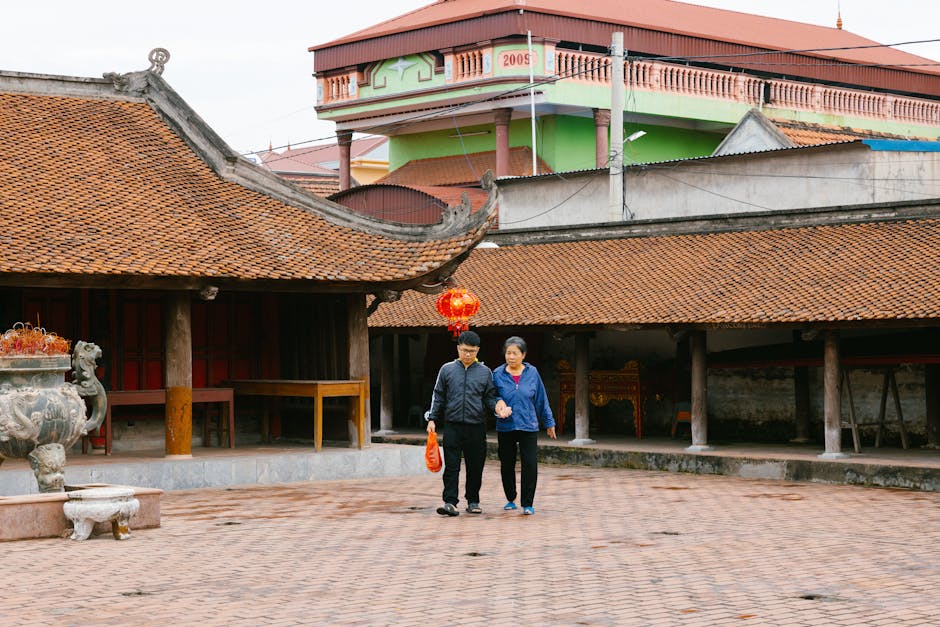
Everyone goes to Hoi An, buys a paper lantern for 20,000 VND, and takes the exact same photo of a girl in a conical hat looking wistfully at the river. It’s boring. It’s also kind of a lie. Vietnam is one of the most visually over-saturated places on the planet right now, and if you aren’t careful, you’ll spend three weeks and $3,000 just to come home with a hard drive full of National Geographic rejects that feel like they were taken by a robot.
The Hoi An trap and why I’m over it
I used to think Hoi An was the peak of travel photography vietnam. I was completely wrong. The first time I went, back in 2016, I spent four hours waiting for the “perfect” light on the Japanese Bridge. I got the shot. You know what? It looks exactly like the postcard I bought ten minutes later. What I mean is—actually, let me put it differently. We’ve become so obsessed with the aesthetic of Vietnam that we’ve stopped actually looking at it.
Hoi An is basically a theme park now. If you want a real photo, go to the fish market at 4:30 AM. Don’t bring a tripod. If you bring a tripod to a Vietnamese wet market, you are an idiot. You’re in the way of people actually trying to make a living. I saw a guy get shoved into a bucket of eels because he was trying to set up a long exposure of a lady chopping ginger. He deserved it. Total amateur move.
Carrying 4.2kg of gear was a massive mistake
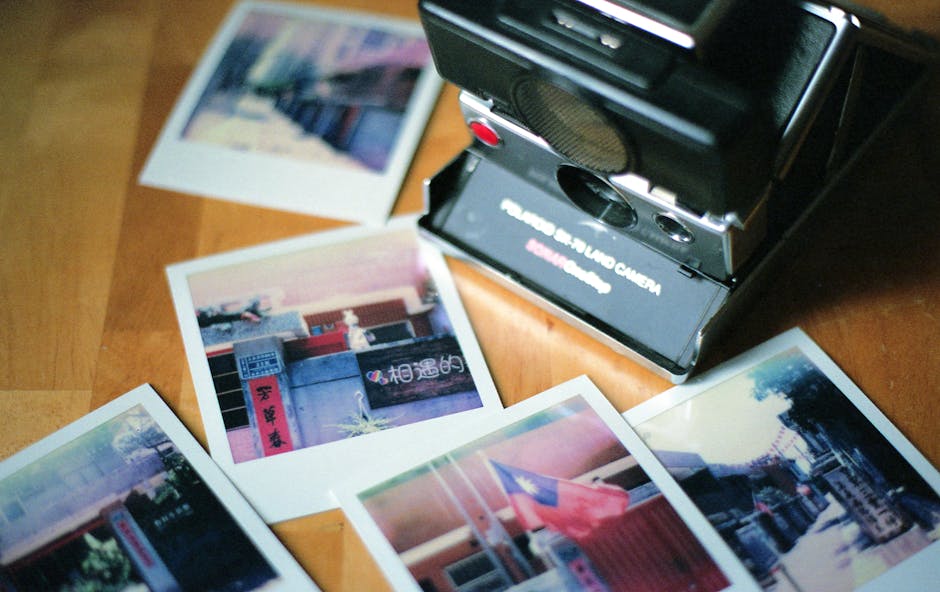
I’m a gear nerd, but Vietnam cured me of that. On my second trip, I tracked my kit weight: exactly 4.2kg including the bag. I had a Sony A7III, a 24-70mm f/2.8, a 70-200mm, and a fast prime. By day three in the humidity of Hue, I wanted to throw the whole bag into the Perfume River. The humidity in central Vietnam is like being hugged by a wet wool blanket that’s been left in a car trunk. It ruins electronics and it ruins your mood.
I’ve since switched to a single Fujifilm X100V. I know people will disagree, and the “pros” will say you need the reach of a zoom, but they’re wrong. I tracked my metadata from my last 3,400 shots in Da Nang and 91% of the keepers were at a 35mm equivalent focal length. Why carry the extra 3.5kg? It’s just vanity. You look like a tourist, you move like a tourist, and people react to you like a tourist. When you have a small camera, you’re just a guy with a hobby. People let their guard down. That’s where the real stuff happens.
I’ve bought the same Fuji 23mm f/2 lens three times now. I sell it, think I need something “better,” then realize nothing else captures the grit of a Hanoi alleyway quite as well. I’m staying loyal this time.
The ethics of the “Old Lady” photo
This is the part where I might get some heat, but I think the way we do street photography in Vietnam is borderline exploitative. We all want that shot of the elderly woman with the deep wrinkles and the betel-nut-stained teeth. But have you ever stopped to think how weird it is? You’re sticking a $2,000 lens in the face of someone making three dollars a day so you can get some likes on Instagram. It feels gross. I refuse to take those shots anymore unless I’ve actually sat down and bought whatever they’re selling first.
Anyway, I was in Sapa in 2019 trying to be “ethical” and ended up in a three-hour conversation with a Hmong grandmother who spoke zero English. We just sat on a low plastic stool and ate sunflower seeds. I didn’t take a single photo of her. I have a photo of the pile of seeds we left behind though. It’s my favorite picture from that trip. It means something to me, even if it’s objectively a bad photo.
Ha Giang is the only place that matters now
If you actually care about travel photography vietnam, get out of the cities. Go north. Rent a bike. The Ha Giang loop is the most visually stunning place I have ever seen, and I’ve been to 40 countries. But here is the reality: you will probably drop your camera. I did.
I was coming around a bend near Meo Vac, tried to one-hand my camera while riding (don’t do this), and hit a patch of loose gravel. I went down. The bike was fine, my knee was a mess, but my lens hood was crushed. I spent the next four days shooting through a cracked filter that created this weird, hazy flare in the corner of every frame. At first, I was devastated. I felt like I’d ruined the trip. But looking back, those photos look more like how Ha Giang feels—raw, dusty, and a little bit broken.
- Don’t bring a drone to the border areas. The military will take it. I watched a guy lose a DJI Mavic 3 near the Chinese border because he thought he was being sneaky.
- Shoot in the rain. Hanoi in the rain is 100x more interesting than Hanoi in the sun. The reflections on the motorbikes are incredible.
- Avoid the midday sun. It’s not just about the light being “harsh”—it’s that everyone is napping. The streets are dead from 12 PM to 2 PM. Go get a coffee.
I tested five different types of “weather-sealed” bags over three rainy seasons in the north. Most of them are marketing fluff. Honestly, a 10-cent plastic trash bag from a VinMart works better than a $200 technical dry bag. Just wrap the body and keep moving. The grit is the point.
The part nobody talks about
Photography is a lonely way to travel. You’re always looking through a viewfinder instead of just being there. I sometimes wonder if I’d remember Vietnam better if I’d left the camera in the hotel safe. Probably not, because I have a terrible memory, but there’s a balance.
Stop trying to find the “undiscovered” spot. It doesn’t exist. Everything has been geotagged. Just find a corner in the Old Quarter, sit on a tiny blue chair, drink a Bia Hoi, and wait for the light to hit the yellow paint of the colonial buildings. That’s it. That’s the whole trick.
I still don’t know if I’m a good photographer or just a guy who likes expensive toys. Does it even matter? If the photo brings back the smell of exhaust and fish sauce, I guess it did its job.
Just please, for the love of god, stop taking photos of the lanterns.