A common misconception is that Rwanda only makes sense for travelers who can spend US$1,500 on a gorilla permit. That price is real for international visitors, but it does not define the country. Kigali, Lake Kivu and Nyungwe Forest create a strong trip on their own, with city history, lake scenery, primate tracking and rainforest walks. This is not legal advice — consult a licensed attorney. No state law is discussed here; travel rules, park permits and prices can change, so verify details with official sources before paying.
How to Build a Rwanda Route Without Rushing
Use this order
- Begin in Kigali. Spend two nights before a long drive. This gives you time to recover from an international flight and visit the Kigali Genocide Memorial with enough attention.
- Travel west to Lake Kivu. Choose Rubavu for easier access from the north or Karongi for a slower, quieter lake stay. Allow at least two nights rather than treating the lake as a lunch stop.
- Continue south toward Nyungwe. The road is scenic but not fast. Plan a full transfer day from Karongi or Rubavu, especially during rain.
- Keep Nyungwe flexible. Forest activities depend on weather, trail conditions and wildlife movement. Two nights is the practical minimum; three gives you a better chance to fit in chimpanzee tracking and the canopy walkway.
- Return through Kigali or fly onward from Kamembe if available. Check schedules before building the final day around a domestic connection.
The seven-night version
A workable seven-night plan is two nights in Kigali, two at Lake Kivu and three near Nyungwe. This is the shortest route I would recommend for travelers who want all three places. Cutting Kigali to one night often turns the memorial visit into a rushed box-ticking exercise. Cutting Nyungwe to one night creates a bigger problem: a delayed road transfer can remove the only morning available for a forest activity.
The ten-night version
Ten nights gives the route breathing room: two nights in Kigali, three at Lake Kivu, three in Nyungwe and two final nights in Kigali or another stop. That extra time matters for travelers who dislike early departures, families with children or anyone traveling during the wetter months. The official tourism itinerary for the Congo Nile Trail describes a 227-kilometre route along Lake Kivu, but most visitors should not try to combine the entire trail with Nyungwe in a short holiday.
Kigali Is the Best Starting Point, Not a Transit Night
My clear recommendation is to spend two nights in Kigali. The city is compact enough for a first look but substantial enough to reward slower travel. A one-night stop can work when a flight arrives early, yet it gives you little margin for traffic, delayed luggage or a memorial visit that takes longer than expected.
What to do with one full day
Start at the Kigali Genocide Memorial, then leave space for the surrounding exhibits and gardens. The visit is not a quick attraction; it gives context for Rwanda’s modern identity and explains why public order, community rebuilding and remembrance matter so much in daily life. Afterward, use a local guide or a trusted driver to connect the visit with older neighborhoods, a food market and a coffee stop. Kigali’s streets are clean and orderly, but the polished center does not represent every part of the city.
Where to sleep and how much to budget
The Kigali Marriott Hotel is a practical premium choice for travelers who want a central base, with sample 2026 planning rates often around US$180–260 per night before taxes. A smaller guesthouse can reduce the room bill to roughly US$45–90. These are planning ranges, not guaranteed quotes. The useful question is location: a cheaper room far from your guide and dinner plans can add transfer time and cost each day.
Food is another reason to stay. Kigali has Rwandan, East African, Indian, Belgian and modern café cooking in a small radius. The strongest first-day plan is simple: arrive, sleep, visit the memorial the next morning, then eat locally. That sequence leaves you informed before the countryside begins.
Lake Kivu or Nyungwe: Which Adds More?
Should you choose Lake Kivu?
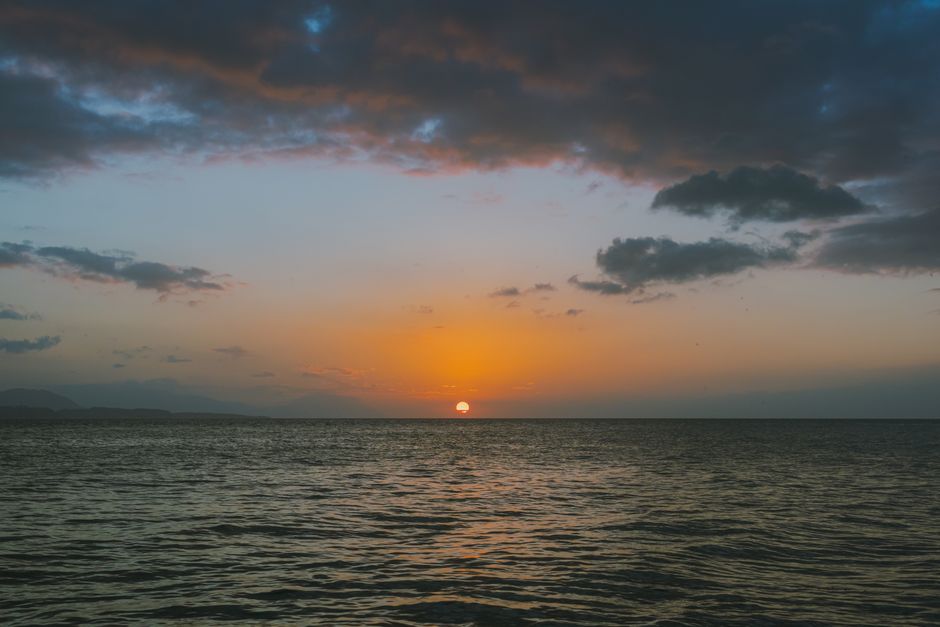
Choose Lake Kivu if you want rest, water and a softer pace between long travel days. Rubavu has a livelier waterfront and sits about an hour from Volcanoes National Park, while Karongi feels more secluded and works better for a quiet lake break. Kayaking and short boat trips are the strongest activities because they show the scale of the lake without demanding a full expedition. Lake Kivu is also the better choice for families or travelers who do not want every day to start before sunrise.
Should you choose Nyungwe?
Choose Nyungwe if wildlife and walking matter more than relaxation. The forest protects thirteen primate species, and the canopy walkway is 160 metres long and 70 metres high. The official international visitor price listed for the walkway is US$40. Chimpanzee tracking requires more stamina and does not guarantee a close sighting, but the forest itself remains the attraction: moss, orchids, steep paths, birds and changing weather create a stronger sense of wilderness than a short lake excursion.
My verdict for a six-night trip
For only six nights, pick Kigali and Nyungwe, then add one night at Lake Kivu only if the road plan is clean. For eight nights or more, include all three. The Lake Kivu Serena Hotel is a useful mid-to-upmarket planning reference at roughly US$120–220 per night, while One&Only Nyungwe House often sits above US$700 per night. Those price gaps show the real tradeoff: Lake Kivu offers more room for a moderate budget, while Nyungwe commands a premium because of its remote setting and guided forest access.
What Can Break a Rwanda Itinerary?
Five mistakes to avoid
- Underestimating road time. Rwanda is small on a map, but mountain roads, rain and stops for viewpoints make the journey slower than a straight-line estimate suggests.
- Booking forest activities too tightly. Do not schedule the canopy walkway immediately before an airport transfer. Wet trails and late starts can create a costly chain reaction.
- Assuming every lake is a swimming beach. Ask your accommodation about the exact shoreline, water conditions and boat safety. A scenic view does not automatically mean a safe swimming area.
- Ignoring altitude and fitness. Nyungwe trails can be steep and muddy. Bring shoes with real grip, a light rain jacket and enough water.
- Using unlicensed operators. The official tourism guidance recommends licensed tour operators and guides for booked experiences. Ask what the price includes: transfers, permits, guide fees, meals and cancellation terms should be clear in writing.
When not to add Nyungwe
Do not add Nyungwe to a four-night trip unless you accept that most of the holiday will involve transfers. The forest deserves at least two nights, and the drive from Kigali or Lake Kivu can consume much of a day. Travelers with very limited time should choose Kigali plus Lake Kivu, or Kigali plus one northern park, instead. A shorter route with two proper experiences is better than three places seen through car windows.
What to verify before paying
Confirm passport requirements, visa terms, park fees, road transfers, hotel check-in times and the refund policy. Prices shown online may exclude taxes or guided transport. Keep a second plan for rain: Kigali museums and food tours can replace a washed-out outdoor morning, but they cannot repair a missed flight caused by an overpacked route.
The Clear Verdict for a First Rwanda Trip
Choose the route that matches the real goal
For a first-time traveler who wants Rwanda beyond gorillas, my pick is two nights in Kigali, two nights at Lake Kivu and three nights in Nyungwe. Kigali supplies the history and food; Lake Kivu gives the trip a pause; Nyungwe delivers the rare wildlife experience. That seven-night structure costs less than a gorilla-focused itinerary while offering more variety and fewer pressure points.
The final decision
Choose Lake Kivu over Nyungwe when rest, water and easy days matter most. Choose Nyungwe over Lake Kivu when forest wildlife is the reason you came. Choose both when you have at least seven nights and can afford private road transfers. The most defensible 2026 plan is to reserve permits and key accommodation first, then fit meals and optional activities around the fixed route. Rwanda is not merely a place to pass through on the way to gorillas; the misconception falls apart once Kigali’s history, Kivu’s open horizon and Nyungwe’s forest are treated as the main journey.