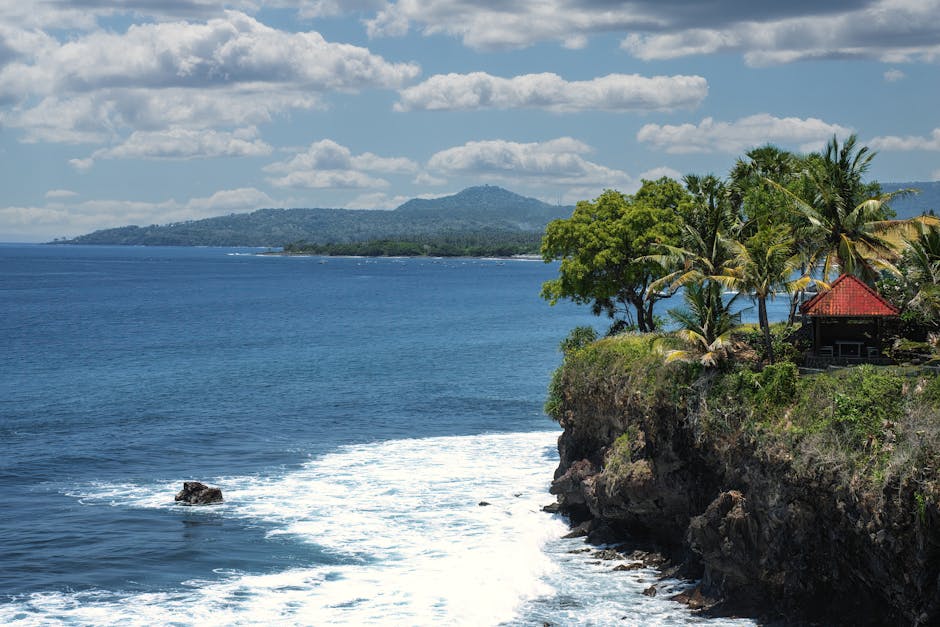
The average first-time visitor to Bali spends nearly three times what a returning backpacker spends — on the exact same island.
Here is what that looks like on arrival. You land at Ngurah Rai International Airport at 10pm. Three drivers immediately quote you 350,000–450,000 IDR (about $22–28) for the ride to your guesthouse. You are jet-lagged. The number sounds reasonable in dollars. You pay it.
That ride should have cost 80,000 IDR on Grab.
That single moment captures the entire Bali backpacker problem: not that Bali is expensive, but that the gap between tourist prices and actual prices is enormous, and nobody hands you the map on arrival. This is the map.
What Everything Actually Costs in Bali: Real Numbers
Most Bali budget guides give ranges so wide they are useless. Below are what you will actually spend across the main spending categories in 2026, split into genuine budget and mid-range options.
| Category | Budget Option | Mid-Range Option | Notes |
|---|---|---|---|
| Accommodation | $5–10 (dorm bed) | $18–35 (private room) | Canggu runs 20–30% higher than Ubud |
| Meals | $1.50–3 (warung) | $6–12 (tourist cafe) | Eating local saves 60–70% per meal |
| Scooter rental | $5–8/day (local shop) | $10–15/day (tourist agency) | Same bike, double the price through hotels |
| Grab or Gojek rides | $1–4 per trip | — | Download before landing — non-negotiable |
| Temple entry fees | $1–3 each | — | Sarong required; usually provided on-site free |
| Nusa Penida visit | $25–35 (speedboat day trip) | $60–90 (2 nights, public ferry) | Overnight via ferry is better value and experience |
| Daily total | $28–38 | $55–85 | Drinking and tours shift this significantly |
Why Your Accommodation Location Changes Your Daily Spend
Location drives cost more than any other variable in Bali. Kuta is the worst value of any major tourist zone — highest prices relative to quality, mediocre beach, lowest food quality per dollar. Ubud gives you the best overall value: cheaper beds, the cheapest food of any tourist area, and the most free or low-cost activities per square kilometer on the island.
For actual beds: Tribal Bali in Canggu has dorms from $12 with a genuine backpacker community and a strong common area. Puri Garden Hotel and Hostel in Ubud offers private rooms with a pool from $22 — exceptionally hard to beat at that price. For a coastal base without Kuta’s chaos, Pinky’s Hostel in Seminyak puts you five minutes from Batu Belig Beach at $13–18 per dorm bed.
Cash vs. Card: How the ATM System Actually Works
Bali runs on cash. Most warungs, local markets, and smaller guesthouses do not accept cards at all.
Best ATMs are BNI and BCA — both allow withdrawals up to 4–6 million IDR per transaction and charge a flat 25,000–35,000 IDR fee (roughly $1.50–2). Avoid the standalone white ATMs outside convenience stores: higher fees, lower withdrawal limits, and occasional skimming reports in tourist areas.
Authorized money changers in Seminyak and Ubud — look for the Bank Indonesia license displayed in the window — give 15–25% better rates than the airport. Change at the airport only when you need immediate cash for transport. Never change at street-level changers offering suspiciously good rates; they count notes back short.
The Four Areas Worth Basing Yourself In
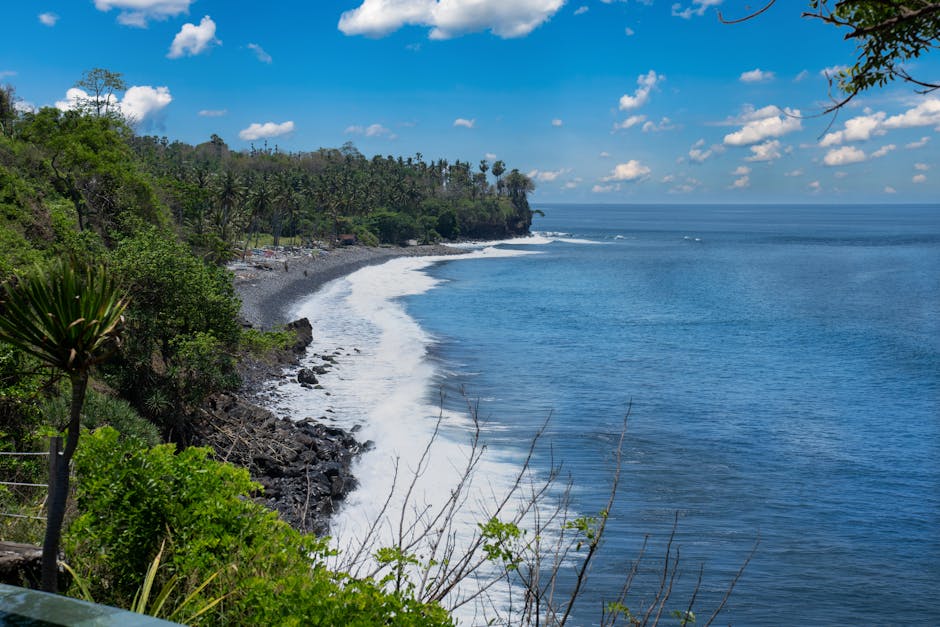
Bali is marketed as one destination. It is actually four or five micro-worlds with different vibes, price points, and practical trade-offs. Picking the wrong base costs you two or three days of unnecessary logistics moving around.
Ubud: Budget, Culture, and the Cheapest Food on the Island
Ubud wins on food cost above everything else. A full nasi goreng with egg at a local warung costs 18,000–25,000 IDR — about $1.10–1.50. That same dish at a Canggu cafe with mood lighting and a Spotify playlist runs $6–8. Same ingredients. Entirely different bill.
The activity list is long and cheap: Tegalalang Rice Terraces (200,000 IDR entry; arrive before 7:30am to beat tour groups), Sacred Monkey Forest Sanctuary (80,000 IDR — do not feed the monkeys, they will steal your sunglasses), and the free Ubud Palace grounds most evenings. The surrounding village of Penestanan has zero tourists and outstanding local warungs serving babi guling for under $2 a plate.
The weakness is straightforward: it is inland. No beach access without a 1.5-hour scooter ride south.
Canggu: Surf, Community, and a Price Warning
Canggu has absorbed most of the backpacker crowd that Kuta used to hold — better beaches, better coffee, and a far more tolerable vibe. Batu Bolong Beach has consistent beginner-friendly waves. Board rentals run $8–12/day; two-hour group surf lessons with local instructors are $20–30. Old Man’s bar functions as the community hub — happy hour runs 3–7pm and the crowd is almost entirely independent travelers.
Price warning: Canggu has inflated hard over four years. Dorm beds that were $8 in 2026 now run $12–16. If you are watching every dollar, base yourself in Ubud and make Canggu a day trip rather than a base.
Nusa Penida: Why Overnight Beats the Day Trip Every Time
Nusa Penida is Bali’s most photographed island right now — Kelingking Beach, Angel’s Billabong, Broken Beach. The problem is the day-trip industry that funnels 200 people to the same three viewpoints between 9am and 3pm.
The better move is the slow public ferry from Padang Bai (40,000 IDR each way, 1.5 hours) and two nights on the island. Budget guesthouses run $12–25/night. You reach Kelingking at 6am when it is essentially empty. The people doing the speedboat day trip from Sanur ($25–35 round trip) are getting the Instagram shot in a crowd. You are getting the actual place.
Amed and Tulamben: Quiet, Cheap, and Underwater
These northeast villages offer a completely different Bali from the south. Tulamben holds the USAT Liberty — a 120-meter WWII US Army cargo ship sitting at 5–29m depth, accessible directly from the beach. Two dives with full rental gear cost $45–55 with local operators. Private rooms with breakfast run $15–25/night. The villages go quiet by 9pm, which is either a feature or a bug depending on what you are looking for.
Getting Around Without Overpaying: Five Steps That Work
- Download Grab and Gojek before you land. Both apps show you the real fare before you confirm a booking. A ride a taxi driver quotes at 150,000 IDR typically costs 35,000–50,000 IDR on Grab. Grab handles cars better; Gojek gets you a scooter taxi faster in heavy traffic where cars cannot navigate side streets.
- Use the DAMRI bus from the airport. The official airport bus runs fixed routes to Kuta (10,000 IDR), Seminyak, and Nusa Dua. The counter sits in arrivals. Total cost: roughly $0.60. It takes 20–30 minutes longer than a taxi. Worth it every single time unless you are connecting to a boat that departs in an hour.
- Rent a scooter for any stay over three days. Local shops charge 60,000–80,000 IDR/day or 700,000–900,000 IDR/month. Honda Beat for city traffic; Yamaha NMax for longer highway stretches to Ubud or the north coast. Always photograph every existing scratch before riding away. Never hand over your actual passport as a deposit — offer a photocopy of the ID page instead. Some shops use the passport-hostage tactic to overcharge for damage you did not cause.
- Use Perama Tours shuttles for cross-island travel. Perama runs shared tourist shuttles between all major hubs: Kuta to Ubud (60,000 IDR), Ubud to Amed (100,000 IDR), Amed to Lovina (130,000 IDR). Slow, but cheap and door-to-door. Book the day before at any tour agent or directly through the Perama Tours website.
- Exit Ngurah Rai correctly. Walk past every person approaching you in the arrivals hall. Exit through the main doors. Open Grab while standing outside and book from the road — drivers meet you 50 meters from the terminal entrance because they are not permitted in the official taxi queue. This one habit saves $15–20 on the first day alone.
Four Traps That Blow Most Bali Budgets
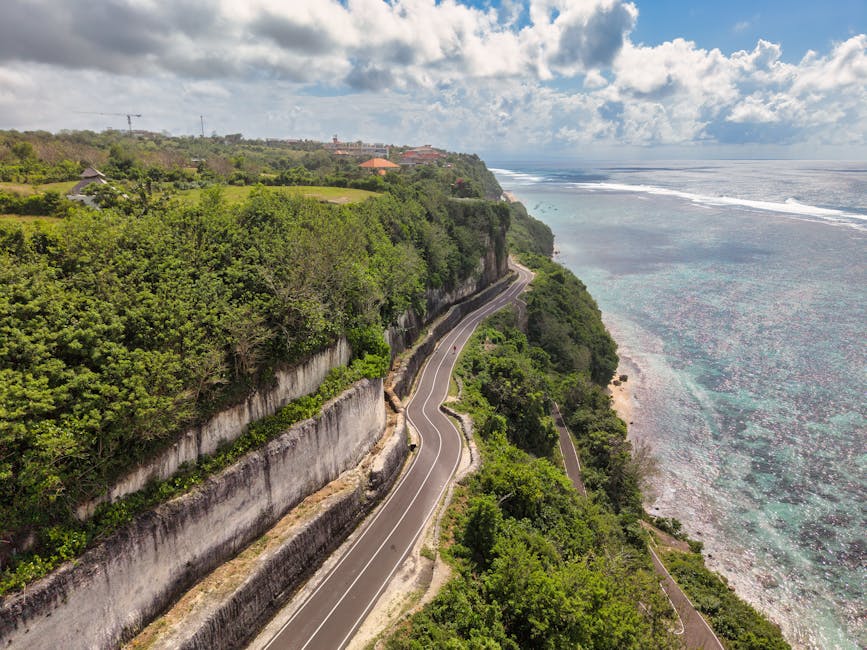
Staying in Kuta is the single biggest financial mistake a first-time Bali backpacker makes. It is consistently the worst value in the south — higher base accommodation prices than Canggu or Ubud, the lowest food quality of any major tourist zone, and a beach that is visibly worse than Seminyak (10 minutes north) or Echo Beach in Canggu (30 minutes north). Kuta’s status as the default backpacker base is a relic of the 1980s. That reality no longer exists.
Tour packages sold at hostel and hotel desks carry a 200–400% markup over the actual cost. A Mount Batur sunrise trek sold through a Canggu hostel desk runs $55–70 per person. The same trek booked directly with operators based in Kintamani village — or via WhatsApp with local guide networks like Bali Trekking Association — costs $18–30. Identical route, identical guide quality. The difference is entirely commission layers.
Currency exchange at the airport burns 15–25% of your money compared to in-town rates. If you need immediate cash, use the BCA ATM in the arrivals hall — it applies the bank rate with a flat fee. Exchange the rest the following day at an authorized money changer in Seminyak or Ubud.
Eating every meal on the main tourist strip is the quiet budget killer most people do not notice until they add it up at the end of the trip. Jalan Raya Ubud and Batu Bolong Road in Canggu are lined with $8–15 plates that are marginally better — if that — than the $2 equivalent available 100 meters off the main road. The test is simple: if the menu has photos and faces the street in English, you are paying for location. Walk one block perpendicular to the main road. Find the warung with scooters parked outside and no sign in your language. That is your food budget sorted for the day.
A Two-Week Bali Route That Holds Together

Should You Start South or Go Directly to Ubud?
Start south. Not because Canggu is better than Ubud — for most people it is not. Start south because arriving in Ubud while jet-lagged and without a scooter or IDR cash means wasting your best cultural days on logistics. Two to three nights in Canggu to adjust, sort your scooter rental, and exchange money. Then move inland where the real value is.
How Many Days Does Nusa Penida Actually Need?
Two nights minimum. One if you are truly short on time. The day-trip crowd sees Kelingking, Angel’s Billabong, and Broken Beach in six hours surrounded by other day-trippers. Arriving the evening before on the public ferry means you see those same places at dawn with almost no one present. Two nights is the difference between a photo and an experience.
| Days | Location | Primary Focus |
|---|---|---|
| 1–3 | Canggu | Arrive, surf lessons, sort scooter rental and cash |
| 4–7 | Ubud | Rice terraces, temples, warung food, day trips to surrounding villages |
| 8–9 | Nusa Penida | Overnight via Padang Bai public ferry, dawn cliff access |
| 10–11 | Amed / Tulamben | USAT Liberty wreck diving, quiet beach reset |
| 12–13 | Lovina | North coast, sunrise dolphin jukung boat, Munduk drive through coffee plantations |
| 14 | Return south | One overnight in Canggu before Ngurah Rai departure |
That airport taxi driver from arrival day is still at the Ngurah Rai arrivals hall right now, holding a laminated sign and quoting 400,000 IDR. The backpacker beside you pays it. You open Grab, walk outside, and your $4 ride confirms in three minutes. Same destination, same traffic — roughly $1,400 difference across the full two weeks, depending on how many times you let the knowledge gap cost you before you closed it.